#1
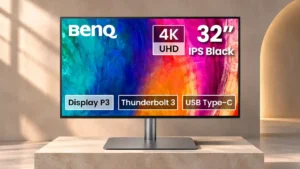
Overall: 4.4/5
Accurate color, numerous profiles, and a large canvas make the screen particularly capable for digital graphic design. Print color specialists should verify Adobe RGB requirements.
Pros: color accuracy, stand adjustability
Cons: built-in speakers, Desk footprint
#2
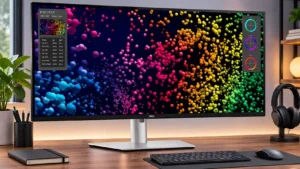
Overall: 4.4/5
The broad, dense canvas gives designers extra room for tools and large projects without surrendering the main artwork area.
Pros: overall picture quality, color accuracy
Cons: value for money, built-in speakers
#3
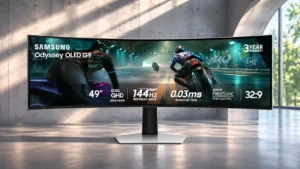
Overall: 3.7/5
The large, color-rich workspace is attractive for design projects that need several panels or tools open at once.
Pros: value for money, black levels
Cons: refresh rate, portability and weight
#4
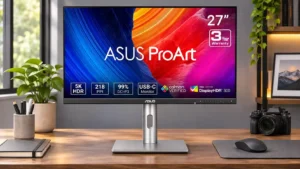
Overall: 4.1/5
Fine lines, dense interface elements and extensive color settings make it an excellent tool for layout and graphics work.
Pros: color accuracy, overall picture quality
Cons: HDR performance, refresh rate
#5
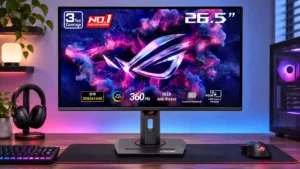
Overall: 4.4/5
Rich colors, a broad gamut and helpful sRGB settings make this a capable design display, especially when its color controls are tuned for the project.
Pros: color gamut, overall satisfaction
Cons: reflection handling, VRR flicker
#6
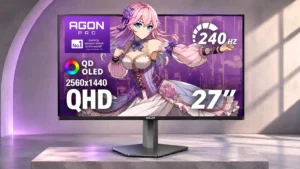
Overall: 4.0/5
The accurate SDR mode supports basic graphics work, though precise color workflows may still benefit from custom calibration.
Pros: value for money, overall satisfaction
Cons: HDR performance, HDMI 2.1 support
#7
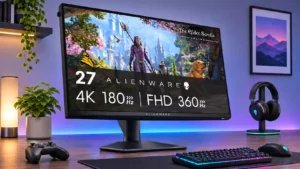
Overall: 3.9/5
The sharp panel and accurate sRGB mode suit many graphic-design tasks, though its contrast and uniformity fall short of specialist displays.
Pros: Resolution, refresh rate
Cons: HDR performance, contrast
