
Monstie genes, freely rearrangeable builds, equipment upgrades, decorations, and habitat bonuses make experimentation unusually flexible and rewarding.
Pros: combat system, narrative quality
Cons: difficulty balance, grind level

Monstie genes, freely rearrangeable builds, equipment upgrades, decorations, and habitat bonuses make experimentation unusually flexible and rewarding.
Pros: combat system, narrative quality
Cons: difficulty balance, grind level
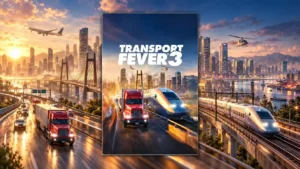
Vehicle and infrastructure upgrades are a standout convenience, reducing destructive rebuilding and making fleet replacement much less tedious.
Pros: user interface design, gameplay mechanics
Cons: learning curve, tutorial quality
Weapon upgrades and Materia builds encourage experimentation and weakness-based planning.
Pros: combat system, graphics quality
Cons: pacing, accessibility options
Persistent gear upgrades are satisfying because improving an item can strengthen future versions of that gear and make later runs feel more rewarding.
Pros: value for money, combat system
Cons: camera behavior, content variety

Gear upgrades are satisfying because they visibly and statistically strengthen the party, adding another useful layer to equipment customization.
Pros: narrative quality, side character depth
Cons: combat system, polish
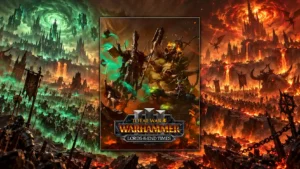
The Black Pyramid offers a huge range of useful upgrades and synergies, giving Nagash unusually flexible long-term development.
Pros: gameplay mechanics, fun factor
Cons: AI behavior, polish
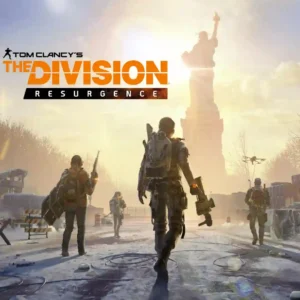
Quick equip and item leveling make upgrades convenient, useful, and capable of keeping favorite gear relevant.
Pros: content variety, controls responsiveness
Cons: narrative quality, menu usability

Equipment upgrades feel tangible, making formerly dangerous areas noticeably easier while keeping weapon choices varied across biome tiers.
Pros: town-building system, exploration quality
Cons: grind level, fast travel convenience
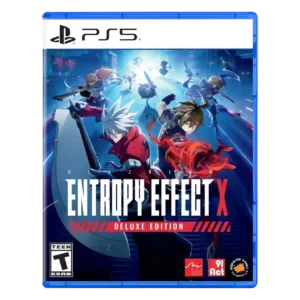
The upgrade system is a major strength, with Potentials, tactics, elements, inheritance, and build crafting repeatedly praised.
Pros: combat system, character roster
Cons: narrative quality, learning curve
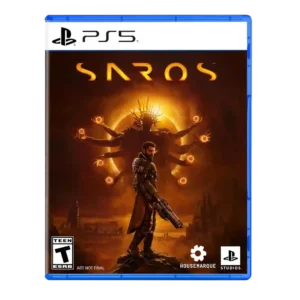
The upgrade system was praised for making attempts feel worthwhile and improving approachability.
Pros: narrative quality, combat system
Cons: side character depth, dialogue quality

Weapon Fusion is one of the best new systems, letting players carry preferred bonuses forward and giving drops lasting value, though one critic finds it basic.
Pros: remake/remaster quality, graphics quality
Cons: difficulty balance, voice acting

Branching Evolutions, flexible player upgrades, and build choices give Ultimate Team and Clubs players more control over development. Reviewers generally welcome the added flexibility even when the surrounding progression remains...
Pros: gameplay mechanics, progression system
Cons: open-world design, AI behavior
Blacksmith improvements and reusable enchantment books make experimentation easier and help favorite weapons stay viable, although some upgrades become expensive or restrictive.
Pros: open-world design, graphics quality
Cons: narrative quality, endgame content

Respecs, material returns, and inheritance changes make upgrading creatures less punishing and encourage experimentation instead of locking players into early choices.
Pros: fun factor, gameplay mechanics
Cons: monetization fairness, menu usability
Upgrading districts and bus stops produces visible and gameplay changes, making progression feel tangible rather than purely numerical.
Pros: open-world design, fun factor
Cons: AI behavior, polish

The upgrade system had one strong supporting review that described the RPG elements behind skill growth as simple but satisfying.
Pros: narrative quality, voice acting
Cons: bug frequency, menu usability

The expansion’s additional upgrade paths are viewed positively, adding fresh ways to strengthen characters and experiment with builds.
Pros: performance optimization, frame rate stability
Cons: controller ergonomics, platform-specific feature support

Be a Pro's newer traits feel more meaningful because their bonuses connect to specific in-game situations rather than only overall ratings.
Pros: atmosphere, gameplay mechanics
Cons: AI behavior, commentary quality

The upgrade system earned strong praise for a meaningfully improved Craft upgrading system.
Pros: narrative quality, combat system
Cons: onboarding experience, pacing

Expanded Orbment slots and stronger Quartz give the sequel more room for build experimentation, making upgrades feel meaningful without abandoning the original system’s structure.
Pros: combat system, narrative quality
Cons: pacing, onboarding experience
Synergies between parts, boosts, defenses, and racer styles make building a vehicle unusually absorbing. Losing favored upgrades can sting, but the available combinations regularly inspire new ways to race.
Pros: fun factor, overall quality
Cons: difficulty balance, pacing

Reviewers respond very positively to the upgrade system, describing it as a notable strength of the overall experience.
Pros: narrative quality, fun factor
Cons: grind level, learning curve

New skills, equipment, and upgraded Bloom Arts appear capable of changing how encounters are handled. The system looks flexible and rewarding, but long-term upgrade balance is still unknown.
Pros: combat system, companion AI
Abilities upgrade at a steady pace and usually add meaningful power without burying the player in menus. A few powers or later upgrades feel less useful than others.
Pros: fun factor, core gameplay loop
Cons: difficulty balance, narrative quality

The trinket system is generally well liked for supporting different builds and making exploration rewarding, though some reviewers think individual trinkets or early buffs feel less impactful than they could.
Pros: difficulty balance, boss design
Cons: innovation, sandbox freedom
Truck improvements can make a tangible difference to grip, braking, cargo security, and route access. The breadth of useful upgrades is a strength, although one reviewer felt they became affordable...
Pros: core gameplay loop, overall quality
Cons: map and navigation design, driving mechanics

Upgrades are easy to understand and usually feel tangible, keeping character growth noticeable without turning progression into a complicated subsystem.
Pros: combat system, fun factor
Cons: difficulty balance, pacing

Upgrade systems are praised for Jackdaw alternate-fire options, new ship upgrades, and more tactical flexibility.
Pros: graphics quality, remake/remaster quality
Cons: DLC value, multiplayer design

Weapon conversions and mementos can improve carrying space or support different combat approaches. Some bonuses feel substantial; others are too subtle to justify the search on practical value alone.
Pros: overall quality, atmosphere
Cons: boss design, movement feel

The revised upgrade structure is more streamlined and convenient than before, although simplification reduces some of the depth found in other entries.
Pros: fun factor, combat system
Cons: pacing, battle mode quality
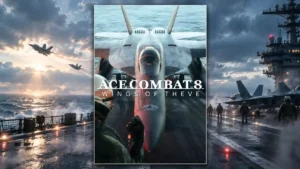
Aircraft parts and weapon upgrades meaningfully change capability without turning the game into a full simulation or build-crafting RPG.
Pros: narrative quality, fun factor
Cons: dialogue quality, difficulty balance

Weapon upgrades are simple, visually satisfying, and useful for unlocking alternate fire modes. The system works well but offers less depth than players seeking elaborate builds may expect.
Pros: fun factor, art direction
Cons: weapon balance, gameplay mechanics

Weapon and inventory upgrades provide useful improvements and can ease survival pressure. Some increases in firepower feel less pronounced than expected.
Pros: faithfulness to franchise, narrative quality
Cons: combat system, boss design
Higher-rarity weapons can become noticeably more interesting and better to control, giving later rounds a stronger sense of escalation.
Pros: fun factor, combat system
Cons: originality, battle mode quality
Upgrade systems are useful and rewarding, though one reviewer disliked that the full weapon suite waits until New Game Plus.
Pros: combat system, emotional impact
Cons: map and navigation design, platforming precision
Upgrade systems were viewed positively, especially weapon customization and EX mod transfer, though evidence is still preview-limited.
Pros: combat system, companion AI
Cons: open-world design, movement feel

The upgrade and medallion systems often added build variety, but some reviewers felt individual upgrades were basic or underwhelming.
Pros: combat system, movement feel
Cons: narrative quality, difficulty balance

Upgrades usually feel consequential, especially reload speed, health, damage, and Bastard improvements. Resource limits and late grinding keep a few reviewers from enjoying the system as much.
Pros: fun factor, originality
Cons: combat system, narrative quality
Upgrade materials are plentiful enough to support weapon experimentation, and strengthening gear can meaningfully change difficulty. Some reviewers still dislike the resource competition or how quickly upgrades trivialize content.
Pros: fun factor, narrative quality
Cons: boss design, exploration quality

Upgrade and customization systems are useful and sometimes deep, but several reviewers note familiar options, criticism around customization limits, or overwhelming tuning.
Pros: graphics quality, driving mechanics
Cons: world interactivity, AI behavior

Upgrades can improve reloads, capacity, zoom and earnings, but reviewers disagree on their importance; some find them useful while others see little gameplay impact.
Pros: fun factor, art direction
Cons: difficulty balance, hint system

Upgrades can feel rewarding when they meaningfully strengthen abilities or legendary gear, but requiring specific manuals alongside skill points adds friction for some players.
Pros: combat system, fun factor
Cons: content variety, polish

Dual Badges add useful build flexibility by combining two abilities, creating new movement and difficulty options. Some writers think they are overpowered, make base badges redundant, or are not explored...
Pros: fun factor, multiplayer design
Cons: matchmaking quality, map and navigation design
Weapon and suit upgrades can make exploration feel valuable and materially change survival odds, but some sources find suit customization shallow and the upgraded pistol too dominant.
Pros: atmosphere, exploration quality
Cons: map and navigation design, bug frequency

New equipment, recipes, and restaurant capacity offer tangible reasons to reinvest. Players less impressed by the customization options lose motivation to chase further upgrades.
Pros: overall quality, shopkeeping system
Cons: performance optimization, pacing
Weapon mods and tactical gear add meaningful customization without radically changing the core combat. The system is fun to tinker with, although the hunt for upgrade cases can become busywork.
Pros: combat system, graphics quality
Cons: exploration quality, mission design

Takeover changes, badges, player XP, and card upgrades create meaningful build choices, but some upgrade paths remain entangled with VC spending.
Pros: gameplay mechanics, fun factor
Cons: microtransaction impact, animation quality
The upgrade and modifier structure supports flexible builds, but some decisions are deliberately harsh, including health or interface tradeoffs. Strong movement and utility upgrades can feel excellent even when the...
Pros: movement feel, originality
Cons: difficulty balance, combat system
Upgrades are mixed: combat skills and some equipment boosts feel meaningful, while incremental stat gains and material requirements can feel dull, imperceptible, or grindy.
Pros: combat system, fun factor
Cons: pacing, open-world design
Temple offerings, weapon parts, godly boons, and mobility upgrades give the game substantial progression depth, but many reviewers still find individual upgrades too minor or easy to ignore.
Pros: boss design, exploration quality
Cons: combat system, narrative quality