Best for upgrade system
Monster Hunter Stories 3: Twisted Reflection
5.0 attribute score
Highest scored product for this attribute based on supporting review evidence.

Highest scored product for this attribute based on supporting review evidence.
Balances the attribute score, supporting reviews, and overall product strength.
Has the broadest review evidence for this attribute.
Strongest overall product among items with scored evidence for this attribute.

Monstie genes, freely rearrangeable builds, equipment upgrades, decorations, and habitat bonuses make experimentation unusually flexible and rewarding.
Pros: combat system, narrative quality
Cons: difficulty balance, grind level
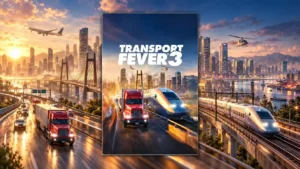
Vehicle and infrastructure upgrades are a standout convenience, reducing destructive rebuilding and making fleet replacement much less tedious.
Pros: user interface design, gameplay mechanics
Cons: learning curve, tutorial quality
Weapon upgrades and Materia builds encourage experimentation and weakness-based planning.
Pros: combat system, graphics quality
Cons: pacing, accessibility options
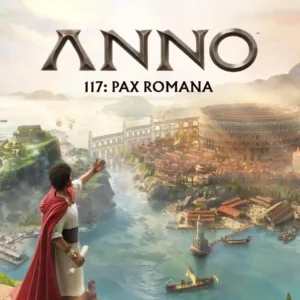
Fast relocation, upgrading, and neighborhood redesign make it painless to correct early layout mistakes as the city evolves.
Pros: fun factor, graphics quality
Cons: learning curve, bug frequency
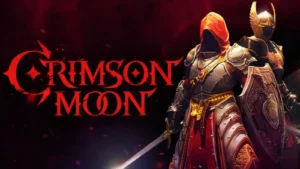
Persistent gear upgrades are satisfying because improving an item can strengthen future versions of that gear and make later runs feel more rewarding.
Pros: value for money, combat system
Cons: camera behavior, content variety

Upgrades and passive abilities meaningfully shape dispatch strategy, letting players specialize heroes and improve team synergy as the season progresses.
Pros: choice impact, narrative quality
Cons: gameplay mechanics, QTE design

Gear upgrades are satisfying because they visibly and statistically strengthen the party, adding another useful layer to equipment customization.
Pros: narrative quality, side character depth
Cons: combat system, polish
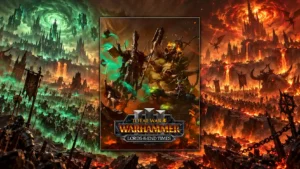
The Black Pyramid offers a huge range of useful upgrades and synergies, giving Nagash unusually flexible long-term development.
Pros: gameplay mechanics, fun factor
Cons: AI behavior, polish

Upgrades are straightforward and rewarding, letting players improve stats and unlock useful or spectacular combat abilities. The system supports steady growth without requiring a rigid unlock path.
Pros: narrative quality, combat system
Cons: onboarding experience, difficulty balance

The upgrade system is strongly praised for deep tuning, auto-upgrade convenience, stat changes, and broad customization freedom.
Pros: graphics quality, accessibility options
Cons: AI behavior, difficulty balance

Upgrade systems are praised for breadth and power growth, especially arcana and meta progression, with reviewers emphasizing flexibility.
Pros: combat system, progression system
Cons: originality
Quick equip and item leveling make upgrades convenient, useful, and capable of keeping favorite gear relevant.
Pros: content variety, controls responsiveness
Cons: narrative quality, menu usability

Equipment upgrades feel tangible, making formerly dangerous areas noticeably easier while keeping weapon choices varied across biome tiers.
Pros: town-building system, exploration quality
Cons: grind level, fast travel convenience
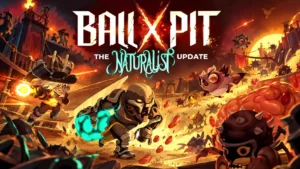
Fusing and evolving balls creates meaningful power jumps while freeing slots for new options. The breadth is a major strength, tempered by random drops, quickly maxed abilities, and uneven passive...
Pros: fun factor, upgrade system
Cons: user interface design, grind level
The upgrade system is a major strength, with Potentials, tactics, elements, inheritance, and build crafting repeatedly praised.
Pros: combat system, character roster
Cons: narrative quality, learning curve
The upgrade system was praised for making attempts feel worthwhile and improving approachability.
Pros: narrative quality, combat system
Cons: side character depth, dialogue quality

The revised perk and upgrade system was praised for offering meaningful upside-focused choices rather than weak side-grades.
Pros: combat system, narrative quality
Cons: save system reliability, learning curve

Weapon Fusion is one of the best new systems, letting players carry preferred bonuses forward and giving drops lasting value, though one critic finds it basic.
Pros: remake/remaster quality, graphics quality
Cons: difficulty balance, voice acting

Branching Evolutions, flexible player upgrades, and build choices give Ultimate Team and Clubs players more control over development. Reviewers generally welcome the added flexibility even when the surrounding progression remains...
Pros: gameplay mechanics, progression system
Cons: open-world design, AI behavior
Blacksmith improvements and reusable enchantment books make experimentation easier and help favorite weapons stay viable, although some upgrades become expensive or restrictive.
Pros: open-world design, graphics quality
Cons: narrative quality, endgame content

The upgrade system is praised for meaningful amulets, combat additions, and flexible build choices that alter playstyle.
Pros: combat system, faithfulness to franchise
Cons: narrative quality, frame rate stability

Upgrade systems are praised for flexible perks and incentives that help tailor traversal, stealth, and combat approaches.
Pros: narrative quality, combat system
Cons: difficulty balance, weapon balance

Upgrades are praised for being tied to exploration, weapons, armor, charms, and mastery activities rather than pure XP grinding.
Pros: combat system, narrative quality
Cons: grind level, innovation

Respecs, material returns, and inheritance changes make upgrading creatures less punishing and encourage experimentation instead of locking players into early choices.
Pros: fun factor, gameplay mechanics
Cons: monetization fairness, menu usability

Upgrade systems were praised when ability unlocks felt impactful, while costume boosts were seen as more situational.
Pros: fun factor, world interactivity
Cons: frame rate stability, boss design
Upgrading districts and bus stops produces visible and gameplay changes, making progression feel tangible rather than purely numerical.
Pros: open-world design, fun factor
Cons: AI behavior, polish

The upgrade system had one strong supporting review that described the RPG elements behind skill growth as simple but satisfying.
Pros: narrative quality, voice acting
Cons: bug frequency, menu usability

The expansion’s additional upgrade paths are viewed positively, adding fresh ways to strengthen characters and experiment with builds.
Pros: performance optimization, frame rate stability
Cons: controller ergonomics, platform-specific feature support

Be a Pro's newer traits feel more meaningful because their bonuses connect to specific in-game situations rather than only overall ratings.
Pros: atmosphere, gameplay mechanics
Cons: AI behavior, commentary quality

Raising a personally caught team still feels rewarding, especially when training pays off in visible level growth and evolution.
Pros: fun factor, faithfulness to franchise
Cons: remake/remaster quality, value for money

The upgrade system earned strong praise for a meaningfully improved Craft upgrading system.
Pros: narrative quality, combat system
Cons: onboarding experience, pacing

Expanded Orbment slots and stronger Quartz give the sequel more room for build experimentation, making upgrades feel meaningful without abandoning the original system’s structure.
Pros: combat system, narrative quality
Cons: pacing, onboarding experience
Synergies between parts, boosts, defenses, and racer styles make building a vehicle unusually absorbing. Losing favored upgrades can sting, but the available combinations regularly inspire new ways to race.
Pros: fun factor, overall quality
Cons: difficulty balance, pacing

Reviewers respond very positively to the upgrade system, describing it as a notable strength of the overall experience.
Pros: narrative quality, fun factor
Cons: grind level, learning curve

New skills, equipment, and upgraded Bloom Arts appear capable of changing how encounters are handled. The system looks flexible and rewarding, but long-term upgrade balance is still unknown.
Pros: combat system, companion AI
Abilities upgrade at a steady pace and usually add meaningful power without burying the player in menus. A few powers or later upgrades feel less useful than others.
Pros: fun factor, core gameplay loop
Cons: difficulty balance, narrative quality

Upgrade systems were viewed positively for making gear and Orbment improvements easier and more convenient.
Pros: remake/remaster quality, combat system
Cons: content variety

The trinket system is generally well liked for supporting different builds and making exploration rewarding, though some reviewers think individual trinkets or early buffs feel less impactful than they could.
Pros: difficulty balance, boss design
Cons: innovation, sandbox freedom

Workbench attachments meaningfully tune damage, noise, handling, and scopes, letting weapons suit different approaches. Missed benches and late unlocks can delay access to the desired setup.
Pros: overall quality, level design
Cons: innovation, mission design
Upgrades are generally praised, especially the Forge, weapon improvement, and approachable base-linked progression.
Pros: stealth mechanics, graphics quality
Cons: narrative quality, mission variety

Crests, tools, and upgrades are widely seen as flexible and creative, though a few reviews found early limitations or resource-linked tool use frustrating.
Pros: difficulty balance, art direction
Cons: economy and resource balance, checkpoint system

Upgrades are easy to understand and usually feel tangible, keeping character growth noticeable without turning progression into a complicated subsystem.
Pros: combat system, fun factor
Cons: difficulty balance, pacing

Upgrade systems receive positive evidence for direct SDU upgrades and inventory-capacity improvements tied to collectibles.
Pros: movement feel, loot system
Cons: performance optimization, narrative quality

Upgrade systems are praised for Jackdaw alternate-fire options, new ship upgrades, and more tactical flexibility.
Pros: graphics quality, remake/remaster quality
Cons: DLC value, multiplayer design

The character upgrade system is viewed as more nuanced and strategic than Remake's approach.
Pros: combat system, content variety
Cons: pacing, movement feel
Charms, attack conduits, and gear enhancements can make combat more engaging and support different builds. Equipment explanations and reliance on specific friendships occasionally complicate upgrades.
Pros: puzzle design, social features
Cons: enemy variety, polish
Upgrades were generally praised as meaningful because scarce cores, suit boosts, and weapon improvements forced real tradeoffs.
Pros: combat system, narrative quality
Cons: boss design, puzzle design

New pistols, katanas, grenades, and special weapons meaningfully alter the loadout, and reviewers generally like how affordable and distinct many upgrades feel.
Pros: combat system, voice acting
Cons: pacing, boss design

weapon upgrades and attachments were praised for making weapons improve and change meaningfully.
Pros: multiplayer design, sound design
Cons: narrative quality, map and navigation design
Weapon upgrading was described as a useful part of the broader equipment loop.
Pros: narrative quality, combat system
Cons: map and navigation design, menu usability