If you want better originality
Choose Tales of Xillia Remastered. It scores 5.0 vs 2.1 for originality, with a 3.9 overall score.

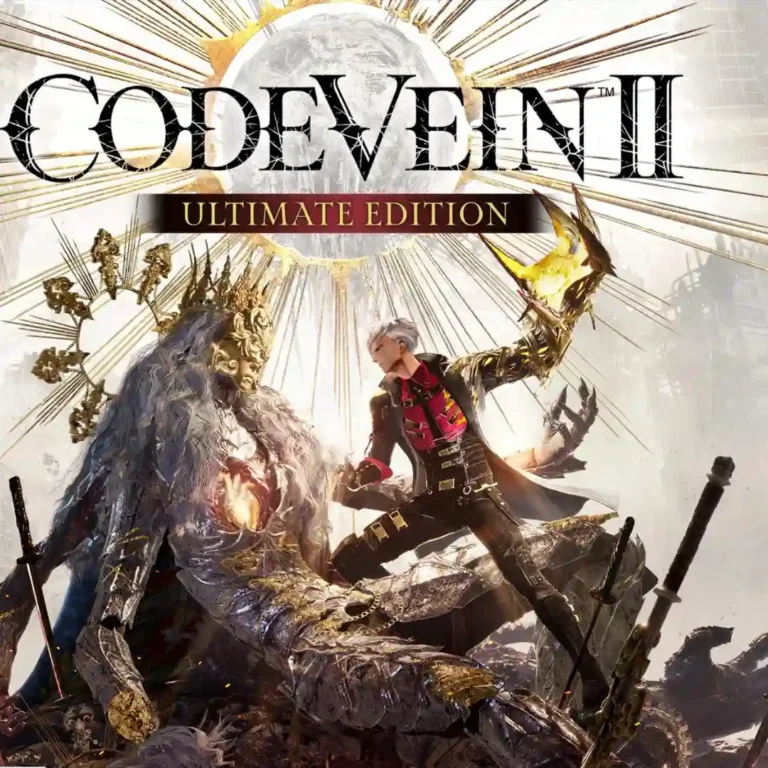
Choose it for flexible builds, strong character creation, and an approachable story-driven Soulslike. Skip it if unstable performance, repetitive enemies, weak navigation, or the loss of co-op outweigh those strengths.
Players who want an anime-styled action RPG with deep character creation, flexible builds, NPC partner support, and a more approachable route into Soulslike combat.
Players who demand consistently smooth performance, tightly tuned boss encounters, dense open-world discovery, or the player co-op that helped define the original Code Vein.
Code Vein II is at its best when it leans into player expression: its character creator is unusually deep, Blood Codes make build experimentation easy, and the partner system gives newcomers a forgiving way into Soulslike combat. The time-travel premise also produces memorable character arcs and meaningful choices for many reviewers. The tradeoff is consistency. Boss quality swings from satisfying to frustrating, enemies and dungeons are reused heavily, navigation can be awkward, and the open world often feels larger than it needs to be. Most damaging is technical performance, with frame-rate drops, stutter, pop-in, and other rough edges reported across platforms, though later patches improve some areas. It is an ambitious, accessible sequel with real strengths, but its best ideas are repeatedly undercut by repetition and polish issues.
Compared with other Video Games, this product is above average in companion AI, economy and resource balance, character customization, near average in character roster, gameplay mechanics, below average in environmental detail, frame rate stability, co-op experience.
| Attribute | This product | Category average | Difference |
|---|---|---|---|
| environmental detail | 1.9 | 4.3 | -2.4 |
| frame rate stability | 1.9 | 3.7 | -1.9 |
| co-op experience | 1.9 | 4.1 | -2.2 |
| multiplayer design | 1.5 | 3.7 | -2.2 |
| driving mechanics | 2.1 | 3.9 | -1.9 |
| performance optimization | 2.3 | 3.8 | -1.5 |
| originality | 2.1 | 3.7 | -1.6 |
| movement feel | 2.0 | 3.8 | -1.8 |
Choose Tales of Xillia Remastered. It scores 5.0 vs 2.1 for originality, with a 3.9 overall score.
Choose Hyrule Warriors: Age of Imprisonment. It scores 4.9 vs 3.8 for faithfulness to franchise, with a 4.1 overall score.
Choose Moonlighter 2: The Endless Vault. It scores 5.0 vs 1.9 for environmental detail, with a 4.0 overall score.
Choose Crimson Desert. It scores 5.0 vs 2.5 for level design, with a 3.5 overall score.
Products reviewers directly compared with this model, grouped into quick takeaways.
No. Reviewers repeatedly note that Code Vein II tells a largely standalone story with a new setting and cast, though some terminology and series ideas carry over.
Difficulty is inconsistent, but many reviewers find it easier and more approachable than typical Soulslikes because partners can draw aggro, revive you, and support flexible builds.
Yes. It is one of the strongest points of consensus, with reviewers praising unusually granular appearance, clothing, accessory, hair, and cosmetic options.
The sequel removes the player co-op found in the original and relies on NPC partners instead, a change several reviewers consider a step backward.
Performance is the most consistent weakness in the review set. Launch coverage reports frame-rate drops, stutter, pop-in, and uneven optimization on consoles and PC, while later patches improve some issues without eliminating every complaint.
It can be rewarding for upgrades, side quests, and timeline changes, but reviewers are split because many areas feel empty, repetitive, or difficult to navigate.
Several thorough playthroughs in the reviews fall roughly in the 40–60 hour range, with length varying by side content and completion goals.
These are a few of the reviews included in our analysis.





For those who love the series, Code Vein II is certainly in a better place, but its merits don't extend too far beyond its compelling story...
Code Vein 2's Mask of Idris expansion is set for September.
Code Vein II is a fun game if you’re the audience for it and can get past some incredibly frustrating boss fights, but it can also be a...
Code Vein II takes Bandai Namco's series in a slightly different direction, starting with a fresh story and an open world. This review...
Bandai Namco takes another stab at the Soulslike genre with the sequel to Code Vein. But is it worth another bite? Find out in our Code Vein...

Best for fluid traversal, rewarding exploration, striking art, and forgiving quality-of-life features. Skip it if you want deep combat, radical genre innovation, or consistently demanding bosses.
Pros: difficulty balance, boss design
Cons: innovation, sandbox freedom

Good if you want fast, tactical roguelite combat with huge progression depth, striking art, and standout music. Skip it if repetition, resource micromanagement, or a less emotionally satisfying sequel story...
Pros: combat system, progression system
Cons: originality

Good if you want a beautiful, demanding survival sandbox built around exploration, building, progression, and memorable co-op. Skip it if long resource runs, harsh death recovery, and deliberate pacing sound...
Pros: town-building system, exploration quality
Cons: grind level, fast travel convenience

Best for joyful destruction, dense exploration, and a charming DK-Pauline adventure. Skip it if camera quirks, frame-rate dips, easy bosses, or premium Switch 2 pricing are dealbreakers.
Pros: fun factor, world interactivity
Cons: frame rate stability, boss design