Best for energy efficiency
Sony Bravia 7 II
5.0 attribute score
Highest scored product for this attribute based on supporting review evidence.

Highest scored product for this attribute based on supporting review evidence.
Balances the attribute score, supporting reviews, and overall product strength.
Has the broadest review evidence for this attribute.
Strongest overall product among items with scored evidence for this attribute.
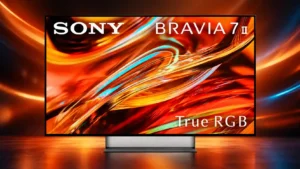
Overall: 4.2/5
The native RGB backlight is praised for delivering very high brightness with unusually efficient light production and lower power waste.
Pros: overall satisfaction, picture quality
Cons: HDMI 2.1 port count, reflection handling
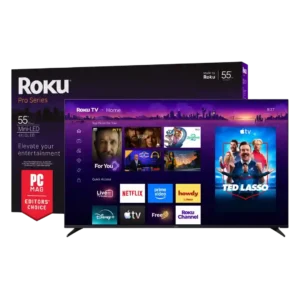
Overall: 4.4/5
One owner reports the TV uses about half the power of their previous set, making efficiency a pleasant bonus.
Pros: overall satisfaction, picture quality
Cons: reliability, portability and versatility
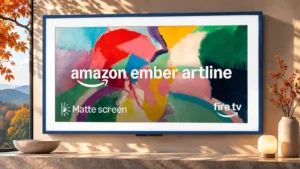
Overall: 3.4/5
Automatic occupancy detection can switch artwork off in an empty room, saving energy without leaving a permanent black screen.
Pros: art display mode, picture quality
Cons: contrast ratio, high-refresh-rate gaming
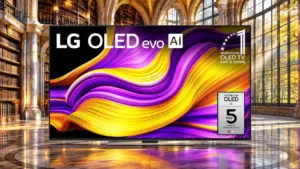
Overall: 4.2/5
Energy efficiency draws favorable reactions, with clear strengths noted in the G5’s real-world performance.
Pros: overall satisfaction, picture quality
Cons: banding control, remote control quality

Overall: 4.4/5
The second-generation tandem panel improves efficiency while also increasing brightness and color performance.
Pros: picture quality, peak brightness
Cons: value for money, sound quality
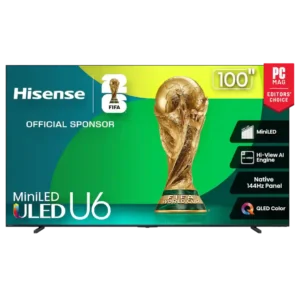
Overall: 4.2/5
One source describes brightness and SDR output as balancing performance with energy efficiency, giving the TV a positive but limited efficiency assessment.
Pros: overall satisfaction, value for money
Cons: smart TV platform, blooming control
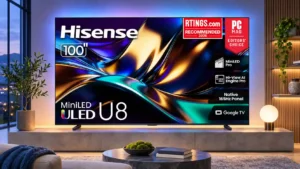
Overall: 4.1/5
Automatic brightness adjustment and reasonable reported draw make the huge 100-inch screen surprisingly practical for its size.
Pros: peak brightness, HDR brightness
Cons: sound quality, viewing angles

Overall: 4.0/5
Peak power use is relatively high versus the preceding model, tempering efficiency expectations.
Pros: value for money, overall satisfaction
Cons: Remote control usability, sound quality
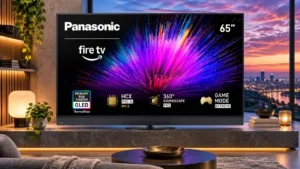
Overall: 4.3/5
The brighter tandem OLED design aims to deliver higher output with less strain on the panel.
Pros: picture quality, color accuracy
Cons: bass performance, HDMI 2.1 port count
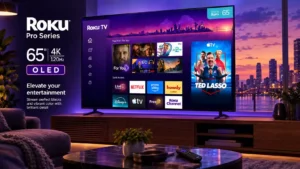
Overall: 4.1/5
Eco mode is appreciated for reducing environmental impact, though brighter viewing modes are available.
Pros: contrast ratio, value for money
Cons: peak brightness, HDR brightness
Overall: 2.6/5
The automatic sleep timer can shut the television off when no longer needed, helping limit unnecessary power use.
Pros: sound quality, picture quality
Cons: value for money, local dimming performance
Overall: 3.8/5
The slim edge-lit approach is praised as relatively economical compared with more elaborate backlight systems.
Pros: picture quality, 4K at 144 Hz support
Cons: sound quality, value for money
Overall: 4.0/5
AI energy settings can cut power use.
Pros: black levels, picture quality
Cons: glare resistance, reflection handling
Overall: 3.0/5
Eco picture mode cuts output and power consumption, at the cost of a dimmer image.
Pros: picture quality, smart TV platform
Cons: value for money, refresh rate
Overall: 3.3/5
Sleep-timer functions can stop an idle TV and avoid unnecessary power use.
Pros: color accuracy, upscaling quality
Cons: picture quality, sound quality
Overall: 3.8/5
The Eco Dashboard offers easy access to consumption controls, though higher-performance settings trade reduced automatic dimming for greater electricity use.
Pros: HDMI 2.1 port count, overall satisfaction
Cons: HDR performance, bass performance
Overall: 4.4/5
Low-power settings can reduce electricity use without making startup noticeably bothersome, and eco controls are available within normal picture modes.
Pros: picture quality, value for money
Cons: stand quality, judder handling
Overall: 3.6/5
Lower electricity use and cool operation receive praise, though energy-saving picture defaults may need adjustment for a satisfying image.
Pros: picture quality, overall satisfaction
Cons: sound quality, reliability
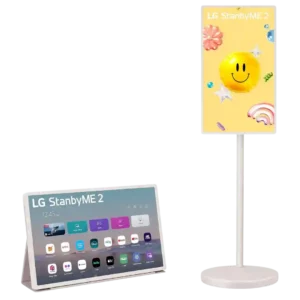
Overall: 3.8/5
Battery life generally lands around the promised four-hour range and is enough for a movie or several episodes, especially in low-power modes. Reviewers also note faster drain at higher brightness,...
Pros: overall satisfaction, portability and versatility
Cons: value for money, menu responsiveness
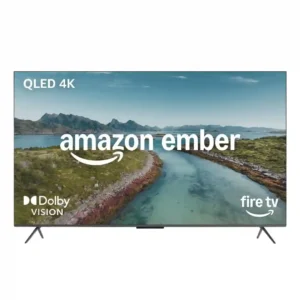
Overall: 3.3/5
Automatic standby and full power-off options can save energy, but one customer found aggressive power-saving behavior impossible to disable. Efficiency features are helpful only when they stay out of the...
Pros: picture quality, overall satisfaction
Cons: value for money, reliability
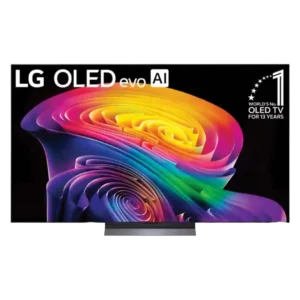
Overall: 4.1/5
The default energy-saving mode reduces brightness enough that several users prefer to disable it, trading lower power use for better picture quality.
Pros: picture quality, gaming performance
Cons: value for money, sound quality
Overall: 4.1/5
A large, bright panel can use substantial electricity even if tandem OLED is relatively efficient per unit of screen area.
Pros: gaming performance, HDR brightness
Cons: reflection handling, glare resistance

Overall: 4.0/5
The 98-inch model draws substantially more electricity than smaller versions, offsetting some of its big-screen appeal in daily running costs.
Pros: picture quality, black levels
Cons: HDR brightness, value for money
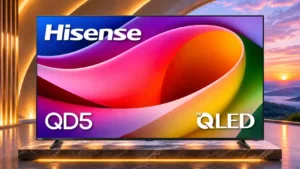
Overall: 3.9/5
A 98-inch screen consumes substantial power, potentially adding noticeably more to the electricity bill than smaller televisions.
Pros: overall satisfaction, picture quality
Cons: Weight and handling, black levels
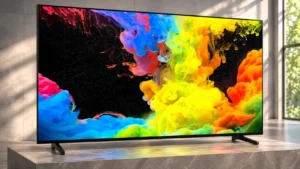
Overall: 4.3/5
Power draw varies considerably with brightness and standby mode. Energy-conscious owners may want to adjust both settings.
Pros: picture quality, black levels
Cons: bass performance, HDR brightness
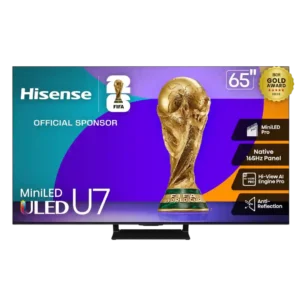
Overall: 4.0/5
The default power-saving mode is easy to change, but reviewers criticized it for noticeably limiting brightness and accuracy out of the box.
Pros: overall satisfaction, picture quality
Cons: reliability, build quality

Overall: 4.2/5
Standby ambient functions consume extra power, making the power-saving tradeoff worth considering.
Pros: value for money, color accuracy
Cons: HDR brightness, reflection handling

Overall: 3.9/5
Power consumption is a weak point, with the Bravia 8 II drawing significantly more energy than the LG G5 in both SDR and HDR testing.
Pros: gaming performance, peak brightness
Cons: HDMI 2.1 support, HDMI 2.1 port count
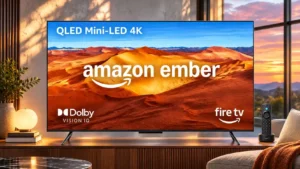
Overall: 3.7/5
The power-hungry Ambient Experience can use far more electricity than a low-power art mode, and energy-saving presets can look too dim.
Pros: value for money, HDR brightness
Cons: color accuracy, shadow detail