Overall: 4.2/5
Energy efficiency draws favorable reactions, with clear strengths noted in the G5’s real-world performance.
Pros: overall satisfaction, picture quality
Cons: banding control, remote control quality

Overall: 4.2/5
Energy efficiency draws favorable reactions, with clear strengths noted in the G5’s real-world performance.
Pros: overall satisfaction, picture quality
Cons: banding control, remote control quality
Overall: 4.2/5
One source describes brightness and SDR output as balancing performance with energy efficiency, giving the TV a positive but limited efficiency assessment.
Pros: overall satisfaction, value for money
Cons: smart TV platform, blooming control
Overall: 4.1/5
Automatic brightness adjustment and reasonable reported draw make the huge 100-inch screen surprisingly practical for its size.
Pros: peak brightness, HDR brightness
Cons: sound quality, viewing angles
Overall: 4.0/5
Peak power use is relatively high versus the preceding model, tempering efficiency expectations.
Pros: value for money, overall satisfaction
Cons: Remote control usability, sound quality
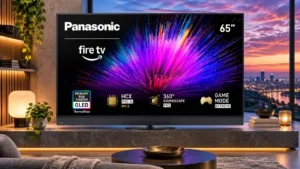
Overall: 4.3/5
The brighter tandem OLED design aims to deliver higher output with less strain on the panel.
Pros: picture quality, color accuracy
Cons: bass performance, HDMI 2.1 port count

Overall: 3.8/5
The slim edge-lit approach is praised as relatively economical compared with more elaborate backlight systems.
Pros: picture quality, 4K at 144 Hz support
Cons: sound quality, value for money
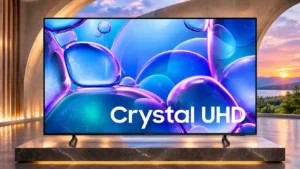
Overall: 3.0/5
Eco picture mode cuts output and power consumption, at the cost of a dimmer image.
Pros: picture quality, smart TV platform
Cons: value for money, refresh rate

Overall: 3.3/5
Sleep-timer functions can stop an idle TV and avoid unnecessary power use.
Pros: color accuracy, upscaling quality
Cons: picture quality, sound quality
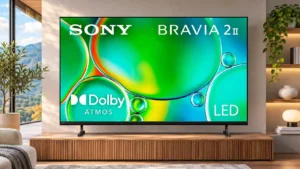
Overall: 3.6/5
Lower electricity use and cool operation receive praise, though energy-saving picture defaults may need adjustment for a satisfying image.
Pros: picture quality, overall satisfaction
Cons: sound quality, reliability
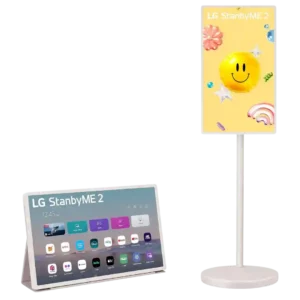
Overall: 3.8/5
Battery life generally lands around the promised four-hour range and is enough for a movie or several episodes, especially in low-power modes. Reviewers also note faster drain at higher brightness,...
Pros: overall satisfaction, portability and versatility
Cons: value for money, menu responsiveness
Overall: 4.0/5
The 98-inch model draws substantially more electricity than smaller versions, offsetting some of its big-screen appeal in daily running costs.
Pros: picture quality, black levels
Cons: HDR brightness, value for money
Overall: 3.9/5
A 98-inch screen consumes substantial power, potentially adding noticeably more to the electricity bill than smaller televisions.
Pros: overall satisfaction, picture quality
Cons: Weight and handling, black levels
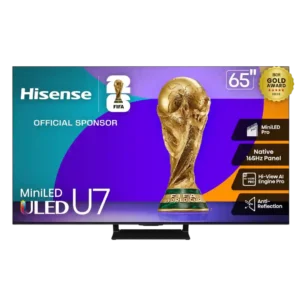
Overall: 4.0/5
The default power-saving mode is easy to change, but reviewers criticized it for noticeably limiting brightness and accuracy out of the box.
Pros: overall satisfaction, picture quality
Cons: reliability, build quality
Overall: 4.2/5
Standby ambient functions consume extra power, making the power-saving tradeoff worth considering.
Pros: value for money, color accuracy
Cons: HDR brightness, reflection handling

Overall: 3.9/5
Power consumption is a weak point, with the Bravia 8 II drawing significantly more energy than the LG G5 in both SDR and HDR testing.
Pros: gaming performance, peak brightness
Cons: HDMI 2.1 support, HDMI 2.1 port count