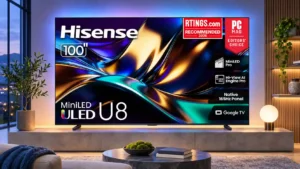
Overall: 4.1/5
HDMI audio passthrough makes upgrading to an external soundbar or receiver straightforward without format headaches.
Pros: peak brightness, HDR brightness
Cons: sound quality, viewing angles

Overall: 4.1/5
HDMI audio passthrough makes upgrading to an external soundbar or receiver straightforward without format headaches.
Pros: peak brightness, HDR brightness
Cons: sound quality, viewing angles
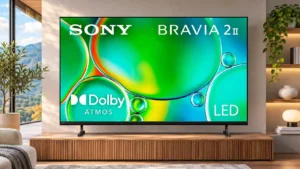
Overall: 3.6/5
Passing major audio formats to external systems is a strong point and helps compensate for the TV's modest built-in speakers.
Pros: picture quality, overall satisfaction
Cons: sound quality, reliability

Overall: 3.9/5
Broad audio-format passthrough helps connect receivers and soundbars without significant compatibility anxiety.
Pros: peak brightness, overall satisfaction
Cons: value for money, shadow detail
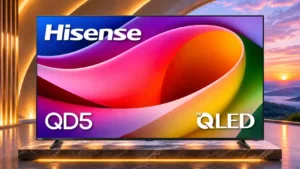
Overall: 3.9/5
eARC can pass uncompressed, high-quality audio to an external receiver for more capable home-theater setups.
Pros: overall satisfaction, picture quality
Cons: Weight and handling, black levels

Overall: 3.6/5
eARC passes the major high-quality audio formats to a compatible receiver or soundbar, offering flexibility beyond the TV's speakers.
Pros: black levels, picture quality
Cons: HDR performance, blooming control

Overall: 3.4/5
Major audio formats pass through from connected external sources, although the same behavior is not guaranteed for every built-in app.
Pros: picture quality, value for money
Cons: viewing angles, HDR performance

Overall: 3.0/5
Dolby Digital—including 7.1-channel Dolby Digital Plus passthrough—works well, though DTS is missing.
Pros: picture quality, smart TV platform
Cons: value for money, refresh rate

Overall: 3.9/5
DTS playback and passthrough are useful for legacy disc collections and make it easier to hand audio off to an external system.
Pros: gaming performance, peak brightness
Cons: HDMI 2.1 support, HDMI 2.1 port count

Overall: 4.0/5
eARC enables advanced surround formats with compatible sound equipment, though sources handling some DTS formats may need direct receiver connections.
Pros: color accuracy, picture quality
Cons: HDR brightness, peak brightness

Overall: 4.0/5
Audio passthrough earns praise for broad format support, although one later firmware complaint involved trouble outputting Dolby Digital.
Pros: overall satisfaction, picture quality
Cons: reliability, build quality

Overall: 4.2/5
External audio routing offers useful options, but testing found intermittent Dolby Atmos sound dropouts on one unit.
Pros: value for money, color accuracy
Cons: HDR brightness, reflection handling
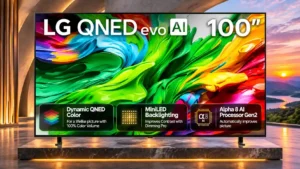
Overall: 3.7/5
Dolby Digital audio passes through via eARC, but the lack of DTS passthrough restricts some physical-media setups.
Pros: picture quality, maximum volume
Cons: sound quality, bass performance

Overall: 3.8/5
Most Dolby formats work, but DTS and unrestricted multichannel LPCM compatibility are shortcomings for complex source setups.
Pros: overall satisfaction, picture quality
Cons: value for money, local dimming performance
Overall: 3.8/5
Dolby-based formats are well covered, but DTS and universal LPCM 7.1 passthrough are missing or restricted.
Pros: glare resistance, overall satisfaction
Cons: input lag, value for money

Overall: 3.3/5
Dolby Digital Plus passthrough can work well, but DTS and some multichannel LPCM configurations remain restricted.
Pros: color accuracy, upscaling quality
Cons: picture quality, sound quality

Overall: 4.0/5
eARC can carry major high-quality formats to external equipment, although a reported Android 14 LPCM sync issue warrants caution with certain setups.
Pros: picture quality, black levels
Cons: HDR brightness, value for money

Overall: 3.0/5
Most Dolby formats pass through, but missing DTS and Dolby Digital Plus 7.1 support reduce flexibility for some Blu-ray setups.
Pros: color gamut, smart TV platform
Cons: value for money, overall satisfaction

Overall: 4.0/5
Audio connectivity supports common formats, but restricted channel configurations and absent DTS passthrough frustrate advanced setups.
Pros: reflection handling, overall satisfaction
Cons: Dolby Vision support, bass performance

Overall: 3.3/5
Dolby-format passthrough helps with compatible audio gear, but absent DTS passthrough is a meaningful limitation for some disc collections.
Pros: picture quality, motion handling
Cons: HDR performance, HDR brightness

Overall: 4.2/5
Some multi-channel passthrough formats are limited to fewer channels than enthusiasts may expect, especially with non-PC sources.
Pros: high-refresh-rate gaming, gaming performance
Cons: value for money, bass performance

Overall: 4.2/5
Audio passthrough has meaningful surround-format restrictions; movie enthusiasts should confirm their soundtrack and receiver needs.
Pros: picture quality, glare resistance
Cons: value for money, bass performance
Overall: 3.9/5
Dolby passthrough is useful but some multichannel formats are restricted, including reported 5.1 limits for Dolby Digital+.
Pros: value for money, overall satisfaction
Cons: Dolby Vision support, sound quality

Overall: 3.8/5
Audio routing covers many Dolby formats but is less accommodating for 7.1 LPCM and unsupported DTS tracks.
Pros: Wireless One Connect compatibility, art display mode
Cons: value for money, input lag

Overall: 3.9/5
Some surround formats are limited: Dolby Digital Plus 7.1 falls back to 5.1 and DTS is unsupported.
Pros: color volume, black levels
Cons: Inconsistent panel and coating by size, sound quality