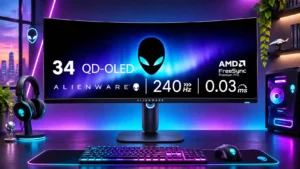
Overall: 4.2/5
The gentle 1800R curve feels enveloping in games without the extreme distortion of tighter curves.
Pros: refresh rate, HDR performance
Cons: reflection handling, Text fringing

Overall: 4.2/5
The gentle 1800R curve feels enveloping in games without the extreme distortion of tighter curves.
Pros: refresh rate, HDR performance
Cons: reflection handling, Text fringing
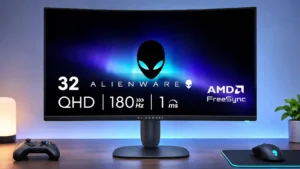
Overall: 4.1/5
The 1500R curve adds a welcome sense of depth without feeling overly aggressive, particularly for a centered single player.
Pros: value for money, overall satisfaction
Cons: HDR performance, Headphone output quality
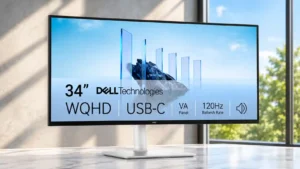
Overall: 4.2/5
The 1800R curve helps pull the far edges into view and adds immersion to work and entertainment, though curved lines can complicate geometric editing.
Pros: overall satisfaction, screen size
Cons: stand adjustability, Photo editing
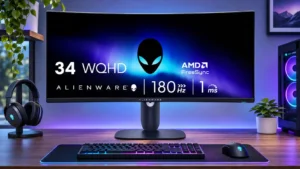
Overall: 3.7/5
The 1500R curve wraps games around a centered player effectively, but it makes the screen less forgiving from other seats.
Pros: ultrawide gaming experience, black levels
Cons: HDR performance, viewing angles
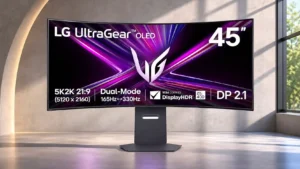
Overall: 4.1/5
The tight 800R curve can feel wonderfully enveloping during gaming and simulations, yet others find it excessive for everyday use and straight-line work. Its shape is a major preference-dependent decision.
Pros: Resolution, overall satisfaction
Cons: value for money, GPU demands
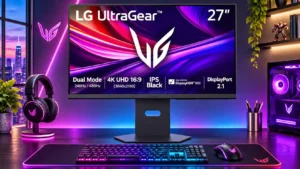
Overall: 3.6/5
The flat 27-inch format disappointed a user who prefers curved monitors for immersion. There is no curved alternative in this version.
Pros: refresh rate, Dual-mode versatility
Cons: motion clarity, black levels
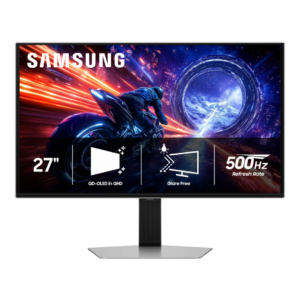
Overall: 4.3/5
The flat 27-inch format cannot match the wraparound immersion of a large curved display, making it less compelling for buyers prioritizing cinematic scale.
Pros: overall satisfaction, competitive gaming suitability
Cons: value for money, screen size