Best for color gamut
LG 27GM950B-B
4.9 attribute score
Highest scored product for this attribute based on supporting review evidence.

Highest scored product for this attribute based on supporting review evidence.
Balances the attribute score, supporting reviews, and overall product strength.
Has the broadest review evidence for this attribute.
Strongest overall product among items with scored evidence for this attribute.
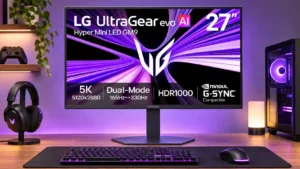
The exceptionally broad gamut produces rich, vivid HDR colors and appeals to photographers. SDR content needs proper gamut control to avoid oversaturation.
Pros: Resolution, Dual-mode versatility
Cons: value for money, GPU demands
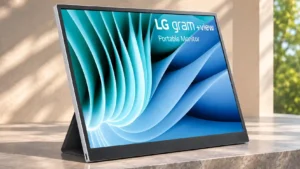
Broad sRGB and P3 coverage makes colors vivid and is a major advantage for a lightweight work display.
Pros: portability and weight, overall satisfaction
Cons: port selection, Device compatibility
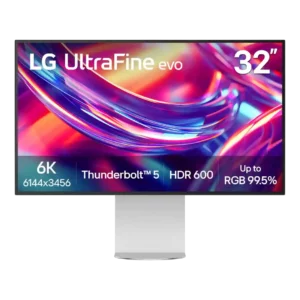
Wide-gamut coverage is excellent, with repeated measurements around the high 90s for DCI-P3 and very strong Adobe RGB coverage. Reviewers consistently praise the vivid, professional-grade color range.
Pros: port selection, overall satisfaction
Cons: value for money, cable management
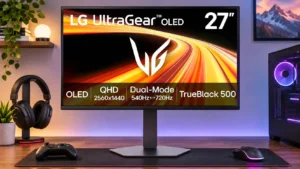
The wide color gamut gives games vivid, rich color; color purity is a frequent highlight of the newer Tandem OLED panel.
Pros: competitive gaming suitability, refresh rate
Cons: Dual-mode versatility, GPU demands
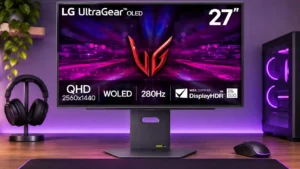
The expanded gamut brings richly saturated colors and strong HDR color coverage, representing a clear improvement over older WOLED generations.
Pros: reflection handling, HDR performance
Cons: screen uniformity, Screen coating clarity
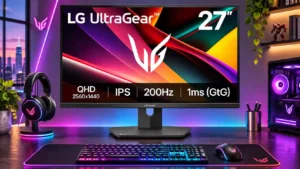
Near-full sRGB coverage is praised for lively everyday games and content, but it is not positioned as a wide-gamut professional display.
Pros: refresh rate, value for money
Cons: HDR performance, contrast
The panel displays richly saturated colors and substantial DCI-P3 coverage, even if QD-OLED alternatives reach a little farther into wide-gamut spaces.
Pros: refresh rate, competitive gaming suitability
Cons: value for money, brightness
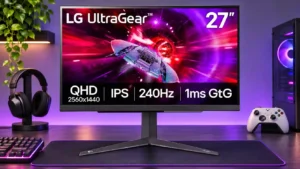
Wide-gamut coverage brings vivid color, with sRGB limiting available when accuracy matters more than saturation.
Pros: refresh rate, overall satisfaction
Cons: HDR performance, contrast
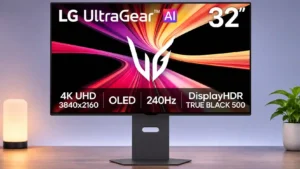
Wide, more vibrant colors mark a meaningful improvement over older WOLED panels for many users. A dissenting owner still found the newest ASUS QD-OLED more colorful.
Pros: brightness, color gamut
Cons: AI scene optimization, value for money
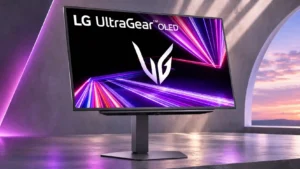
Colors are vivid compared with IPS, yet third-generation WOLED has less HDR color volume than many newer Tandem OLED or QD-OLED rivals.
Pros: overall satisfaction, value for money
Cons: reflection handling, screen uniformity
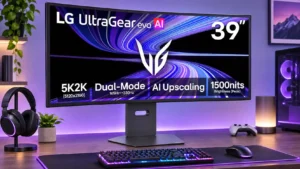
Coverage of modern wide color spaces is extensive, producing vibrant games and HDR imagery even if a few saturated colors remain outside its reach.
Pros: Resolution, overall satisfaction
Cons: value for money, Image scaling
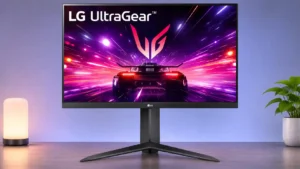
Color coverage is satisfactory for games and routine SDR work but limited for demanding Adobe RGB and DCI-P3 editing. Unrestricted color output can also appear oversaturated.
Pros: adaptive sync performance, response time
Cons: HDR performance, console gaming compatibility