Best for adaptive sync performance
Dell Alienware AW3426DW
5.0 attribute score
Highest scored product for this attribute based on supporting review evidence.

Highest scored product for this attribute based on supporting review evidence.
Balances the attribute score, supporting reviews, and overall product strength.
Has the broadest review evidence for this attribute.
Strongest overall product among items with scored evidence for this attribute.
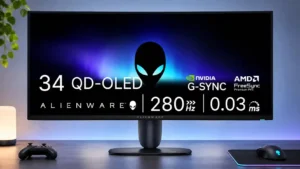
Adaptive Sync, G-SYNC, and FreeSync keep gameplay fluid and largely tear-free. A few accounts distinguish this smoothness from occasional OLED VRR flicker.
Pros: brightness, value for money
Cons: port selection, built-in speakers
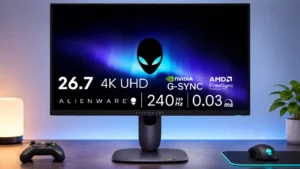
Adaptive sync and G-Sync/FreeSync support were praised for smoothing frames and reducing tearing.
Pros: value for money, sharpness
Cons: brightness, USB hub functionality

Adaptive refresh has worked reliably over tested connections, keeping compatible games free of tearing and stutter.
Pros: overall picture quality, color accuracy
Cons: value for money, built-in speakers
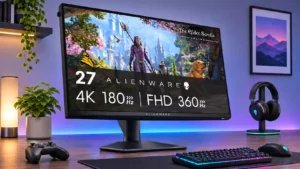
G-SYNC and variable refresh operation are generally praised for smooth, tear-free play across the monitor's resolution modes.
Pros: Resolution, refresh rate
Cons: HDR performance, contrast
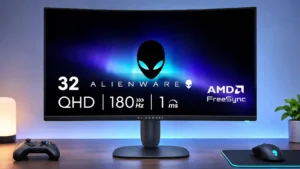
VRR keeps action tear-free and fluid in ordinary games, although one account notes that moving objects become slightly less crisp when it is enabled.
Pros: value for money, overall satisfaction
Cons: HDR performance, Headphone output quality

FreeSync and other VRR support help keep PC and console gaming free of obvious tearing, although variable refresh does not correct motion blur.
Pros: value for money, Resolution
Cons: port selection, competitive gaming suitability
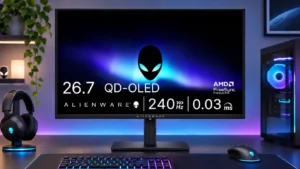
Adaptive-sync options help smooth inconsistent game frame rates, though G-Sync certification and particular connection requirements may matter.
Pros: value for money, panel type
Cons: brightness, port selection
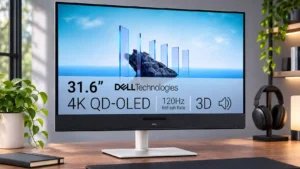
FreeSync generally works smoothly and G-Sync also functions in testing, helping games avoid tearing at supported frame rates.
Pros: overall picture quality, overall satisfaction
Cons: port selection, brightness
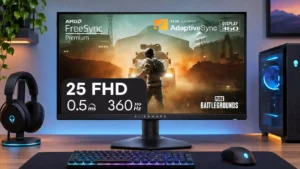
FreeSync operation is broadly praised, and multiple testers found G-SYNC-compatible mode worked over DisplayPort. It does not have a native NVIDIA G-SYNC module.
Pros: competitive gaming suitability, stand adjustability
Cons: color gamut, contrast
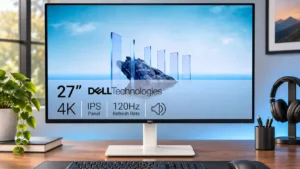
FreeSync and compatible variable-refresh operation reduce tearing and improve smoothness, though changing refresh rates expose limitations in pixel-response tuning.
Pros: value for money, Resolution
Cons: port selection, HDR performance
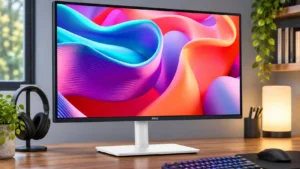
FreeSync-style variable refresh is a worthwhile extra at this price, particularly for occasional gaming rather than competitive play.
Pros: USB hub functionality, USB-C power delivery
Cons: speaker quality
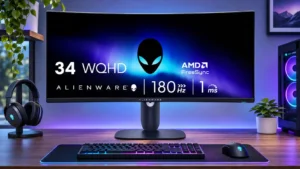
Variable refresh reduces tearing and stays reasonably consistent across refresh rates. It can also worsen smearing and flicker when frame rates fluctuate.
Pros: ultrawide gaming experience, black levels
Cons: HDR performance, viewing angles
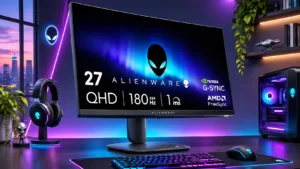
Variable refresh avoids tearing and works seamlessly for some, but testing also found extra blur when VRR was turned on.
Pros: overall satisfaction, refresh rate
Cons: HDR performance, HDMI 2.1 support
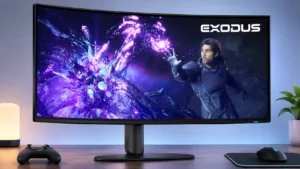
FreeSync, G-SYNC and AdaptiveSync support can provide smooth, tear-free play across different graphics cards. There are reports of flicker, minor tearing or smoothness changes depending on settings and system.
Pros: overall satisfaction, Text fringing
Cons: brightness, Edge dimming behavior
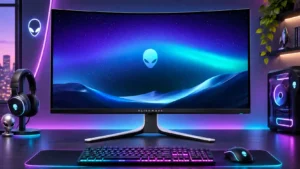
Adaptive sync generally minimizes tearing and supports smooth gaming at fluctuating frame rates, although OLED VRR flicker is not entirely eliminated.
Pros: overall satisfaction, brightness
Cons: Dolby Vision support, VRR flicker

Variable refresh support adds flexibility, but settings that should improve gaming sometimes introduce visible artifacts. Smooth 120Hz scrolling is more convincing than the adaptive-sync gaming experience.
Pros: port selection, USB hub functionality
Cons: competitive gaming suitability, motion clarity
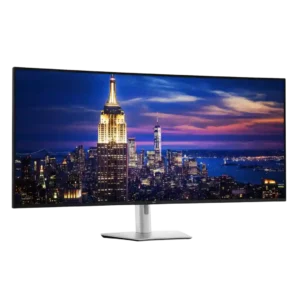
One test system detected variable-refresh behavior even without clear official adaptive-sync certification. Compatibility appears workable but not guaranteed across every GPU or platform.
Pros: productivity versatility, overall satisfaction
Cons: value for money, response time
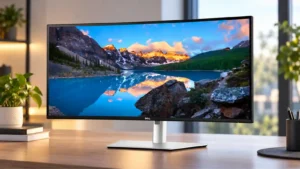
The lack of FreeSync and G-Sync is a clear gaming limitation. Casual play is still possible, but buyers wanting robust adaptive-sync support have better options.
Pros: overall satisfaction, productivity versatility
Cons: value for money, reliability over time