Best for adaptive sync performance
MSI MPG 322URX QD-OLED
5.0 attribute score
Highest scored product for this attribute based on supporting review evidence.

Highest scored product for this attribute based on supporting review evidence.
Balances the attribute score, supporting reviews, and overall product strength.
Has the broadest review evidence for this attribute.
Strongest overall product among items with scored evidence for this attribute.
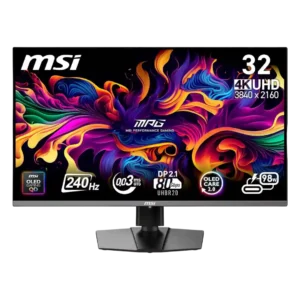
Adaptive Sync and G-Sync keep gameplay free of tearing and stutter in the reviews that tested them. Motion stays especially clean at high frame rates.
Pros: color accuracy, value for money
Cons: reliability over time, brightness
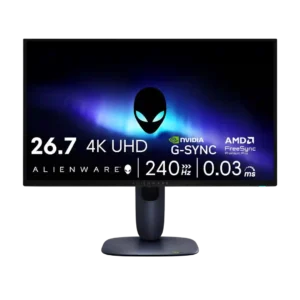
Adaptive sync and G-Sync/FreeSync support were praised for smoothing frames and reducing tearing.
Pros: value for money, sharpness
Cons: brightness, USB hub functionality
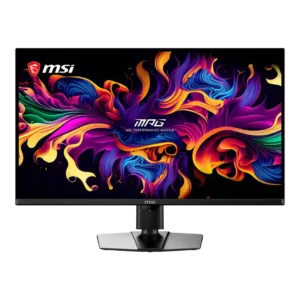
Adaptive Sync works across Nvidia and AMD graphics cards and generally keeps gameplay tear-free. Flicker can still appear in darker scenes when frame rates fluctuate or cross the low-framerate compensation...
Pros: brightness, reflection handling
Cons: cable management
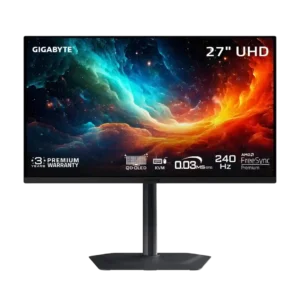
G-Sync and VRR generally prevent tearing and preserve response consistency across refresh rates. Low, unstable frame rates can still produce OLED flicker.
Pros: motion clarity, PC gaming compatibility
Cons: color accuracy, software support
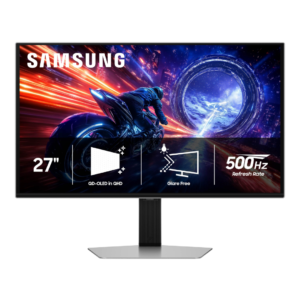
Adaptive sync is usually smooth and tear-free across Nvidia and AMD GPUs, but one test found conspicuous VRR flicker in dark and mid-tone scenes. Samsung’s VRR Control can help, though...
Pros: overall satisfaction, competitive gaming suitability
Cons: value for money, screen size
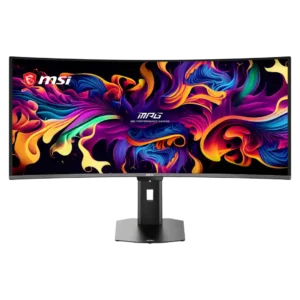
Adaptive Sync works smoothly across Nvidia and AMD graphics cards, keeping gameplay tear-free. OLED VRR flicker can still appear in dark scenes with unstable frame rates.
Pros: overall satisfaction, sharpness
Cons: Resolution, cable management
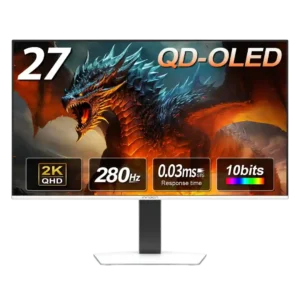
Adaptive sync works well after it is enabled, including high-refresh console output. Setup can require a little menu tinkering.
Pros: color gamut, overall picture quality
Cons: brightness, HDR performance
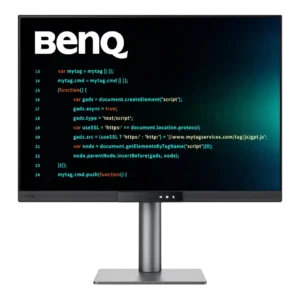
AMD FreeSync worked in testing, and another reviewer reported unofficial Nvidia G-Sync support. Adaptive sync is useful here, but the monitor is still tuned more for work than high-speed gaming.
Pros: productivity versatility, aspect ratio
Cons: value for money, competitive gaming suitability
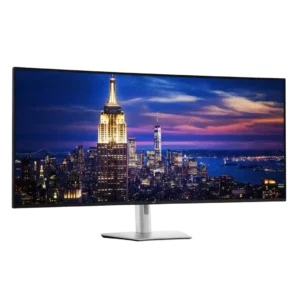
One test system detected variable-refresh behavior even without clear official adaptive-sync certification. Compatibility appears workable but not guaranteed across every GPU or platform.
Pros: productivity versatility, overall satisfaction
Cons: value for money, response time
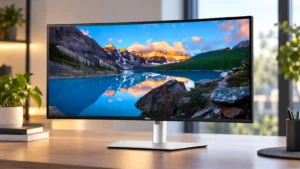
The lack of FreeSync and G-Sync is a clear gaming limitation. Casual play is still possible, but buyers wanting robust adaptive-sync support have better options.
Pros: overall satisfaction, productivity versatility
Cons: value for money, reliability over time
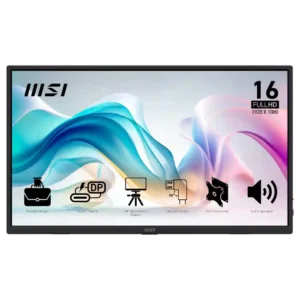
Adaptive Sync is absent, and that limitation contributes to merely tolerable motion performance. Buyers focused on variable-refresh gaming should look elsewhere.
Pros: value for money, portability and weight
Cons: built-in speakers, color gamut