Enemy behaviors, attack patterns, and area-specific designs are consistently praised for adding variety and compensating for Glimmer's relatively simple core combat kit.
Pros: difficulty balance, boss design
Cons: innovation, sandbox freedom

Enemy behaviors, attack patterns, and area-specific designs are consistently praised for adding variety and compensating for Glimmer's relatively simple core combat kit.
Pros: difficulty balance, boss design
Cons: innovation, sandbox freedom
The breadth of creatures is praised as staggering, helping exploration stay surprising across a very large world.
Pros: performance optimization, frame rate stability
Cons: controller ergonomics, platform-specific feature support
The enemy lineup is praised for having a genuinely impressive range of distinct types, helping regular encounters feel broader than the simple core combat system might suggest.
Pros: movement feel, originality
Cons: difficulty balance, combat system
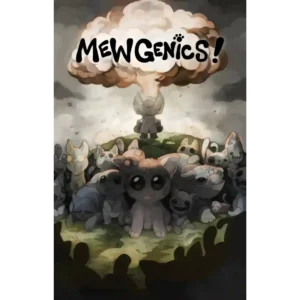
Enemy variety is exceptional, with large numbers of visually and mechanically distinct foes that demand different responses. Reviewers frequently mention still meeting new threats deep into lengthy playtimes.
Pros: combat system, soundtrack quality
Cons: difficulty balance, learning curve
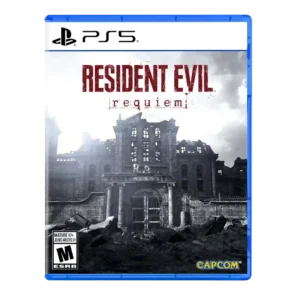
Enemy variety was praised through zombies with different retained behaviors and personalities.
Pros: pacing, combat system
Cons: originality
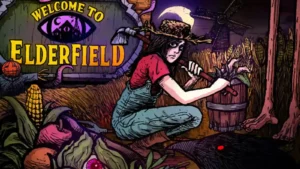
The game features many unusual monsters and distinctive enemy concepts, helping repeated exploration and combat retain a strong horror identity.
Pros: combat system, difficulty balance
Cons: progression system, bug frequency

Enemy variety is a consistent combat strength, with distinct visual designs, behaviors, and world-specific opponents keeping encounters interesting.
Pros: core gameplay loop, difficulty balance
Cons: narrative quality, load times
Enemy variety is broadly praised, with creatures and machines using distinct looks, attack patterns, and environmental themes. A few sources note derivative designs or behavior that becomes less threatening after...
Pros: atmosphere, exploration quality
Cons: map and navigation design, bug frequency
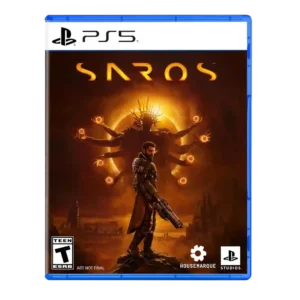
Enemy variety was praised for diverse, escalating, and biome-changing threats that keep combat fresh.
Pros: narrative quality, combat system
Cons: side character depth, dialogue quality

Enemy designs and challenges add useful variety, with different opponents helping the campaign avoid feeling visually or tactically flat.
Pros: remake/remaster quality, overall quality
Cons: level design, map and navigation design
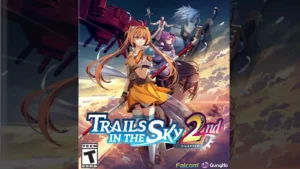
Enemy variety is viewed positively, with bosses standing out most for memorable attacks and presentation. Regular encounters provide enough variation to support the expanded combat systems.
Pros: combat system, narrative quality
Cons: pacing, onboarding experience
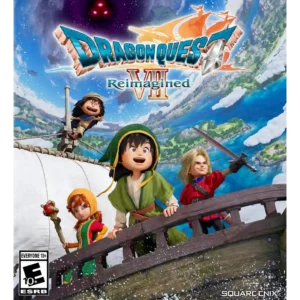
The monster roster retains Dragon Quest’s playful personality, with encounters ranging from iconic to delightfully strange.
Pros: combat system, accessibility options
Cons: pacing, difficulty balance
Many sources enjoy the mix of dragons, undead, creatures, bandits, and fantasy enemies, with some praising the designs strongly. A later perspective argues the underlying enemy mechanics become limited and...
Pros: graphics quality, progression system
Cons: combat system, bug frequency
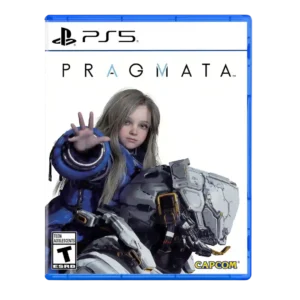
Enemy variety is mostly strong, with different robot types and threats keeping combat fresh, though a few reviewers wanted more bots or bosses.
Pros: combat system, emotional impact
Cons: map and navigation design, platforming precision
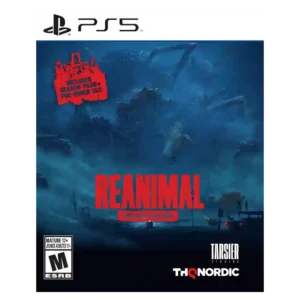
Enemy variety is usually praised for grotesque, inventive nightmare-fuel designs, though one review criticized unbalanced screen time for a human-like enemy.
Pros: narrative quality, atmosphere
Cons: puzzle design, fun factor

Enemy variety is generally well regarded, with different walker and Savior types asking for different responses. Some human designs are more generic, but the roster usually stays fresh enough for...
Pros: fun factor, faithfulness to franchise
Cons: combat system, game length
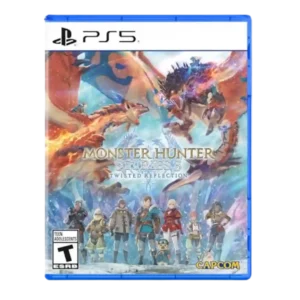
The monster roster is large and packed with recognizable favorites and new variants, though a few players still noticed repeated-looking species or omissions.
Pros: combat system, narrative quality
Cons: difficulty balance, grind level
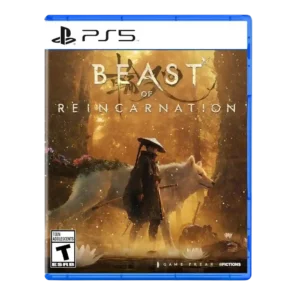
Early zones combine corrupted animals, mechanical golems, flying threats, armored enemies, and giant Nushi. The mix supports different combat responses, although long-term variety is still uncertain.
Pros: combat system, companion AI
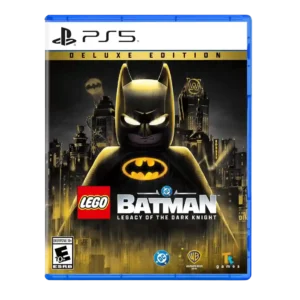
Enemy variety has positive early evidence, with different enemy types forcing smarter combat decisions.
Pros: combat system, exploration quality
Enemy variety is generally strong, with snipers, shielded heavies, drones, melee threats, and other specialists forcing different responses. A few sections still feel repetitive when familiar foes dominate.
Pros: fun factor, core gameplay loop
Cons: difficulty balance, narrative quality
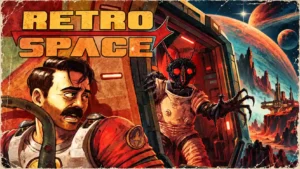
Insect hybrids, pigmen, plant creatures, and robots provide memorable designs and different weaknesses. Learning those differences can make weapon switching satisfying, although some encounters still feel limited or routine.
Pros: overall quality, art direction
Cons: map and navigation design, difficulty balance
The mythological bestiary is generally strong, with recognizable creatures and steady additions across biomes, although some reviewers note reskins and repetitive regular encounters.
Pros: boss design, exploration quality
Cons: combat system, narrative quality
Special enemies keep fights readable and dangerous, but opinions split on originality; several reviewers call the roster effective yet familiar compared with other horde shooters.
Pros: fun factor, combat system
Cons: mission variety, progression system
Enemy variety is strong overall and improves in the Deep North, though some late-game creatures feel recycled rather than genuinely new.
Pros: town-building system, exploration quality
Cons: grind level, fast travel convenience
Distinct monster behaviors create strong tactical variety, though a few especially punishing enemies can feel maddening rather than merely challenging.
Pros: graphics quality, core gameplay loop
Cons: difficulty balance, remake/remaster quality
Enemy variety was often praised for distinct types and readable design, but some reviews found repeated enemies visually or mechanically familiar.
Pros: combat system, movement feel
Cons: narrative quality, difficulty balance
Enemy variety was divisive, ranging from praise for a huge monster lineup to criticism of recycled or repetitive foes.
Pros: combat system, open-world design
Cons: narrative quality, performance optimization
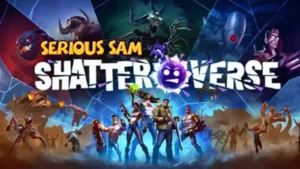
The roster itself is often praised for mixing classics with newcomers, but some feel enemy roles blur together and lose the distinct behaviors that once made the hordes memorable.
Pros: co-op experience, soundtrack quality
Cons: upgrade system, faithfulness to franchise
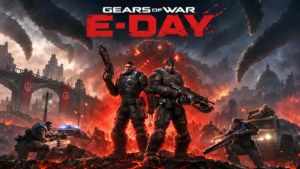
The mix of returning Locust and new threats keeps encounters visually and tactically varied. Bigger enemies draw more criticism when heavy health pools and weak hit reactions make them feel...
Pros: combat system, graphics quality
Cons: exploration quality, mission design

Cultists and increasingly grotesque enemies offer visual variation and changing threats. Similar attack patterns and a limited practical range of foes make encounters feel repetitive to some players.
Pros: faithfulness to franchise, narrative quality
Cons: combat system, boss design
The sequel introduces a broader mix of enemies than the original, but variety does not always translate into smarter or more engaging fights.
Pros: writing quality, fun factor
Cons: bug frequency, combat system
Enemy presentation varies well across eras, but some dungeon stretches repeat too many similar foes. Visual distinctiveness is stronger than encounter variety.
Pros: combat system, fun factor
Cons: difficulty balance, pacing
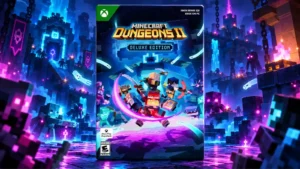
New Sift creatures and returning Minecraft mobs add visual and encounter variety, although familiar zombies and Illagers still make ordinary fights repetitive for some.
Pros: open-world design, graphics quality
Cons: narrative quality, endgame content
Opinions split sharply: some found a healthy mix of enemy roles and visual variants, while others saw too many reskinned or functionally similar foes. Repetition is most noticeable in the...
Pros: fun factor, art direction
Cons: weapon balance, gameplay mechanics
Enemy repetition is one of the most consistent complaints. Many reviewers say familiar fodder and recycled bosses appear too often, making dungeons less engaging over a long campaign.
Pros: fun factor, narrative quality
Cons: boss design, exploration quality
Reviewer evidence is mixed: enemy variety drew both praise and caveats across 2 review(s).
Pros: combat system, graphics quality
Cons: controls responsiveness, narrative quality
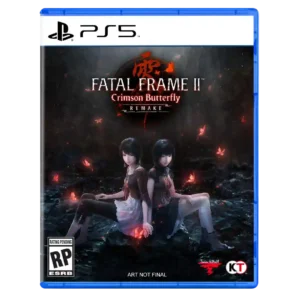
Ghosts have memorable designs and behaviors, but repeated encounters can make the roster feel less varied over a full playthrough.
Pros: remake/remaster quality, horror tension
Cons: combat system, frame rate stability

Enemy types expand as the campaign continues, but repeated waves and familiar encounter patterns remain a common complaint.
Pros: fun factor, combat system
Cons: originality, level design

Enemy variety is mixed and trends weaker late in the game. Some reviewers enjoy distinct tactical threats and weak-point roles, while others feel the same small pool is recycled too...
Pros: fun factor, originality
Cons: combat system, narrative quality
The roster has memorable supernatural designs and multiple factions, but ordinary encounters can still feel repetitive. Reused archetypes and endless smaller enemies weaken the sense of variety over time.
Pros: combat system, narrative quality
Cons: boss design, map and navigation design
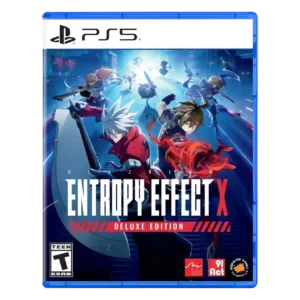
Enemy variety is one of the main weak spots, with several reviewers finding repeated minions or limited enemy pools despite good combat.
Pros: combat system, character roster
Cons: narrative quality, learning curve
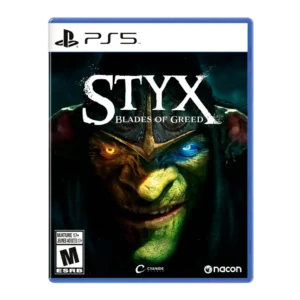
Enemy variety is mixed. Early encounters can feel dominated by familiar guards, while later areas introduce more unusual creatures and tougher enemy types that demand different tactics.
Pros: fun factor, stealth mechanics
Cons: polish, combat system
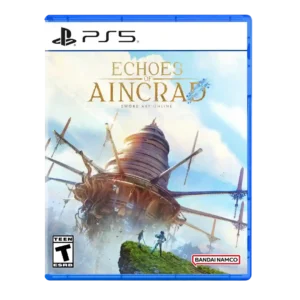
Enemy variety was divisive: some praised distinct enemy behaviors, while several previews complained of scarce or repeated enemy types.
Pros: combat system, companion AI
Cons: open-world design, movement feel

The limited bestiary is a repeated criticism, particularly as familiar shadowy enemies recur. Behavioral differences preserve some tactical interest even when the designs lack distinction.
Pros: overall quality, atmosphere
Cons: boss design, movement feel
Common-enemy variety is a recurring weakness, with several reviews noting repeated basic foes and armored variants across a long campaign. Boss variety is much stronger.
Pros: combat system, fun factor
Cons: pacing, open-world design
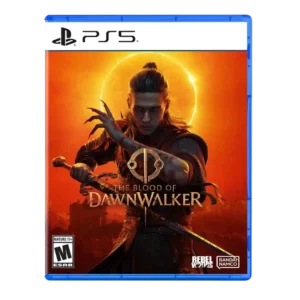
Enemy variety is one of the most repeated weaknesses. Familiar humans, beasts, and supernatural foes recur so often that patterns become easy to read and late-game fighting can feel stale.
Pros: combat system, fun factor
Cons: content variety, polish
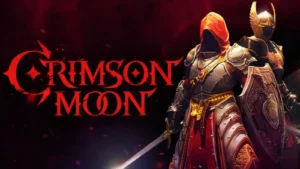
Enemy variety is a recurring weakness. Familiar mobs and variants become predictable across repeated runs even when individual enemy types are readable.
Pros: value for money, combat system
Cons: camera behavior, content variety
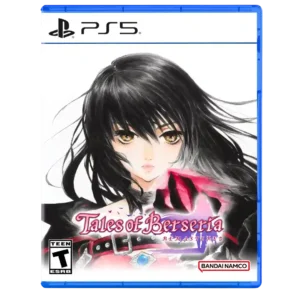
Enemy variety is a recurring weakness in dungeons, with repeated foes and samey encounter waves undercutting otherwise lively combat.
Pros: narrative quality, combat system
Cons: remake/remaster quality, value for money
Regular enemies are widely criticized for repeating models, attacks, and encounter patterns, though a minority found later enemy and boss variety stronger than expected.
Pros: combat system, originality
Cons: overall quality, narrative quality

Enemy variety is one of the clearest recurring weaknesses, with several reviewers noting only a handful of common monster types. Later additions help, but many still find the roster repetitive.
Pros: horror tension, puzzle design
Cons: stealth mechanics, fun factor