Best for enemy variety
Well Dweller
5.0 attribute score
Highest scored product for this attribute based on supporting review evidence.

Highest scored product for this attribute based on supporting review evidence.
Balances the attribute score, supporting reviews, and overall product strength.
Has the broadest review evidence for this attribute.
Strongest overall product among items with scored evidence for this attribute.

Overall: 4.7/5
Enemy behaviors, attack patterns, and area-specific designs are consistently praised for adding variety and compensating for Glimmer's relatively simple core combat kit.
Pros: difficulty balance, boss design
Cons: innovation, sandbox freedom

Overall: 4.0/5
Different infected enemies and escalating threats keep combat fresh across the village, castle and island.
Pros: frame rate stability, overall quality
Cons: visual effects quality, humor

Overall: 4.2/5
The breadth of creatures is praised as staggering, helping exploration stay surprising across a very large world.
Pros: performance optimization, frame rate stability
Cons: controller ergonomics, platform-specific feature support
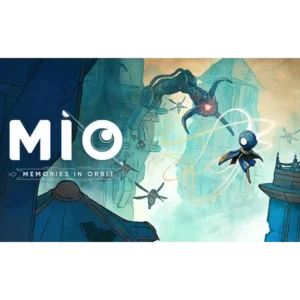
Overall: 4.0/5
The enemy lineup is praised for having a genuinely impressive range of distinct types, helping regular encounters feel broader than the simple core combat system might suggest.
Pros: movement feel, originality
Cons: difficulty balance, combat system

Overall: 3.6/5
Varied enemies and an expanding skill set help the fighting avoid monotony.
Pros: overall quality, frame rate stability
Cons: graphics quality, controls responsiveness

Overall: 3.3/5
The broad range of colorful ghostly apparitions stays visually distinct across regions and gives the bestiary plenty of personality.
Pros: combat system, soundtrack quality
Cons: narrative quality, exploration quality
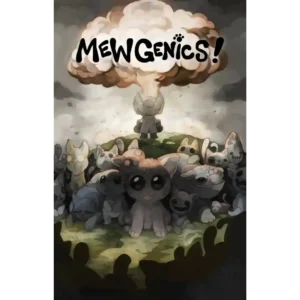
Overall: 4.1/5
Enemy variety is exceptional, with large numbers of visually and mechanically distinct foes that demand different responses. Reviewers frequently mention still meeting new threats deep into lengthy playtimes.
Pros: combat system, soundtrack quality
Cons: difficulty balance, learning curve
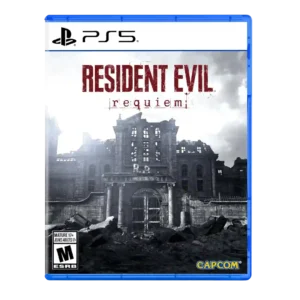
Overall: 4.4/5
Enemy variety was praised through zombies with different retained behaviors and personalities.
Pros: pacing, combat system
Cons: originality

Overall: 4.3/5
The game features many unusual monsters and distinctive enemy concepts, helping repeated exploration and combat retain a strong horror identity.
Pros: combat system, difficulty balance
Cons: progression system, bug frequency

Overall: 3.6/5
Enemy variety is praised across reviews for distinct factions, modifiers, new enemy types, and encounters that force tactical adjustments.
Pros: movement feel, loot system
Cons: performance optimization, narrative quality

Overall: 4.5/5
A broad roster of foes helps keep encounters lively across the different regions. New enemies also encourage players to use the expanded combat toolkit.
Pros: overall quality, combat system
Cons: pacing, grind level

Overall: 4.0/5
Enemy variety is a consistent combat strength, with distinct visual designs, behaviors, and world-specific opponents keeping encounters interesting.
Pros: core gameplay loop, difficulty balance
Cons: narrative quality, load times

Overall: 4.4/5
Enemy variety is a strength, with reviewers praising the range of ninjas, soldiers, monsters, bosses, and specialized foes that shape encounters.
Pros: combat system, faithfulness to franchise
Cons: narrative quality, frame rate stability
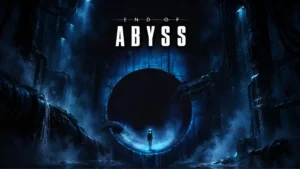
Overall: 3.8/5
Enemy variety is broadly praised, with creatures and machines using distinct looks, attack patterns, and environmental themes. A few sources note derivative designs or behavior that becomes less threatening after...
Pros: atmosphere, exploration quality
Cons: map and navigation design, bug frequency
Overall: 3.6/5
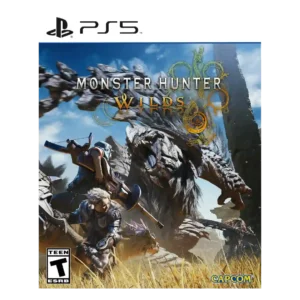
Enemy variety was highly praised, with reviewers emphasizing strange new creatures, diverse silhouettes, and a memorable monster cast.
Pros: combat system, narrative quality
Cons: difficulty balance, endgame content
Overall: 4.3/5
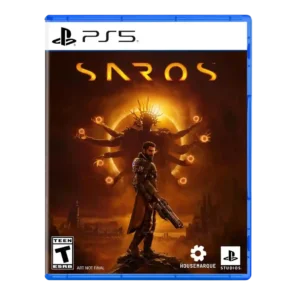
Enemy variety was praised for diverse, escalating, and biome-changing threats that keep combat fresh.
Pros: narrative quality, combat system
Cons: side character depth, dialogue quality
Overall: 3.6/5
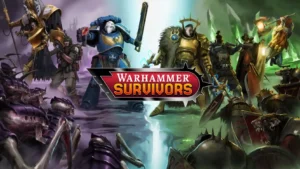
Warhammer factions bring different swarms and attacks, adding variation beyond simple health increases.
Pros: fun factor, content variety
Cons: originality, grind level
Overall: 3.3/5
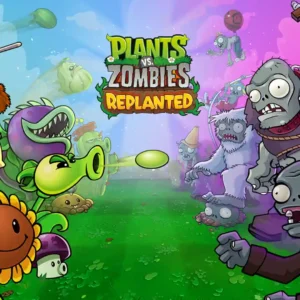
The steady introduction of specialized zombies remains one of the design’s strongest teaching tools. Different armor, movement, and lane threats keep forcing changes to plant selection and defensive layouts.
Pros: fun factor, remake/remaster quality
Cons: graphics quality, soundtrack quality

Overall: 4.3/5
Enemy designs and challenges add useful variety, with different opponents helping the campaign avoid feeling visually or tactically flat.
Pros: remake/remaster quality, overall quality
Cons: level design, map and navigation design

Overall: 4.2/5
Enemy variety in World Tour was praised for teaching matchups and adding amusing oddball opponents.
Pros: accessibility options, combat system
Cons: narrative quality, frame rate stability

Overall: 4.3/5
A colorful roster keeps repeated combat patterns from dominating the adventure. Many enemies appear only in a few locations, helping each region feel distinct.
Pros: remake/remaster quality, overall quality
Cons: difficulty balance, menu usability

Overall: 4.4/5
Enemy variety is viewed positively, with bosses standing out most for memorable attacks and presentation. Regular encounters provide enough variation to support the expanded combat systems.
Pros: combat system, narrative quality
Cons: pacing, onboarding experience
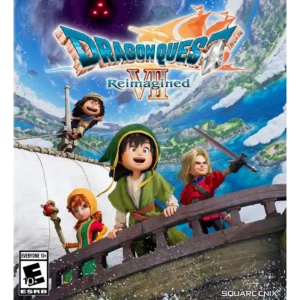
Overall: 3.7/5
The monster roster retains Dragon Quest’s playful personality, with encounters ranging from iconic to delightfully strange.
Pros: combat system, accessibility options
Cons: pacing, difficulty balance

Overall: 3.8/5
Varied opponents and attack patterns help sustain combat interest. Different encounters ask for different reactions rather than identical attack strings.
Pros: remake/remaster quality, combat system
Cons: graphics quality, controls responsiveness
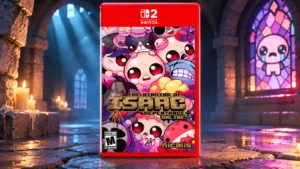
Overall: 3.9/5
A huge range of creatures and attack patterns keeps procedural rooms from feeling identical.
Pros: Item descriptions, overall quality
Cons: online stability, server reliability

Overall: 4.3/5
Distinct enemy types and mechanics help fights evolve as the story escalates. The variety is not enormous, but tougher groups introduce useful changes to the basic brawling rhythm.
Pros: narrative quality, combat system
Cons: onboarding experience, difficulty balance
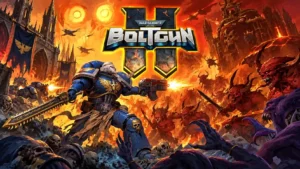
Overall: 4.0/5
Forces from all four Chaos gods broaden the bestiary and keep many fights fresh. Some feel the expanded roster still behaves too similarly.
Pros: overall quality, replay value
Cons: narrative quality, difficulty balance
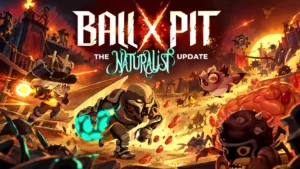
Overall: 4.3/5
Shields, ranged attacks, and biome-specific behaviors create worthwhile tactical differences. Enemy variations help keep the advancing rows from feeling purely cosmetic.
Pros: fun factor, upgrade system
Cons: user interface design, grind level
Overall: 4.3/5
Enemy variety was usually positive, with several reviewers praising distinct foes, while one found variety lacking.
Pros: combat system, replay value
Cons: narrative quality, grind level

Overall: 3.9/5
Distinct enemies and attack patterns keep most station encounters lively, though some random combinations can spike difficulty without much warning.
Pros: Build variety and synergy, strategic depth
Cons: minigame quality, learning curve
Overall: 4.0/5
Many sources enjoy the mix of dragons, undead, creatures, bandits, and fantasy enemies, with some praising the designs strongly. A later perspective argues the underlying enemy mechanics become limited and...
Pros: graphics quality, progression system
Cons: combat system, bug frequency
Overall: 4.3/5
Enemy variety is mostly strong, with different robot types and threats keeping combat fresh, though a few reviewers wanted more bots or bosses.
Pros: combat system, emotional impact
Cons: map and navigation design, platforming precision
Overall: 3.9/5
Enemy variety is usually praised for grotesque, inventive nightmare-fuel designs, though one review criticized unbalanced screen time for a human-like enemy.
Pros: narrative quality, atmosphere
Cons: puzzle design, fun factor

Overall: 3.3/5
Enemy variety is generally well regarded, with different walker and Savior types asking for different responses. Some human designs are more generic, but the roster usually stays fresh enough for...
Pros: fun factor, faithfulness to franchise
Cons: combat system, game length
Overall: 4.3/5
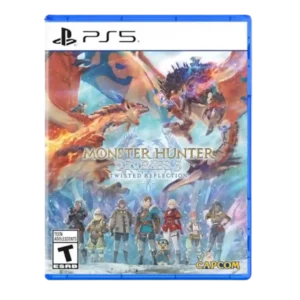
The monster roster is large and packed with recognizable favorites and new variants, though a few players still noticed repeated-looking species or omissions.
Pros: combat system, narrative quality
Cons: difficulty balance, grind level
Overall: 3.8/5
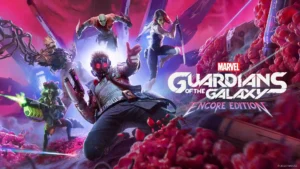
Alien creatures, corrupted soldiers and cultists provide a satisfying spread of opponents. The unusual designs help keep encounters visually interesting.
Pros: graphics quality, overall quality
Cons: frame rate stability, handheld play suitability

Overall: 4.4/5
Enemy variety is positively noted through more weapon matchups, multiple factions, and a better range of enemies than before.
Pros: combat system, narrative quality
Cons: grind level, innovation
Overall: 4.4/5
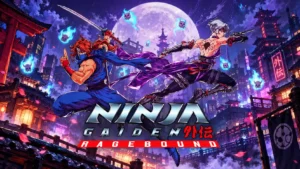
A broad mix of enemies gives the toolkit different problems to solve and helps stages stay engaging. Their placements and new combinations matter as much as their appearance.
Pros: overall quality, difficulty balance
Cons: frame rate stability, performance optimization

Overall: 4.2/5
Friendly spirits, hostile entities, and varied hauntings make nighttime encounters interesting. Some find that rotation compelling for many hours, while others tire of repeating familiar challenges.
Pros: overall quality, art direction
Cons: pacing, economy and resource balance
Overall: 4.3/5
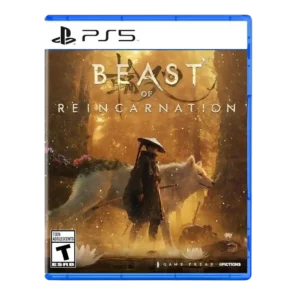
Early zones combine corrupted animals, mechanical golems, flying threats, armored enemies, and giant Nushi. The mix supports different combat responses, although long-term variety is still uncertain.
Pros: combat system, companion AI

Overall: 4.2/5
Enemy variety has positive early evidence, with different enemy types forcing smarter combat decisions.
Pros: combat system, exploration quality

Overall: 4.3/5
Enemy variety is mostly praised for new forms and loadouts, but at least one review felt bandits and BTs were too familiar.
Pros: narrative quality, combat system
Cons: difficulty balance, weapon balance
Overall: 4.0/5
Enemy variety is generally strong, with snipers, shielded heavies, drones, melee threats, and other specialists forcing different responses. A few sections still feel repetitive when familiar foes dominate.
Pros: fun factor, core gameplay loop
Cons: difficulty balance, narrative quality

Overall: 4.1/5
Most reviews praised the range and threat of Arc machines, though one review found the enemy designs repetitive and unimaginative.
Pros: sound design, combat system
Cons: voice acting, menu usability

Overall: 3.6/5
Insect hybrids, pigmen, plant creatures, and robots provide memorable designs and different weaknesses. Learning those differences can make weapon switching satisfying, although some encounters still feel limited or routine.
Pros: overall quality, art direction
Cons: map and navigation design, difficulty balance
Overall: 4.3/5
Enemy variety is strong in scope, but evidence is mixed because flying enemies, monster rooms, and certain mobs can feel annoying.
Pros: difficulty balance, art direction
Cons: economy and resource balance, checkpoint system
Overall: 3.9/5
Enemy variety was usually viewed positively thanks to different Orphan forms and behaviors, though a few reviewers thought designs could feel samey.
Pros: combat system, narrative quality
Cons: boss design, puzzle design
Overall: 3.0/5
The mythological bestiary is generally strong, with recognizable creatures and steady additions across biomes, although some reviewers note reskins and repetitive regular encounters.
Pros: boss design, exploration quality
Cons: combat system, narrative quality

Overall: 3.5/5
Special enemies keep fights readable and dangerous, but opinions split on originality; several reviewers call the roster effective yet familiar compared with other horde shooters.
Pros: fun factor, combat system
Cons: mission variety, progression system
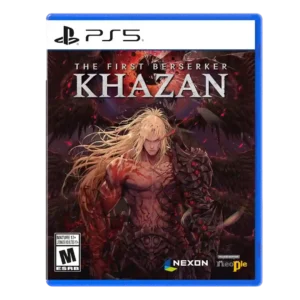
Overall: 4.0/5
Enemy variety is usually praised as sizable and fresh, though a few reviews still complain about samey enemies.
Pros: combat system, boss design
Cons: narrative quality, difficulty balance