If you want better polish
Choose The Legend of Heroes: Trails beyond the Horizon. It scores 5.0 vs 2.5 for polish, with a 3.6 overall score.

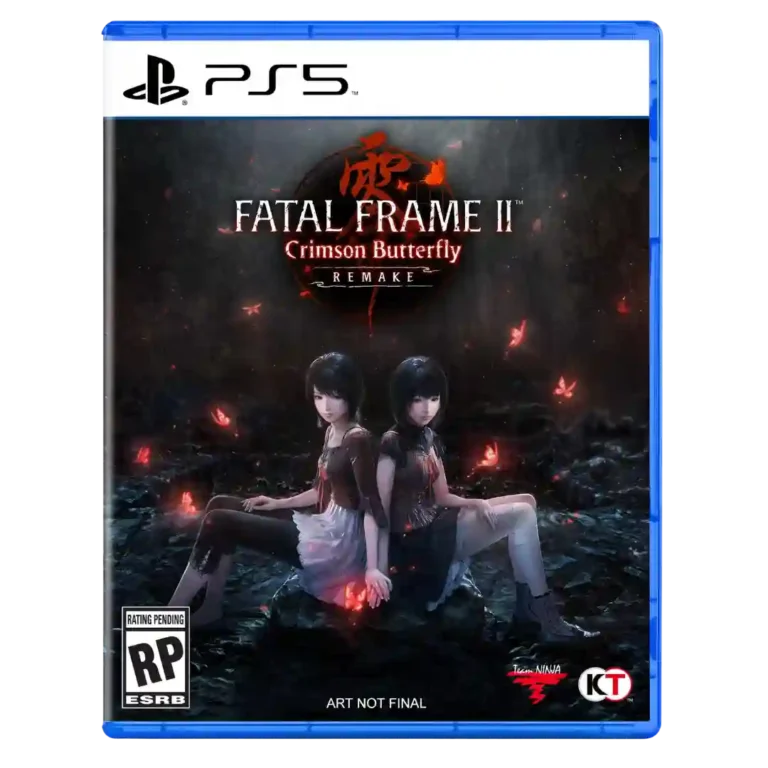
Choose it for oppressive atmosphere, a tragic story, superb sound, striking visuals, and distinctive camera combat. Skip it if slow movement, health-regenerating wraiths, long fights, or 30 FPS console performance are dealbreakers.
Best for survival-horror players who value oppressive atmosphere, tragic storytelling, exploration, and unusual camera-based combat. It is also a strong entry point for newcomers willing to learn its systems.
Skip it if slow or heavy movement, long health-regenerating ghost fights, or 30 FPS console performance quickly frustrate you. Purists who want the original fixed-camera tension may also prefer an older version.
Fatal Frame II: Crimson Butterfly Remake preserves the tragic mystery and oppressive atmosphere that define its cult-horror appeal, while modern lighting, detailed environments, excellent sound, and strong voice work make Minakami Village more vivid than ever. The Camera Obscura remains a uniquely tense combat idea, and added side stories, upgrades, and endings give returning players meaningful reasons to explore. The tradeoff is that modernization is uneven: aggravated wraiths can refill health and stretch fights into repetitive slogs, Mio can feel slow or stiff under pressure, and console performance is widely criticized for its 30 FPS cap and occasional stutter. It is a strong remake with real friction, especially for purists or performance-sensitive players.
Compared with other Video Games, this product is above average in save system reliability, checkpoint system, writing quality, near average in horror tension, lore depth, below average in haptic feedback integration, DLC value, performance optimization.
| Attribute | This product | Category average | Difference |
|---|---|---|---|
| haptic feedback integration | 1.0 | 3.9 | -2.9 |
| DLC value | 1.0 | 3.5 | -2.5 |
| performance optimization | 2.0 | 3.8 | -1.8 |
| HUD clarity | 1.0 | 3.1 | -2.1 |
| frame rate stability | 2.2 | 3.7 | -1.6 |
| save system reliability | 5.0 | 3.0 | +2.0 |
| battle mode quality | 2.0 | 4.0 | -2.0 |
| bug frequency | 1.0 | 2.9 | -1.9 |
Choose The Legend of Heroes: Trails beyond the Horizon. It scores 5.0 vs 2.5 for polish, with a 3.6 overall score.
Choose Atomfall. It scores 5.0 vs 2.2 for frame rate stability, with a 3.6 overall score.
Choose Ghost of Yōtei. It scores 4.9 vs 2.0 for performance optimization, with a 4.4 overall score.
Choose Pragmata. It scores 4.9 vs 3.7 for fun factor, with a 4.3 overall score.
Products reviewers directly compared with this model, grouped into quick takeaways.
Yes. The atmosphere, sound, darkness, ghost design, and slow-burn tension are repeatedly praised, though some players think the modern camera and stronger combat options reduce the fear compared with older versions.
It remains distinctive and can be tense and satisfying, especially around Fatal Frames. The main complaint is that aggravated wraiths can regain health and turn ordinary fights into long, repetitive slogs.
Generally yes. Dodging, lock-on, clearer navigation, difficulty choices, and modern controls make it one of the more approachable ways into Fatal Frame, even if the camera systems still take time to learn.
Console performance is a recurring weakness. Multiple sources criticize the 30 FPS cap and report stutter or frame drops, while PC impressions are more favorable when hardware is capable.
Yes. Multiple endings, New Game+, higher difficulties, side stories, missed ghosts, collectibles, and upgrades give players several reasons to return.
Many will, because the core story and atmosphere remain recognizable and the new content is usually well integrated. Purists may dislike the over-the-shoulder camera, added hand-holding, and more elaborate combat systems.
These are a few of the reviews included in our analysis.


Fatal Frame II: Crimson Butterfly Remake Game Review, all about the game and what to expect in Fatal Frame II: Crimson Butterfly Remake
Summary Pros Camera gameplay smartly hones-in on scares. Fascinating and grim world. Legitimately terrifying audiovisual design. Cons...
Fatal Frame II: Crimson Butterfly Remake is a full remake of the 2nd installment in the classic Japanese horror adventure game series...
Ben reviews FATAL FRAME II: Crimson Butterfly REMAKE, a a haunting, modernized tribute to the golden age of survival horror.
The Fatal Frame 2 Remake preserves the original while introducing meaningful updates, though its source material often weighs it down.

Best for fluid traversal, rewarding exploration, striking art, and forgiving quality-of-life features. Skip it if you want deep combat, radical genre innovation, or consistently demanding bosses.
Pros: difficulty balance, boss design
Cons: innovation, sandbox freedom

Good if you want fast, tactical roguelite combat with huge progression depth, striking art, and standout music. Skip it if repetition, resource micromanagement, or a less emotionally satisfying sequel story...
Pros: combat system, progression system
Cons: originality

Good if you want a beautiful, demanding survival sandbox built around exploration, building, progression, and memorable co-op. Skip it if long resource runs, harsh death recovery, and deliberate pacing sound...
Pros: town-building system, exploration quality
Cons: grind level, fast travel convenience

Best for joyful destruction, dense exploration, and a charming DK-Pauline adventure. Skip it if camera quirks, frame-rate dips, easy bosses, or premium Switch 2 pricing are dealbreakers.
Pros: fun factor, world interactivity
Cons: frame rate stability, boss design