
Clair Obscur: Expedition 33 Feature Scores
Overall Scorata score: 4.5/5
Based on 40 analyzed reviews · View source samples
Explore all 98 feature scores for Clair Obscur: Expedition 33, organized into pros and cons.
Scores by Feature
Summary
98 reviewed features-
Very positive 4.5-5.041 (42%)
-
Positive 3.5-4.436 (37%)
-
Neutral 2.5-3.415 (15%)
-
Negative 1.5-2.46 (6%)
Pros
Sort
-
The score is the clearest artistic consensus, praised for memorable melodies and an unusually broad mix of orchestral, choral, jazz, and heavier styles. Music actively shapes the emotional journey rather than simply accompanying it.
-
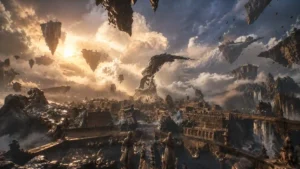
Surreal landscapes and Belle Époque influences give the game a distinctive painterly identity. Cohesive color, architecture, creatures, and cultural motifs repeatedly make its world memorable.
-
The visual presentation is broadly considered exceptional, from impossible landscapes to detailed cities and dramatic combat. A few accounts note muted repetition or blur, but admiration for the scenery is widespread.
-
Voice acting is one of the strongest points of agreement, with emotional nuance and believable chemistry throughout the ensemble. Strong performances often carry scenes even when a player questions the plotting.
-
The blend of turn-based planning and reactive defense is the most consistent gameplay highlight. Precise counters, party synergies, and powerful builds make battles exciting, although sustained timing demands can become tiring.
-
The overall response is strongly enthusiastic, with many accounts placing the game among their favorite RPGs. Reservations focus on navigation, platforming, demanding timing, and a finale that does not work equally well for everyone.
-
The story frequently inspires tears and lasting reflection through its treatment of loss, mortality, and family. A few players find the emotional effect shallow or weakened by the late twist.
-
The ambitious story is broadly praised for its mortality, grief, and family themes. Its final act is more divisive: some find the reveals profound, while others feel they disrupt an already compelling premise.
-
The RPG systems offer substantial depth through character-specific rules, equipment effects, and stackable passives. Strong strategic freedom is balanced against a learning curve and occasionally cumbersome presentation.
-
The game openly borrows familiar RPG ideas but combines them into a distinct French artistic and narrative identity. Most accounts find the result refreshing rather than derivative.
-
Natural character writing and substantial themes give the story unusual humanity. A few accounts criticize late structural twists or obscurity, but strong writing remains a central reason to play.
-
The party is widely admired for believable motives, vulnerabilities, and personal growth. Optional relationship scenes are less consistent, and some important development is too easy to miss outside the main route.
-
The French-inspired world has a distinct identity, with its culture, history, and looming mortality woven into the setting. Some players wish more context emerged naturally during the main journey instead of optional conversations.
-
Pictos and Lumina turn new discoveries into lasting growth and encourage distinctive character builds. Gradually unlocking mechanics keeps progression rewarding without demanding constant equipment replacement.
-
The reviewed purchase prices are widely considered excellent value for the quality and scope. Subscription access strengthens that recommendation, even for players with reservations about the final act.
-
Active defense and layered character systems refresh the turn-based formula without discarding strategic planning. Several accounts see it as an influential direction for the genre.
-
The balance of tragedy, warmth, and absurd humor is usually admired. Occasional melodrama or abrupt shifts can stand out, but most accounts find the lighter moments support rather than undermine the story.
-
Party conversations often sound like real people talking, with warmth, interruption, and convincing chemistry. Some players want richer camp interactions, clearer answers, or more comments about the world during exploration.
-
Humor usually provides welcome warmth through Gestral absurdity and affectionate party banter. A few comic-relief moments feel forced, but most accounts find the lighter material fits the serious story.
-
Timed attacks and defensive reactions make enemy turns as engaging as the player’s own. The same demands can become tiring, and defensive timing cannot simply be removed with the offensive QTE toggle.
-
Timed defense, free aiming, elemental interactions, and distinct character rules keep battles active. Some players want free aiming expanded or less dependence on parrying.
-
Surreal creatures and varied attack patterns give enemies memorable identities. A few accounts find their designs less original or their late-game movesets too repetitive.
-
Distinct characters bring their own combat identities rather than functioning as interchangeable party slots. Most accounts enjoy the full ensemble, although learning every member’s rules takes effort.
-
The opening quickly establishes the setting, personal stakes, and central mystery without lengthy exposition. Its emotional impact is repeatedly singled out as unusually strong.
-
The comparatively compact campaign is usually praised for leaving players satisfied without overstaying its welcome. Optional areas allow a longer adventure for those who want more.
-
The overworld rewards detours with useful equipment, lore, bosses, and distinctive scenery. Opinions are less uniform inside dungeons, where linear routes and missing maps can blunt the pleasure of discovery.
-
The focused campaign usually avoids filler and excessive exposition. Some players find later battles exhausting, certain stretches padded, or the final act less directed than the opening sections.
-
Beauty and unease combine into a distinctive melancholy atmosphere. Music and surreal environments reinforce the sense of visiting a world both alluring and unsettling.
-
Detailed scenery and environmental storytelling make regions rewarding to examine. Architecture, ruined landscapes, and small visual clues communicate a sense of history beyond dialogue.
-
The classic overworld is widely enjoyed for its charm and gradually expanding access. Players expecting a densely interactive, fully open RPG may find its scope constrained.
-
Expedition journals and layered background details make the world worth understanding beyond the central mission. The strongest accounts find even collectible lore moving and purposeful.
-
Stylish battle entrances and expressive motions give the characters personality. Dialogue and cinematic animation are less consistent, with some scenes showing stiffness or technical problems.
-
Combat and discovery produce substantial enjoyment, with some accounts describing extraordinary enthusiasm. That pleasure is more qualified when traversal or repeated battles feel ordinary or tiring.
-
Many bosses combine spectacle with meaningful tactical or timing tests, making victories memorable. Optional difficulty spikes and lengthy attack strings can also feel exhausting or poorly calibrated.
-
Optional bosses and powerful build combinations provide substantial life beyond the main story. The emphasis on more combat is a strength for enthusiasts, although repetition and sharp difficulty spikes can limit its appeal.
-
New Game Plus and the range of party builds give enthusiastic players strong reasons to return. Others see limited new decisions or feel satisfied after one campaign, so repeat-play appeal depends heavily on enjoying the combat.
-
Focused skill trees give characters meaningful offensive and support options without overwhelming them with tiny upgrades. Their compact structure helps keep the broader combat system approachable.
-
Many tested systems deliver a strong experience, including PCs running reduced settings. Steam Deck results depend more on configuration, with the default profile drawing criticism despite much better tuned performance.
-
AP generation creates satisfying tradeoffs between building resources and spending them on powerful combinations. Refillable supplies and accessible upgrade or respec resources reduce some familiar RPG management friction.
-
Combat sounds often give counters and attacks satisfying weight, while useful audio cues support defensive timing. A few accounts criticize repetitive effects, weak footsteps, poor balancing, or music cutting out.
-
Flashy attacks and particle effects make battles spectacular. Heavy blur, extreme lighting, and overbright areas occasionally reduce clarity instead of adding impact.
-
The outfits and hairstyles are generally admired for being attractive, expressive, and sometimes delightfully silly. Later cosmetic additions preserve that appeal, with occasional personal dislikes.
-
Journals, costumes, music records, and other hidden finds give collection meaningful rewards. The journals are especially valued for deepening the history and emotional weight of earlier expeditions.
-
Weapon upgrades and scaling encourage deliberate combinations of equipment, stats, and passives. Keeping favorite weapons useful adds flexibility to character development.
-
Distinct enemies and regional mechanics generally keep encounters fresh. Some late-game accounts find the variety stagnates as familiar foes repeat a small set of attacks across longer fights.
-
Side characters can bring surprising warmth, humor, and emotional depth even in brief appearances. Interest varies, with some camp conversations or comic-relief moments feeling less compelling.
-
The investment in the cast is repeatedly judged to have paid off. Strong casting helps make the characters convincing and the dramatic stakes feel real.
-
Regular fights demand attention instead of becoming passive menu selections. That constant involvement delights some players but makes repeated low-stakes battles feel like work for others.
-
Optional exploration and special encounters provide useful rewards that can meaningfully change a build. The streamlined equipment approach helps avoid inventories full of disposable junk.
-
Mastering enemy timing can feel exceptionally fair and rewarding, but reactions to the balance vary sharply. Common complaints include lethal optional fights, limited differences between difficulty settings, and overleveling that trivializes the finale.
-
The world and performances can hold attention for hours and remain memorable afterward. Similar character faces, inconsistent surfaces, or a lack of emotional connection occasionally interrupt that absorption.
-
Cinematic presentation can feel impressively directed and emotionally convincing. Some scenes are less successful, with stiff motion, inconsistent animation, or limited visual staging.
-
Cinematic camera cuts can make successful counters feel dramatic and satisfying. Tight spaces occasionally produce frustrating camera behavior outside those highlights.
-
Several playthroughs report no crashes at all. One prerelease account records at least a dozen, making stability strongly dependent on the tested setup and version.
-
Several accounts find different party compositions viable and complementary. Extreme optimized builds can still concentrate around one or two especially powerful characters.
-
Retries and reserve-party options help limit the frustration of losing a battle. Death is less disruptive when it does not erase substantial progress or upset exploration position.
-
Some accounts find the game unusually complete and polished for its scope. Small technical faults remain, but they often do little to undermine the overall package.
-
Gustave’s vulnerability, curiosity, and determination make him more convincing than an unfailingly confident hero. His relationships help ground the wider mission in personal stakes.
-
Several accounts praise the gradual introduction of systems and helpful character tutorials. Others find the Picto and Lumina explanation too rough, leaving important concepts unclear until later.
-
Frame-rate stability varies by platform, mode, and scene. Several accounts report only minor stutters, while others describe console dips or handheld frame pacing that can interfere with timing-heavy combat.
-
The substantial free content update is warmly welcomed. New locations, fights, and cosmetics provide meaningful reasons to return without another purchase.
-
The complete single-player purchase is strongly appreciated. Its straightforward package and price fit the kind of game this reviewer wants to buy.
-
The nonsexualized treatment of the teenage party member is explicitly appreciated. The approval concerns respectful portrayal rather than the amount of sexual content.
-
Optional quests range from meaningful story extensions to material that feels tacked on or underdeveloped. Missing tracking tools and awkward return routes can make following them inconvenient.
-
Streamlined equipment and refillable resources reduce familiar inventory chores. Equipment comparison can still feel clunky in the account that criticizes the management interface.
-
Steam Deck play can be attractive and responsive after settings adjustments. Default presets receive much weaker feedback, so handheld suitability depends on willingness to configure the game.
-
The adventure is appreciated as a complete, carefully developed package. Its scope feels deliberate rather than rushed or undercooked.
-
The eerie, surreal world is praised for creating intentional unease. Creepy elements deepen its dreamlike identity rather than feeling incidental.
-
Both the English and French voice tracks receive strong praise in the account that compares them. Either language can support an excellent performance-led experience.
-
The lack of microtransactions is explicitly welcomed as part of the package. It reinforces the appeal of a complete single-player adventure.
-
Visible enemies and largely optional battles give useful control over encounter frequency. Players can choose when to engage and gain an opening advantage by striking first.
-
A solo-character run is described as rewarding even on Expert difficulty. The passive system allows a highly specialized approach instead of requiring the usual full-party strategy.
-
Some accounts value consequential late choices and different endings. Others find ordinary conversations offer little agency, while the final decision presents troubling tradeoffs rather than an easy resolution.
-
Frequent checkpoints help soften the cost of fast, punishing battle deaths. They provide useful reassurance when a missed reaction can end an encounter quickly.
-
Console visual modes can both look excellent, with some preference for Quality despite drops. The default Steam Deck preset draws criticism for restricted options and blurry output.
-
Steam Deck responsiveness improves substantially after adjusting the default frame-rate configuration. The initial fluctuating setup can introduce noticeable input delay.
-
The use of AI-generated placeholder textures is criticized. Their prompt removal and the studio’s response earn qualified approval rather than erasing the original concern.
Cons
Sort
-
Missing local maps are among the most repeated complaints, causing circular routes, frustrating backtracking, and difficulty remembering quest locations. Even the overworld could label visited areas more clearly.
-
Optional platforming is a recurring weak point, with slippery footing, uncertain grabs, and frustrating resets. A minority enjoys the courses and finds that they use the movement system well.
-
Long Picto and Lumina lists are a common source of friction, with cluttered screens, unclear labels, and awkward filtering. Updates improve legibility for some players without fully solving the organizational burden.
-
Enemy feints and intentionally deceptive timings can make defensive reactions difficult to read. Busy visuals and unfamiliar attack strings sometimes turn the learning process into frustration.
-
One account finds the experience too concentrated on fighting, with little else to do between battles. Players seeking a broad mix of RPG activities may feel the limitation.
-
Tiny turn-order indicators and missing elemental information make the battle HUD harder to interpret. Color dependence adds difficulty for a partially color-blind player.
-
Pausing a cinematic provides no useful adjustment options in the account that evaluates it. That limitation is especially frustrating when dialogue volume needs correction.
-
The battle interface has admired visual style, but dense customization screens often sacrifice clarity. Color-coding improvements help readability, while missing references and cramped layouts still create friction.
-
Exploration offers little puzzle or environmental-hazard challenge in the account that evaluates it. Combat carries most of the mechanical interest.
-
Movement divides opinion: one account finds it nimble and tight, while others describe sliding, floatiness, or clumsy traversal. Its limitations become most apparent during precise jumps.
-
Some players appreciate forgiving settings and the freedom to focus on the story. Others find mandatory defensive reactions, limited automation, and tiny color-dependent indicators significant accessibility barriers.
-
Early accounts regret the absence of a photo mode in such a striking world. A later account enthusiastically praises the added mode’s filters and unusually free camera.
-
Environmental storytelling can make locations feel meaningful and rich with history. Physical interaction is much thinner, and inconsistent climbable surfaces occasionally expose the scenery as a backdrop.
-
Beach minigame requirements can make the achievement path frustrating. A player who enjoys trophy hunting still finds these challenges a potential barrier to completion.
-
One romance subplot is appreciated for giving a character room to assert herself. Its emotional direction remains mixed because expectations for the future may be misplaced.
-
Optional minigames offer a welcome change of pace for some players. Others find them clunky and intensely frustrating, particularly when they demand platforming precision.
-
Shared passive learning and generous progression can reduce routine grinding. Repeated reactive battles may still feel laborious, and excessive leveling can remove satisfying challenge.
-
Reported problems range from minor visual glitches and geometry snags to recurring audio failures. One account encounters a quest-blocking bug, while later playthroughs sometimes report nearly flawless behavior.
-
Subtle expressions and motion capture can make conversations unusually convincing. Lip-sync problems, uncanny faces, and uneven in-game animation remain noticeable complaints in several accounts.
-
Character-specific rules and layered passives can initially feel overwhelming. Most players find that understanding them pays off, though the effort required varies with familiarity and timing confidence.
-
Linear dungeons help keep the adventure focused, and some areas reward curiosity with layered routes and secrets. Other players find the layouts shallow, repetitive, or too dependent on winding corridors.
Use Cases
Best for
Sort
-
Story-focused RPG players are strongly served by the character writing, emotional performances, and central mystery. The late reveals and dependence on optional conversations create the main reservations.
-
Build enthusiasts are especially well served by Pictos, Lumina, weapon scaling, and distinct party mechanics. The scope for experimentation is a major strength even when the menus make organizing it awkward.
-
Classic JRPG fans get an affectionate blend of overworld exploration, turn-based tactics, and memorable party storytelling. Active defense and a distinctive artistic identity make the nostalgia feel fresh.
-
Players seeking reflection on grief may find the family themes unusually resonant. Its treatment of loss is often moving and nuanced, although the intensity can be emotionally demanding.
-
Reflective narrative fans get substantial questions about mortality, art, responsibility, and loss. The story invites interpretation and can remain thought-provoking long after the ending.
-
Exploration-focused players can find worthwhile bosses, lore, and equipment away from the main route. Suitability is mixed for those expecting expansive interactive dungeons or clearly signposted late-game progression.
-
Plot-twist seekers get repeated revelations that reframe characters and the larger journey. Many find them surprising and earned, though the final-act direction is more divisive overall.
-
Challenge seekers get demanding bosses, precise counters, and substantial optional mastery tests. The strongest appeal is learning encounters and building a team capable of overcoming them.
-
Players seeking spectacular power can create builds that deal extraordinary damage and overwhelm enemies. Extreme strength is often celebrated as a reward for understanding the systems.
-
Players who like discovering routes and configuring teams themselves have considerable freedom. Minimal quest guidance supports ownership of discoveries but requires remembering what to revisit.
-
Completionists have substantial optional content to pursue, including collectibles and superbosses. Missing map labels, awkward minigames, and extreme challenges can make full completion more frustrating than the main campaign.
-
Genre newcomers can find the systems approachable with tutorials and suitable difficulty settings. Distinct character rules still require attention, but unfamiliarity with turn-based games need not be a barrier.
-
Handheld players can achieve a good Steam Deck experience by lowering settings and tuning the frame-rate configuration. The default setup is less dependable than the adjusted results.
-
The scenery strongly appeals to players who like taking photographs. Early missing-tool complaints contrast with later praise for extensive filters and camera freedom.
-
Action RPG fans can enjoy the real-time dodges, parries, and harder difficulty options within a turn-based structure. The combination preserves planning while rewarding reflexes.
-
Collectathon fans have costumes, journals, music, and hidden creatures to seek out. The variety of finds gives thorough searching a clear purpose.
-
Grimdark fans are explicitly encouraged to play for the bleak premise and emotionally weighty story. Its treatment of mortality and grief is the central attraction.
-
The free updates give returning players attractive new locations, cosmetics, and demanding fights. Familiar combat can come back naturally while still leaving room for new build experiments.
-
An Expert first run can be rewarding for a player comfortable with tailored builds and precise defense. The account supporting this approach uses an unusually specialized solo-character setup.
-
One reviewer finds the optional platforming courses enjoyable and well suited to the movement. This is a more favorable view than the broader reaction to the game’s precision challenges.
Conditional or not ideal for
Sort
-
Timing-averse playersPlayers who dislike timed defense are a poor fit for the central combat loop. Offensive QTE automation does not remove the need to react to incoming attacks, especially in difficult optional content.
-
Casual gamersCasual players seeking forgiving fights may struggle with the reactive defense requirements. Optional enemies can remain lethal even when easier settings are selected.
-
Players sensitive to low frame ratesPlayers sensitive to frame pacing should be cautious about the default Steam Deck configuration. Fluctuating performance can interfere directly with reaction-based defense.
-
TV gamingTV play can make the smaller menus and text difficult to read. This account identifies interface scaling as a practical concern for the couch setup.
-
Trophy huntingTrophy hunting can feel genuinely accomplished, but beach challenges are a major obstacle. Their awkward precision requirements may be more frustrating than the combat trophies.