Best for economy and resource balance
The Last of Us Part II Remastered
5.0 attribute score
Highest scored product for this attribute based on supporting review evidence.

Highest scored product for this attribute based on supporting review evidence.
Balances the attribute score, supporting reviews, and overall product strength.
Has the broadest review evidence for this attribute.
Strongest overall product among items with scored evidence for this attribute.
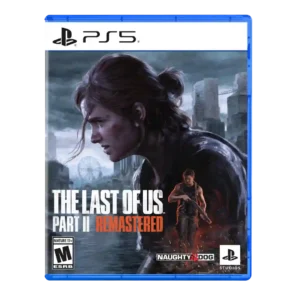
Resource balance was praised for keeping ammo and materials scarce enough to make survival tense.
Pros: content variety, narrative quality
Cons: pacing

Experience and other currencies arrive at a pace one reviewer considered fair, allowing steady upgrades without turning progression into a chore.
Pros: narrative quality, combat system
Cons: onboarding experience, difficulty balance
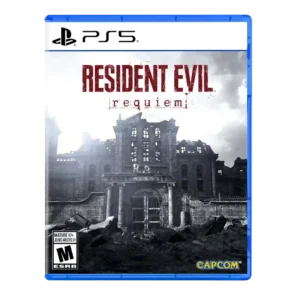
Resource balance was praised for forcing tactical decisions about injectors, ammo, and room-clearing.
Pros: pacing, combat system
Cons: originality
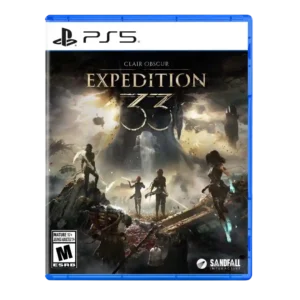
Resource balance was praised for avoiding inventory tedium and excessive item hoarding.
Pros: narrative quality, combat system
Cons: map and navigation design, menu usability

Resource balance is praised where simplified material categories and less strict upgrade paths encourage more engagement.
Pros: combat system, narrative quality
Cons: grind level, innovation
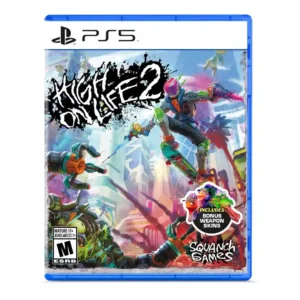
Currency and upgrade spending can give exploration tangible value, with useful improvements tied to finding resources rather than pure grinding.
Pros: writing quality, fun factor
Cons: bug frequency, combat system
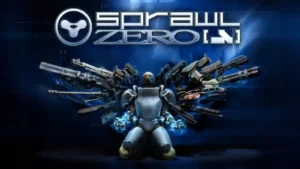
Health and adrenaline systems reward smart ability use, giving Bullet Time, shields, and other powers a meaningful role in resource management.
Pros: fun factor, core gameplay loop
Cons: difficulty balance, narrative quality

The Drive Gauge's resource design was praised as a balanced risk-reward system with meaningful consequences.
Pros: accessibility options, combat system
Cons: narrative quality, frame rate stability

The Soul system’s give-and-take creates an enjoyable resource rhythm when earning and spending Souls is working well.
Pros: narrative quality, combat system
Cons: remake/remaster quality, value for money

Reviewers respond very positively to the economy and resource balance, describing it as a notable strength of the overall experience.
Pros: narrative quality, fun factor
Cons: grind level, learning curve

Resource balance was praised in at least one case for quality-of-life touches like reclaiming traps and saving materials.
Pros: combat system, narrative quality
Cons: difficulty balance, endgame content
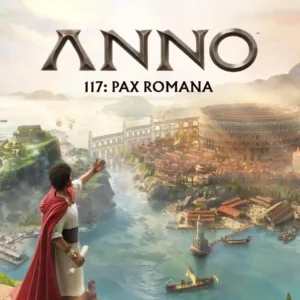
Trade, production chains, workforce management, and inter-island logistics are among the game’s strongest systems, rewarding planning while still allowing cascading failures when one link breaks.
Pros: fun factor, graphics quality
Cons: learning curve, bug frequency

Materials and faction economies give players useful goals beyond simple kills, while barter rewards make salvage feel valuable. The better implementations keep resources circulating without completely removing the consequences of...
Pros: fun factor, loot system
Cons: difficulty balance, quest design

Limited TMs and version-specific Game Corner costs make resource choices matter more than in newer entries, rewarding careful planning but sometimes creating avoidable friction.
Pros: fun factor, faithfulness to franchise
Cons: remake/remaster quality, value for money
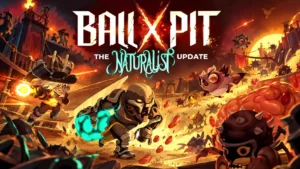
Harvesting turns resource gathering into another bouncing game, and efficient layouts can feel wonderfully productive. Repositioning buildings and unreliable early yields make the economy more tedious for less enthusiastic planners.
Pros: fun factor, upgrade system
Cons: user interface design, grind level
Resource balance was mostly praised for satisfying pressure and strong management hooks, though some reviewers found it irritating or overly punishing.
Pros: narrative quality, replay value
Cons: difficulty balance, pacing
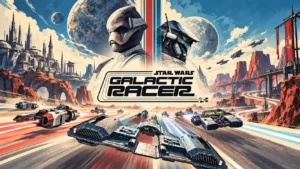
Generous credits and upgrades usually keep builds moving forward, and wagers add extra purpose to multiplayer races. Some encounter options are hard to afford, while equally priced parts do not...
Pros: fun factor, overall quality
Cons: difficulty balance, pacing

The economy is forgiving, with credits and cars arriving quickly; reviewers generally prefer generosity, though it may weaken the feeling of earning rewards.
Pros: graphics quality, driving mechanics
Cons: world interactivity, AI behavior

Coins compete between saving and supplies, while bullets can open routes as well as defeat enemies. That shared economy creates satisfying decisions for many, but shortages and disappointing exploration rewards...
Pros: overall quality, atmosphere
Cons: boss design, movement feel

Turning carefully prepared relics into large profits is deeply satisfying, but expensive upgrades and numerous money sinks can make early progress feel tight or overextended.
Pros: core gameplay loop, difficulty balance
Cons: narrative quality, load times

Economy and resource balance has limited positive evidence, mainly around resource meters preventing gadget and charm abilities from being spammed.
Pros: stealth mechanics, combat system
Cons: pacing

Resource balance has limited evidence, but the repkit health option is judged useful when health drops are unavailable.
Pros: movement feel, loot system
Cons: performance optimization, narrative quality
Haze tying leveling, upgrades, and purchases together creates meaningful tradeoffs for some players, while others dislike having one resource compete across so many progression needs.
Pros: fun factor, narrative quality
Cons: boss design, exploration quality

Resource balance is helped by systems that reduce monotonous grinding through purchasing or targeting materials.
Pros: core gameplay loop, narrative quality
Cons: crafting system, multiplayer design
Looted materials feed directly into crafting and upgrades, giving resource gathering a useful purpose rather than making it feel purely collectible.
Pros: narrative quality, side character depth
Cons: combat system, polish
Resource economy was central to the experience and heavily discussed; most praised the tension of scarcity, while some found it stingy, nuisance-heavy, or frustrating.
Pros: combat system, narrative quality
Cons: boss design, puzzle design
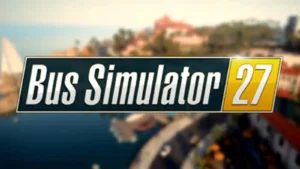
Company management is usually satisfying and approachable, with hiring, routes, fleets, and visible AI drivers, but some systems feel shallow, buggy, or too simplistic.
Pros: open-world design, fun factor
Cons: AI behavior, polish

Economy and rewards are mixed: reviewers like constant rewards, but some feel cars and prize-wheel elements can dilute progression.
Pros: graphics quality, accessibility options
Cons: AI behavior, difficulty balance
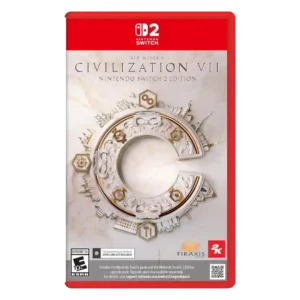
Resource, influence, town/city, and balance systems drew praise for meaningful choices and diplomacy, but some reviewers found influence, gold, or console resource management confusing or unbalanced.
Pros: fun factor, economy and resource balance
Cons: progression system, user interface design

Resource balance was mixed: time pressure created urgency, but another review felt blood management became too trivial by the end.
Pros: narrative quality, voice acting
Cons: bug frequency, menu usability

Trade, markets, production, population needs, and logistics form a deep economic simulation that many reviewers love. The same complexity can become opaque, frustrating, or unreliable when automation makes poor choices.
Pros: gameplay mechanics, fun factor
Cons: learning curve, AI behavior
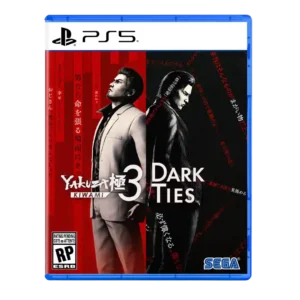
Money is generally easy to earn and upgrades stay affordable, which keeps progression moving but can also reduce resource pressure.
Pros: fun factor, combat system
Cons: pacing, battle mode quality
Bullets that double as currency create a memorable choice between buying supplies and surviving a fight. Scarcity adds tension for many, but others find ammo or filters too limited, while...
Pros: graphics quality, overall quality
Cons: AI behavior, pacing
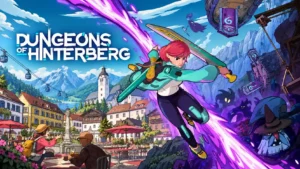
Equipment found while exploring and plentiful cash can make shop purchases less essential. This keeps resources manageable but can weaken the incentive to weigh purchases carefully.
Pros: puzzle design, social features
Cons: enemy variety, polish
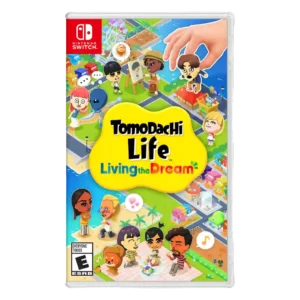
Economy impressions are mildly mixed, with one reviewer saying cash was never a problem and another joking about surprisingly high food prices.
Pros: character customization, fun factor
Cons: content variety, gameplay mechanics

Coins and rewards generally provide a useful path toward new cars, but some reviewers felt payouts or collectible rewards were too modest for the time invested.
Pros: fun factor, open-world design
Cons: collectibles, originality
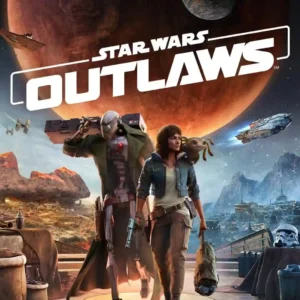
Faction discounts, credits, and rewards give choices practical stakes, though some payouts and reputation rewards feel too small to make decisions truly consequential.
Pros: fun factor, originality
Cons: stealth mechanics, combat system

Ki, Hypercharge, and spirit management can add satisfying tactical choices. Excess shop currency and ultimate attacks that rarely recharge leave others questioning how well the resource economy supports experimentation.
Pros: overall quality, difficulty balance
Cons: frame rate stability, performance optimization

A manageable tool selection and useful supplies keep tactics approachable. Repeatedly finding basic crowbars or charges can feel contrived, and abundant nearby tools sometimes weaken exploration rewards.
Pros: overall quality, level design
Cons: innovation, mission design

Using blood, healing pools, and disposable bodies creates useful tactical choices, though managing them during chaotic battles can become cumbersome.
Pros: gameplay mechanics, originality
Cons: overall quality, combat system
Money matters and expansion creates meaningful tradeoffs, but opaque revenue swings and large infrastructure costs can make finances hard to read.
Pros: user interface design, gameplay mechanics
Cons: learning curve, tutorial quality
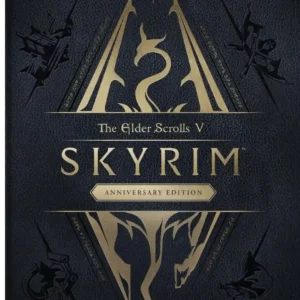
Inventory selling and merchant limits can be tedious in the base game, while Survival Mode makes food and ordinary supplies feel meaningfully valuable. Resource balance depends heavily on how the...
Pros: graphics quality, progression system
Cons: combat system, bug frequency

Resources generally support steady progression, but late-game shop limitations can leave parts of the large roster less prepared even when currency is plentiful.
Pros: combat system, fun factor
Cons: difficulty balance, pacing

Resource balance and barter drew mixed-to-positive notes for scarcity and trade tension, offset by complaints about inventory limits and unrewarding combat loot.
Pros: narrative quality, exploration quality
Cons: combat system, AI behavior
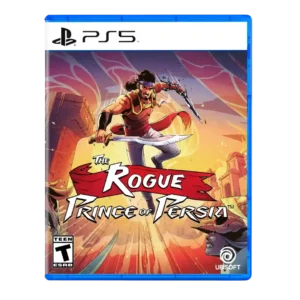
Resource balance was mixed, with one review praising plentiful unlock resources and another saying spending options run out too quickly.
Pros: combat system, movement feel
Cons: narrative quality, difficulty balance

Scarce ammunition and healing usually reinforce survival-horror tension, but some late sections hand out enough resources to blunt the threat. Inventory restrictions are generally less frustrating than in some recent...
Pros: horror tension, puzzle design
Cons: stealth mechanics, fun factor
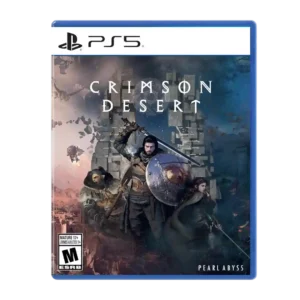
Reviewer evidence is mixed: economy and resource balance drew both praise and caveats across 3 review(s).
Pros: combat system, graphics quality
Cons: controls responsiveness, narrative quality

Economy and resource balance was mixed: some found the item economy deliberate, while others found materials too abundant or weapon resources awkward.
Pros: combat system, character roster
Cons: level design, mission design
Nagash’s economy and resource caps create meaningful decisions, but early income and scarce Necromantic Energy can feel restrictive. That tension adds strategy for some players and grind for others.
Pros: gameplay mechanics, fun factor
Cons: AI behavior, polish

Resource balance split reviewers: some liked the tension from durability, sanity, scarce supplies, and limited inventory, while others found healing scarcity or item limits frustrating.
Pros: puzzle design, narrative quality
Cons: combat system, enemy variety