Best for class balance
Tom Clancy's The Division Resurgence
4.6 attribute score
Highest scored product for this attribute based on supporting review evidence.

Highest scored product for this attribute based on supporting review evidence.
Balances the attribute score, supporting reviews, and overall product strength.
Has the broadest review evidence for this attribute.
Strongest overall product among items with scored evidence for this attribute.
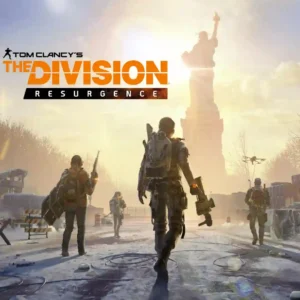
Specializations feel distinct, flexible, and complementary, with tanks, medics, gadget users, and damage roles supporting different solo and co-op styles.
Pros: content variety, controls responsiveness
Cons: narrative quality, menu usability

Class balance receives positive evidence around rebalanced vehicle classes and a more consistent class spread.
Pros: graphics quality, driving mechanics
Cons: world interactivity, AI behavior

Class balance is positive, with reviewers saying the Vault Hunters feel useful, viable, and suited to different playstyles.
Pros: movement feel, loot system
Cons: performance optimization, narrative quality

Team roles such as damage, healing, buffs, breaks, and debuffs matter enough that balanced composition can make a major difference in tougher battles.
Pros: fun factor, gameplay mechanics
Cons: monetization fairness, menu usability

World of CHEL build tradeoffs are handled well, with taller or heavier characters gaining durability or strength while sacrificing speed or acceleration.
Pros: atmosphere, gameplay mechanics
Cons: AI behavior, commentary quality

Class or archetype balance was praised through comments that every character had viable strengths and weaknesses.
Pros: accessibility options, combat system
Cons: narrative quality, frame rate stability

Build and class flexibility was praised because Avowed lets players mix archetypes freely, though balance sometimes favored magic or specific styles.
Pros: combat system, narrative quality
Cons: difficulty balance, enemy variety
Class balance was mostly praised for smart rebalancing and more useful classes, with some remaining late-game volatility.
Pros: remake/remaster quality, voice acting
Cons: content variety, camera behavior
The beta roster was perceived as broadly viable, with no character feeling clearly too strong or weak to one reviewer.
Pros: fun factor, character roster
Cons: tutorial quality, competitive balance
Class balance was mostly positive, with Samurai and Ninja both seen as viable despite some flexibility concerns.
Pros: combat system, open-world design
Cons: narrative quality, performance optimization

class balance was usually praised for distinct roles, though open weapons blurred lines for some reviewers.
Pros: multiplayer design, sound design
Cons: narrative quality, map and navigation design

The new Idus and Heavy Knight starts are generally viewed as strong, useful options for newcomers and repeat runs. A few reviewers think their early equipment can be powerful enough...
Pros: performance optimization, frame rate stability
Cons: controller ergonomics, platform-specific feature support
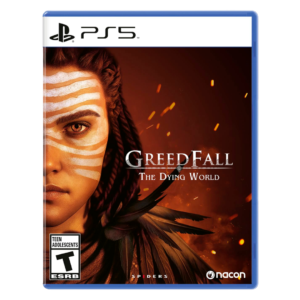
The class framework supports tanks, damage dealers, healers, ranged builds, magic, and hybrids with useful flexibility. Some builds are more awkward or less rewarding than others.
Pros: narrative quality, side character depth
Cons: combat system, polish

The class balance is generally well received, with praise outweighing the smaller reservations raised across the reviews.
Pros: narrative quality, fun factor
Cons: grind level, learning curve
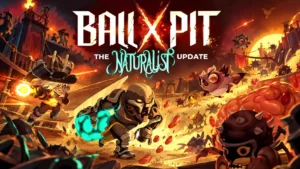
Distinctive character abilities create useful pairings and varied approaches, with many builds judged viable. Some combinations are ineffective against particular waves or bosses, and a few characters feel less enjoyable.
Pros: fun factor, upgrade system
Cons: user interface design, grind level

Class design usually creates meaningful squad roles, though balance is mode-dependent. Support can dominate Gauntlet in some accounts, while Recon ranges from replaceable to overpowered depending on the build and...
Pros: fun factor, battle mode quality
Cons: multiplayer design, replay value
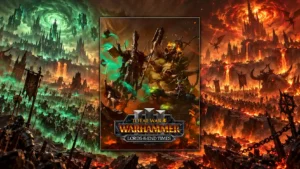
Power creep is present, but the new factions generally feel better balanced than feared. A few broader balance issues remain around individual campaigns and units.
Pros: gameplay mechanics, fun factor
Cons: AI behavior, polish
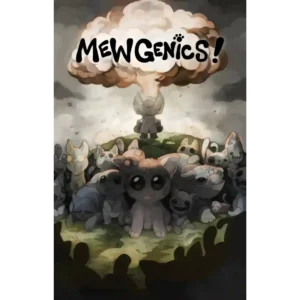
Classes generally feel distinct and capable of strong synergies, though their usefulness can vary sharply depending on random abilities, inherited traits, and team composition. The imbalance often becomes another puzzle...
Pros: combat system, soundtrack quality
Cons: difficulty balance, learning curve
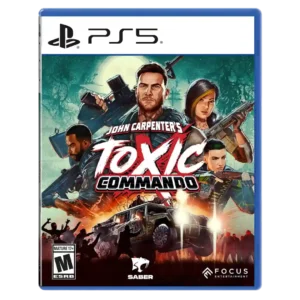
The four classes cover clear damage, healing, defense, and support roles and generally complement a squad well, though some reviewers find specific classes less engaging or their cooldowns and trees...
Pros: fun factor, combat system
Cons: mission variety, progression system
The Sams can create useful team synergies, but their effectiveness is uneven in places; Orphan Sam in particular is called dramatically stronger by one account.
Pros: co-op experience, soundtrack quality
Cons: upgrade system, faithfulness to franchise
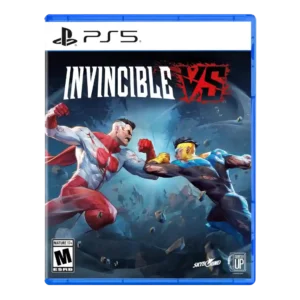
Class balance evidence was mixed, with praise for roster archetype range but criticism of character-strength gaps.
Pros: fun factor, combat system
Cons: learning curve, competitive balance

Class balance is divisive: some reviewers say all Lives feel useful, while critics see forced switching or fragmented skill design.
Pros: core gameplay loop, narrative quality
Cons: crafting system, multiplayer design
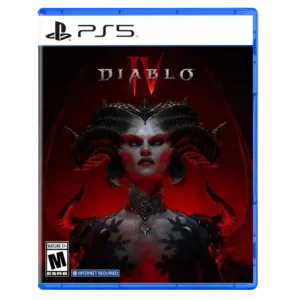
Class balance evidence was mixed to negative in expansion reviews, especially around the Paladin feeling underwhelming or passive despite power.
Pros: narrative quality, endgame content
Cons: monetization fairness, quest design
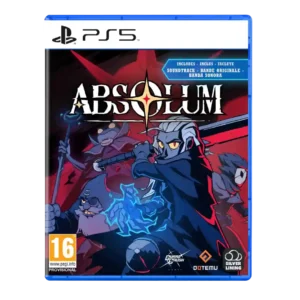
Class balance had limited mixed evidence, with at least one broken build described as trivializing the game.
Pros: combat system, replay value
Cons: narrative quality, grind level
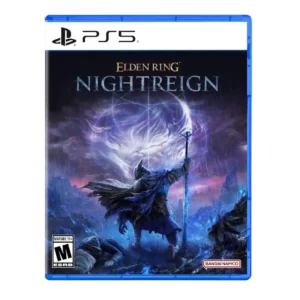
Class balance was mixed: the roster felt readable and solid, but some classes were weak or uneven in solo contexts.
Pros: co-op experience, fun factor
Cons: difficulty balance, social features
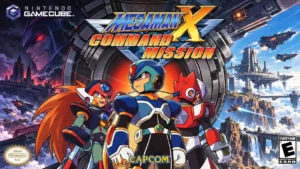
Party members can fill useful situational roles, making switching worthwhile. Heavy reliance on Cinnamon for healing and complaints about weaker fighters limit practical team variety for some players.
Pros: combat system, overall quality
Cons: fun factor, narrative quality
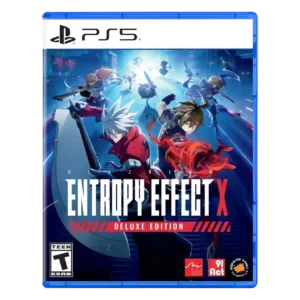
Balance between playable characters is a concern in one review, which found some avatars clearly stronger than others.
Pros: combat system, character roster
Cons: narrative quality, learning curve

The Figment roster covers many roles, but numerous characters and status types feel unnecessary when a few reliable strategies handle most encounters.
Pros: combat system, soundtrack quality
Cons: narrative quality, exploration quality

Different combat roles encourage combinations, but certain Rarities feel much stronger or more versatile than others.
Pros: gameplay mechanics, originality
Cons: overall quality, combat system
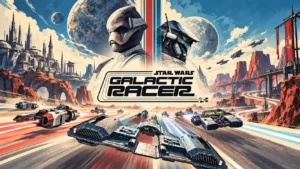
Certain vehicle builds feel too powerful relative to alternatives, especially those leaning on autodrive. That imbalance can trivialize difficult events and carry over into online competition.
Pros: fun factor, overall quality
Cons: difficulty balance, pacing
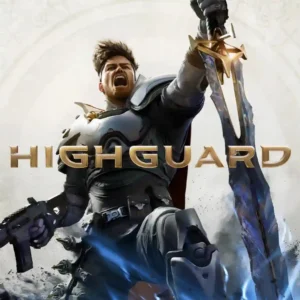
Warden balance is a recurring weakness: several characters are seen as noticeably stronger or more useful than others.
Pros: fun factor, combat system
Cons: originality, battle mode quality

Shell balance needs tuning. Assassin can feel overpowered, while Recon can lag behind stronger defensive and offensive options.
Pros: fun factor, loot system
Cons: difficulty balance, quest design

The class structure drew criticism where fixed roles or uneven options made some jobs feel less flexible or useful than others.
Pros: narrative quality, combat system
Cons: pacing, side character depth

Class building can feel driven by countering spam rather than expressing a preferred playstyle, which makes the perk and class balance feel restrictive.
Pros: multiplayer design, level design
Cons: fun factor, narrative quality

Velvet’s power is a recurring balance problem in the more critical combat takes, where her Break Soul loop can make other party members feel unnecessary.
Pros: narrative quality, combat system
Cons: remake/remaster quality, value for money
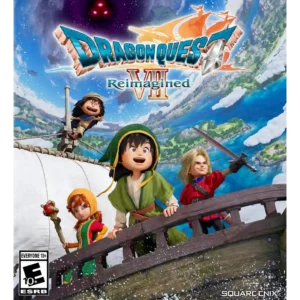
The vocation system is flexible, but some powerful jobs and combinations can overwhelm the intended challenge.
Pros: combat system, accessibility options
Cons: pacing, difficulty balance

MyGM's restrictive class and alignment systems remain a sticking point, limiting the freedom of how rivalries and matchups can be booked.
Pros: fun factor, gameplay mechanics
Cons: grind level, value for money