Best for platforming precision
It Takes Two
5.0 attribute score
Highest scored product for this attribute based on supporting review evidence.

Highest scored product for this attribute based on supporting review evidence.
Balances the attribute score, supporting reviews, and overall product strength.
Has the broadest review evidence for this attribute.
Strongest overall product among items with scored evidence for this attribute.
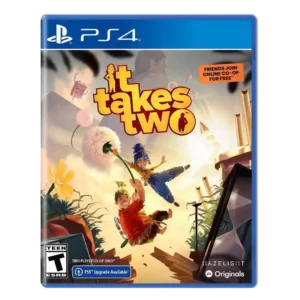
Platforming precision receives strong praise, with reviewers calling it responsive, precise, and effortless.
Pros: co-op experience, fun factor
Cons: narrative quality, dialogue quality
Traversal has been made noticeably less punishing, reducing the frustrating falls associated with the original.
Pros: remake/remaster quality, overall quality
Cons: level design, map and navigation design
The light platforming stays easy and unobtrusive rather than demanding exact execution. It adds vertical exploration without becoming cumbersome.
Pros: game length, gameplay mechanics
Cons: innovation, difficulty balance

Basic movement and flutter jumping feel dependable and rarely cause frustration. Precision is intentionally de-emphasized, though a few specialized interactions can be awkward.
Pros: art direction, exploration quality
Cons: difficulty balance, core gameplay loop

Platforming is a major strength, from precise time trials to movement puzzles. Reviewers describe the controls as smooth enough for demanding sections, although a few specific chase or stealth moments...
Pros: difficulty balance, boss design
Cons: innovation, sandbox freedom

Precise jumping and responsive traversal are repeatedly singled out as core strengths. Even when individual abilities feel slippery, the overall platforming is considered polished and satisfying.
Pros: replay value, difficulty balance
Cons: game length, boss design

The harder Training Camp stages benefit from Wonder’s precise platforming, demanding tight timing and leaving very little margin for error. Reviewers who wanted expert-level tests respond especially well to these...
Pros: fun factor, multiplayer design
Cons: matchmaking quality, map and navigation design

Platforming was repeatedly called precise and immediately satisfying.
Pros: co-op experience, content variety
Cons: writing quality, narrative quality

The campaign's best parkour section is tightly designed and stands out enough that its scarcity becomes a disappointment; more sequences built around precise movement would have been welcome.
Pros: multiplayer design, level design
Cons: fun factor, narrative quality
Wall-running is a small but well-liked traversal addition that expands movement without turning the game into a platformer.
Pros: combat system, fun factor
Cons: pacing, open-world design
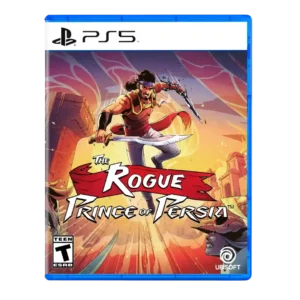
Platforming was praised for precision, flow, and expressive parkour, with only occasional complaints about awkward interactions or puzzle repetition.
Pros: combat system, movement feel
Cons: narrative quality, difficulty balance
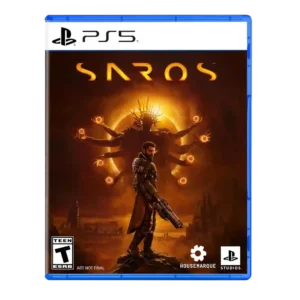
Platforming precision had limited but positive evidence around precise jumping, dodging, and reduced geometry snagging.
Pros: narrative quality, combat system
Cons: side character depth, dialogue quality

Most praise the tight hitboxes and the control needed to link jumps, boosts, and attacks. Timed demon sections are more divisive, with some finding their precision exhilarating and others finding...
Pros: overall quality, difficulty balance
Cons: frame rate stability, performance optimization

Platforming precision was a pleasant surprise, with simple mantling and vertical puzzles adding a welcome exploration layer.
Pros: combat system, narrative quality
Cons: difficulty balance, enemy variety

Platforming is viewed positively where mentioned, with reviewers saying the camera keeps platforms visible and the movement carries suitable weight.
Pros: narrative quality, atmosphere
Cons: puzzle design, fun factor

The double jump is fun and useful, but one dream segment felt less precise because Charlie lacked a visible shadow for positioning.
Pros: fun factor, puzzle design
Cons: hint system, originality
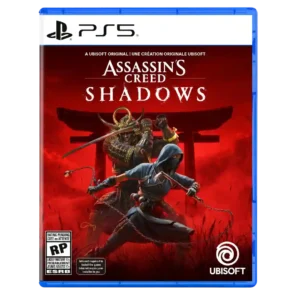
Parkour/platforming is praised for fluid acrobatics in some reviews, while another reviewer still found directional accuracy imperfect.
Pros: stealth mechanics, graphics quality
Cons: narrative quality, mission variety
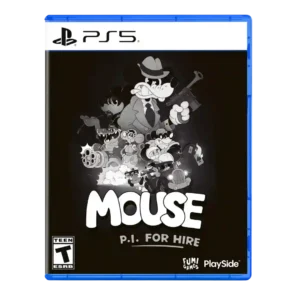
First-person platforming feels sharper and more forgiving than expected, with quick respawns reducing frustration after missed jumps.
Pros: fun factor, art direction
Cons: weapon balance, gameplay mechanics

Platforming is often praised as tight, precise, and rewarding, though several reviewers flag optional challenge rooms or late-game traversal as frustrating or inconsistent.
Pros: combat system, faithfulness to franchise
Cons: narrative quality, frame rate stability
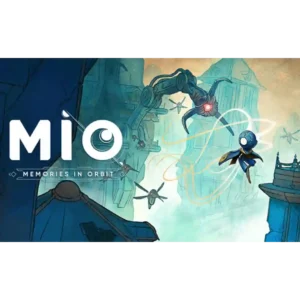
Platforming can produce some of the game’s most satisfying flow-state moments, especially once Mio’s full movement kit comes together. It can also become extremely demanding, with Hairpin inconsistency and long...
Pros: movement feel, originality
Cons: difficulty balance, combat system

Platforming is mostly responsive and forgiving, but tandem precision sections and occasional hitbox issues can cause frustration.
Pros: fun factor, puzzle design
Cons: difficulty balance, narrative quality

Chaining jumps, dives, and attacks can feel precise and rewarding; occasional missed ledges and awkward glides undermine that precision for some.
Pros: content variety, family friendliness
Cons: collectibles, level design

Platforming and climbing are mixed: one review says climbing is improved, while others call it awkward or overly gamified.
Pros: combat system, narrative quality
Cons: grind level, innovation
New climbing and jumping expand traversal, but mantling rules are not always readable; some walls look climbable but reject input, creating avoidable frustration.
Pros: combat system, graphics quality
Cons: exploration quality, mission design

Platforming precision is promising because of freer movement, but one reviewer flagged beam-to-beam delay and sluggishness as a concern.
Pros: graphics quality, remake/remaster quality
Cons: DLC value, multiplayer design

The vine-based platforming is inventive and opens creative routes, but placement can be imprecise. Missing targeting guidance sometimes sends structures somewhere other than intended.
Pros: combat system, companion AI

Platforming precision is mixed: reviewers admire Hornet’s acrobatics, but several criticize the diagonal pogo or inconsistent bounce feel.
Pros: difficulty balance, art direction
Cons: economy and resource balance, checkpoint system

Platforming precision drew mixed reactions: some praised focused platforming, while others felt precision was secondary, wonky, or occasionally a chore.
Pros: fun factor, world interactivity
Cons: frame rate stability, boss design

Parkour and traversal challenges add variety, but contextual jumps and guided routes can feel mindless rather than precise.
Pros: fun factor, combat system
Cons: originality, level design
The snap system helps platforming, yet depth perception, small ledges, and inconsistent latching still caused frustration for some players.
Pros: co-op experience, puzzle design
Cons: controls responsiveness, replay value
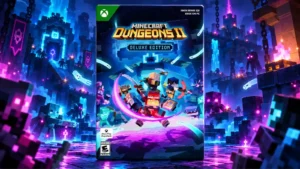
The jump expands movement and secret-finding, but occasional awkward collision, unclear elevation, and depth perception make some platforming sections frustrating.
Pros: open-world design, graphics quality
Cons: narrative quality, endgame content
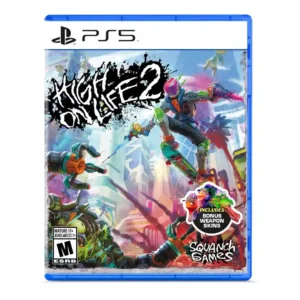
Platforming benefits from the skateboard’s mobility and simple inputs, but unregistered jumps, awkward momentum, and demanding sections can make precision inconsistent.
Pros: writing quality, fun factor
Cons: bug frequency, combat system
Platforming becomes much better after mobility upgrades and is excellent in some challenge rooms, but analog-only movement, contact damage, and awkward ledge interactions create avoidable frustration.
Pros: boss design, exploration quality
Cons: combat system, narrative quality
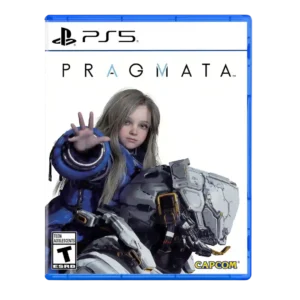
Platforming precision is mixed: upgrades and hover movement help, but some reviewers found momentum inconsistent or specific platforming moments frustrating.
Pros: combat system, emotional impact
Cons: map and navigation design, platforming precision

Platforming was broadly serviceable and sometimes tight or forgiving, but several reviews found it bland, repetitive, or limited.
Pros: soundtrack quality, narrative quality
Cons: combat system, enemy variety

Platforming precision is mixed because some traversal tools help, but limited grappling and weak air-dash behavior frustrate reviewers.
Pros: movement feel, loot system
Cons: performance optimization, narrative quality
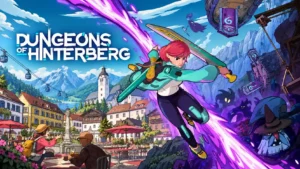
Automatic jumping and ledge-based climbing can feel finicky or restrictive. The varied dungeon challenges are more appealing than the controls for some players.
Pros: puzzle design, social features
Cons: enemy variety, polish
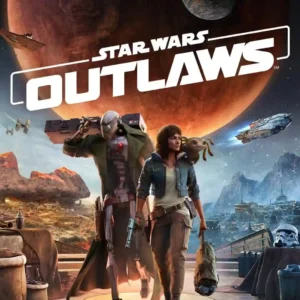
Platforming is functional but often stiff or imprecise, with grappling, ledge interactions, and prompt reliability drawing repeated complaints.
Pros: fun factor, originality
Cons: stealth mechanics, combat system
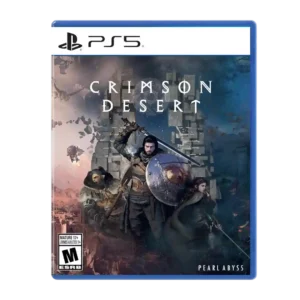
Reviewer evidence is negative or mixed: platforming precision was often criticized, even where some reviewers found redeeming moments across 1 review(s).
Pros: combat system, graphics quality
Cons: controls responsiveness, narrative quality
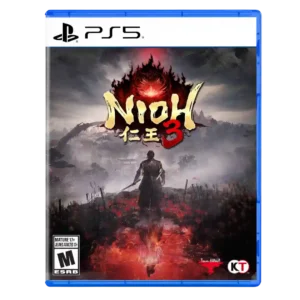
Platforming was criticized in one review for inconsistency and for making terrain feel more dangerous than intended.
Pros: combat system, open-world design
Cons: narrative quality, performance optimization

Rigid platforming can turn traversal mistakes into costly setbacks, especially when a failed move leads to lost progress.
Pros: town-building system, exploration quality
Cons: grind level, fast travel convenience

Ladders, ledges, and vertical spaces expose control roughness, with reviewers describing falls, pauses, and vulnerable transitions that make traversal more frustrating than precise.
Pros: fun factor, originality
Cons: combat system, narrative quality

Possession-based rooftop routes can be exhilarating, but imprecise traversal and awkward positioning sometimes frustrate platforming challenges.
Pros: gameplay mechanics, originality
Cons: overall quality, combat system
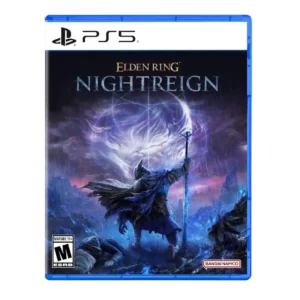
Platforming was mixed: wall climbing and collision quirks helped mobility but sometimes felt bad or unreliable.
Pros: co-op experience, fun factor
Cons: difficulty balance, social features
Platforming was a recurring weak spot, described as awkward or very finicky despite being mostly optional.
Pros: narrative quality, combat system
Cons: map and navigation design, menu usability

Platforming was generally treated as a weak spot: half-baked, awkward, or annoying, despite some rooftop puzzle utility.
Pros: combat system, exploration quality
Cons: graphics quality, voice acting

Jumping and grabbing ledges often demand exact positioning. Small alignment errors can interrupt traversal and make a reachable route seem blocked.
Pros: overall quality, atmosphere
Cons: boss design, movement feel
Platforming is one of the rougher edges: missed ledge grabs, awkward jumps, and finicky grapple attempts can turn the game’s vertical spaces into accidental falls.
Pros: fun factor, stealth mechanics
Cons: polish, combat system

Jumping and climbing can feel smooth when the geometry cooperates, but mantling is inconsistent enough to cause failures at bad moments. Ledge grabs are the clearest point of frustration.
Pros: fun factor, loot system
Cons: difficulty balance, quest design

One reviewer specifically criticized platforming as lacklustre, saying basic maneuvers could take multiple tries.
Pros: narrative quality, exploration quality
Cons: combat system, AI behavior