Best for quest design
Valheim
5.0 attribute score
Highest scored product for this attribute based on supporting review evidence.

Highest scored product for this attribute based on supporting review evidence.
Balances the attribute score, supporting reviews, and overall product strength.
Has the broadest review evidence for this attribute.
Strongest overall product among items with scored evidence for this attribute.
Optional questlines and their recurring characters are praised as a major source of charm, rewarding players who wander beyond the critical path.
Pros: performance optimization, frame rate stability
Cons: controller ergonomics, platform-specific feature support
Quest battles are a highlight, offering memorable set-piece encounters that fit the featured characters and reward campaign progression.
Pros: gameplay mechanics, fun factor
Cons: AI behavior, polish
Valheim's lack of a conventional quest log is treated as a strength, letting curiosity, bosses, and player motivation provide direction instead.
Pros: town-building system, exploration quality
Cons: grind level, fast travel convenience
Questing is a major strength, especially in guild and optional storylines where chance encounters can blossom into long, surprising adventures. Mundane fetch quests exist, but the best side content is...
Pros: graphics quality, progression system
Cons: combat system, bug frequency
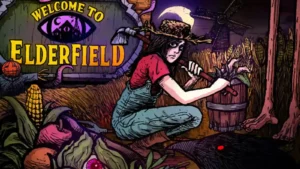
Quests are usually rewarding because they unlock resources, areas, items, or strange bits of lore rather than feeling disposable. The best tasks lean into Elderfield’s bizarre residents and occult mysteries.
Pros: combat system, difficulty balance
Cons: progression system, bug frequency
Optional missions and side dungeons can be compelling enough to pull players away from the main path, especially when they combine combat with useful upgrades and rewards.
Pros: fun factor, originality
Cons: combat system, narrative quality
Optional quests received praise for classic-RPG flavor and meaningful rewards.
Pros: narrative quality, combat system
Cons: map and navigation design, menu usability
Quest design received strong praise for weaving roguelite runs, optional quests, plot pieces, and characters together.
Pros: combat system, movement feel
Cons: narrative quality, difficulty balance
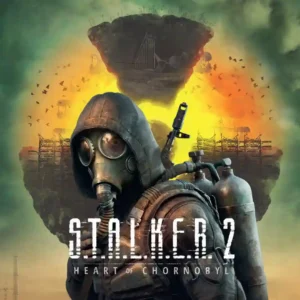
Side quests can be a major highlight when they branch, surprise, or turn into memorable encounters. Routine filler still exists, but the stronger optional quests show much more personality than...
Pros: immersion, fun factor
Cons: bug frequency, AI behavior
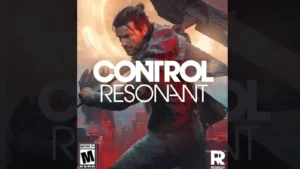
Side quests are a major strength, often delivering the funniest, strangest, and most memorable stories in the game. A smaller layer of repeated tasks and weaker rewards keeps the optional...
Pros: combat system, narrative quality
Cons: boss design, map and navigation design
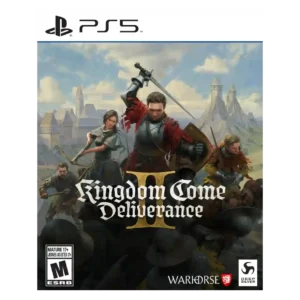
Quest design was one of the strongest points, with reviewers praising memorable side stories, branching approaches, and strong writing, despite a few disappointing payoffs.
Pros: combat system, narrative quality
Cons: save system reliability, learning curve
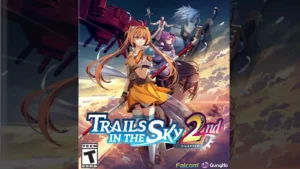
Side quests work best when they deepen Liberl’s residents and ongoing stories, making ordinary Bracer jobs feel personal. Some routine objectives remain, but the stronger quests add meaningful world-building and...
Pros: combat system, narrative quality
Cons: pacing, onboarding experience
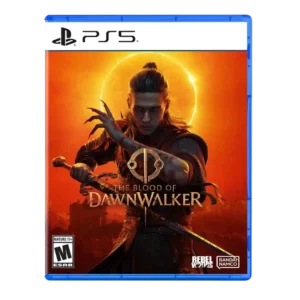
Quest design is a standout strength, especially when side stories intersect with the main conflict and choices alter later outcomes. The best quests are repeatedly placed among the game’s strongest...
Pros: combat system, fun factor
Cons: content variety, polish
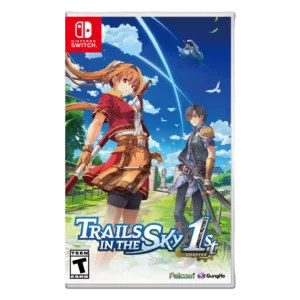
Quest design was generally praised for attaching story, character moments, and worldbuilding to side activities instead of leaving them as empty errands.
Pros: remake/remaster quality, combat system
Cons: content variety

Kanto’s item-gated route chains and the Sevii Islands give exploration a pleasing cause-and-effect structure, with detours that reward paying attention.
Pros: fun factor, faithfulness to franchise
Cons: remake/remaster quality, value for money
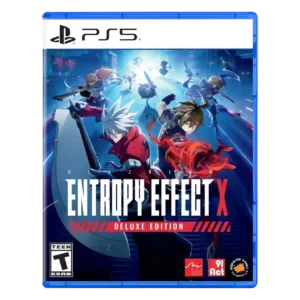
Quest design has limited positive evidence, especially for character-specific unlock quests described as genuinely cool.
Pros: combat system, character roster
Cons: narrative quality, learning curve
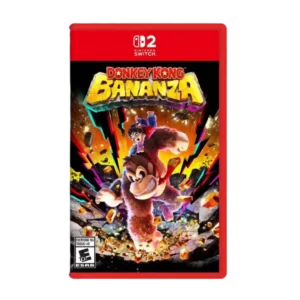
Quest design was praised where side quests kept layers busy and consistently rewarded players.
Pros: fun factor, world interactivity
Cons: frame rate stability, boss design
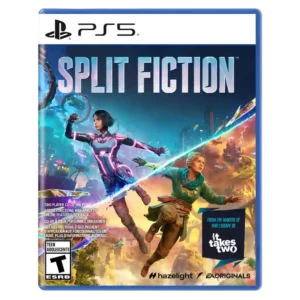
Side-story quests were considered worthwhile and rewarding to find.
Pros: co-op experience, content variety
Cons: writing quality, narrative quality
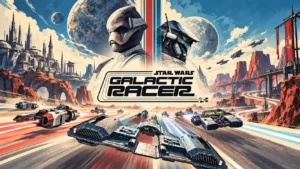
Side contracts gain personality when their backers speak to you before races. That connection makes a small objective feel like part of the racing world's dealings.
Pros: fun factor, overall quality
Cons: difficulty balance, pacing
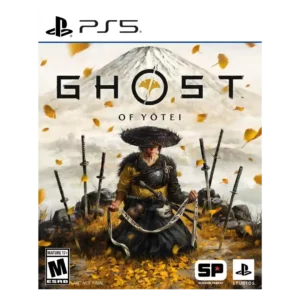
Quest design is a major strength in many reviews thanks to memorable tales, bounties, organic side stories, and worthwhile rewards, though Eurogamer sharply dislikes the formulaic sidequests.
Pros: combat system, narrative quality
Cons: grind level, innovation
Side quests were a major strength across reviews, often called intriguing, imaginative, and high quality, though one reviewer found some boring, rushed, or uneven.
Pros: narrative quality, voice acting
Cons: bug frequency, menu usability
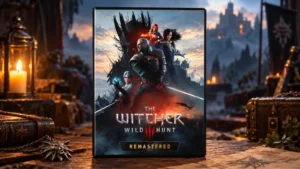
Detailed side quests and consequential decisions are still highlights, although a few longtime gaps and notorious quest bugs remain untouched.
Pros: graphics quality, value for money
Cons: performance optimization, frame rate stability
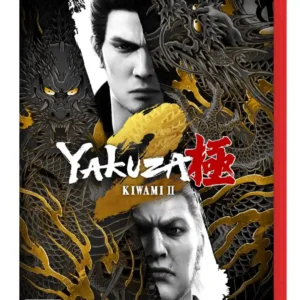
Substories are a major attraction, mixing absurd comedy, character moments, useful rewards, and occasional combat benefits. Most are warmly received, though some reviewers found a portion forgettable or filler-like.
Pros: narrative quality, combat system
Cons: onboarding experience, difficulty balance
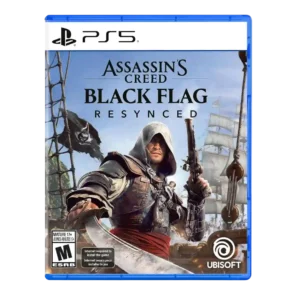
Quest design impressions are positive, centered on new officer quests and added side content that reviewers found exciting.
Pros: graphics quality, remake/remaster quality
Cons: DLC value, multiplayer design
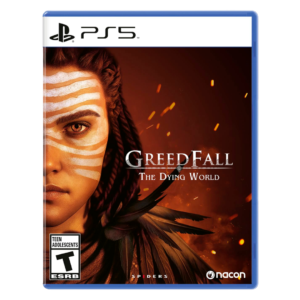
Quests are frequently at their best when multiple talents, companions, or approaches can solve the same problem. Some companion and side quests are excellent, though repetitive errands and obvious solutions...
Pros: narrative quality, side character depth
Cons: combat system, polish
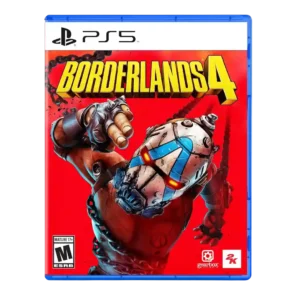
Quest design trends positive, especially side quests, though one review’s praise contrasts with broader concerns about main-story pacing.
Pros: movement feel, loot system
Cons: performance optimization, narrative quality
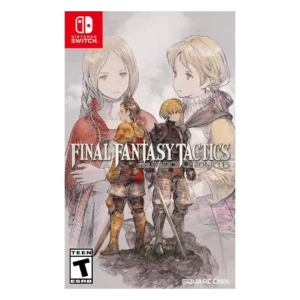
Quest design benefited from clearer markers and destination guidance that made older side content easier to follow.
Pros: remake/remaster quality, voice acting
Cons: content variety, camera behavior

The quest design is generally well received, with praise outweighing the smaller reservations raised across the reviews.
Pros: narrative quality, fun factor
Cons: grind level, learning curve
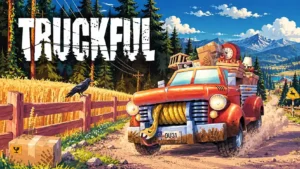
Main deliveries move the mystery forward rather than existing solely for payment. The most rewarding jobs repair roads or infrastructure and leave the village easier to navigate.
Pros: core gameplay loop, overall quality
Cons: map and navigation design, driving mechanics
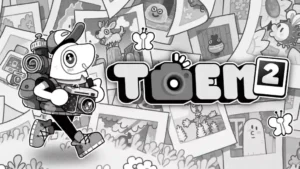
Quests are often funny, inventive, and rewarding, with memorable requests that encourage close observation. A minority of the game leans too heavily on straightforward fetch-style or tool-based tasks, creating a...
Pros: game length, gameplay mechanics
Cons: innovation, difficulty balance
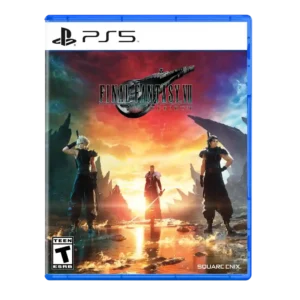
Side quests are generally viewed positively when they deepen party relationships or world context, though some reviewers call out filler, repetition, or isolated dull tasks.
Pros: combat system, content variety
Cons: pacing, movement feel
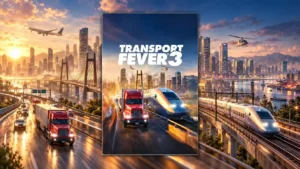
Contracts and subsidies break up sandbox routines with optional goals and useful rewards, though penalties and repetition can occasionally feel too harsh.
Pros: user interface design, gameplay mechanics
Cons: learning curve, tutorial quality
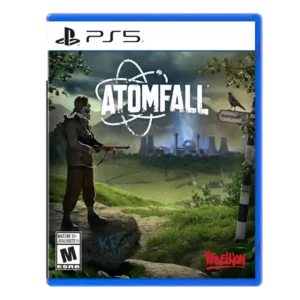
The leads and quest structure were a standout for many reviewers because it encouraged investigation and choice, though others found some objectives basic or unclear.
Pros: narrative quality, exploration quality
Cons: combat system, AI behavior

The investigation rewards attention to conversations, objects, and clues. It is compelling when the connections click, but less forgiving if an important detail slips past.
Pros: overall quality, atmosphere
Cons: boss design, movement feel
Zombies quests and Easter Eggs add depth for dedicated players, while survival options give those who do not want the full puzzle hunt a simpler alternative.
Pros: multiplayer design, level design
Cons: fun factor, narrative quality
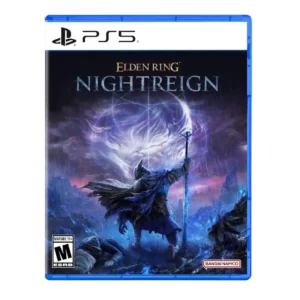
Quest design received praise for Remembrance objectives that gave runs extra goals and meaningful character rewards.
Pros: co-op experience, fun factor
Cons: difficulty balance, social features
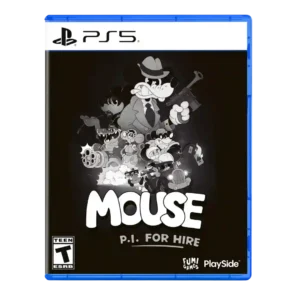
Side jobs fit naturally into Mouseburg and rarely feel tedious, but they are usually small collection tasks rather than substantial stories or challenges.
Pros: fun factor, art direction
Cons: weapon balance, gameplay mechanics
Later quests do a better job of making the mystery feel interactive, especially when progression depends on connecting clues yourself. Earlier objectives are more passive and can feel like a...
Pros: combat system, originality
Cons: overall quality, narrative quality

Small side quests are enjoyable and give the town useful optional goals beyond the main Vault progression.
Pros: core gameplay loop, difficulty balance
Cons: narrative quality, load times
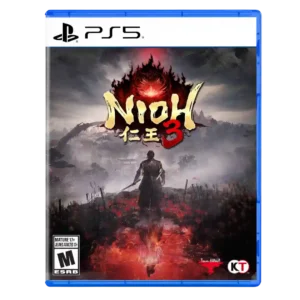
Side quests were viewed favorably in the cited review because Myths were spaced out rather than overwhelming the map.
Pros: combat system, open-world design
Cons: narrative quality, performance optimization
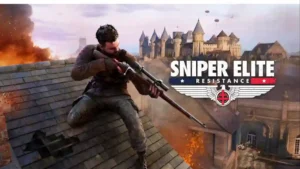
Optional tasks can make revisiting a cleared area worthwhile, adding enjoyable discoveries beyond the primary objective.
Pros: overall quality, level design
Cons: innovation, mission design
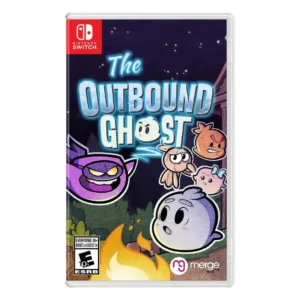
The focused main path avoids traditional side-quest clutter, but the absence of meaningful optional quests can also make the world feel empty.
Pros: combat system, soundtrack quality
Cons: narrative quality, exploration quality

The strongest Island activities are distracting in the good sense—engaging enough to pull attention away from the main story for hours at a time.
Pros: fun factor, gameplay mechanics
Cons: grind level, value for money
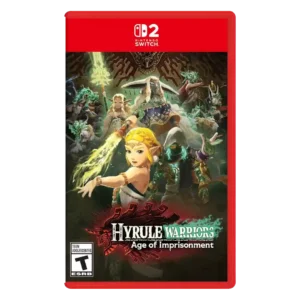
Quest design was mixed, with useful rewards and side stories offset by repetitive or hollow side objectives.
Pros: combat system, character roster
Cons: level design, mission design
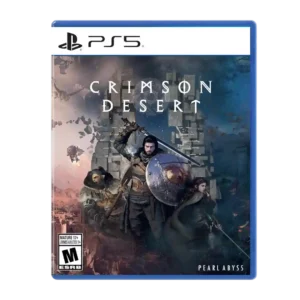
Reviewer evidence is positive: quest design was generally praised, though some notes were more qualified across 4 review(s).
Pros: combat system, graphics quality
Cons: controls responsiveness, narrative quality
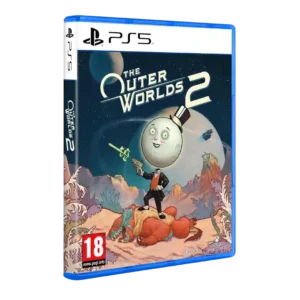
Quest design was split: several reviewers loved the branching checks and side content, while others saw busywork or inconsequential side quests.
Pros: combat system, progression system
Cons: pacing, AI behavior
The best quests are large, interconnected, and open to several solutions. A smaller number feel unclear, abrupt, or more convergent than their apparent choices suggest.
Pros: narrative quality, writing quality
Cons: pacing, bug frequency
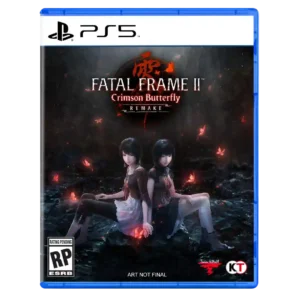
Side stories can deepen the village and its spirits in rewarding ways, although a few players find the quest-like structure artificial or poorly integrated.
Pros: remake/remaster quality, horror tension
Cons: combat system, frame rate stability
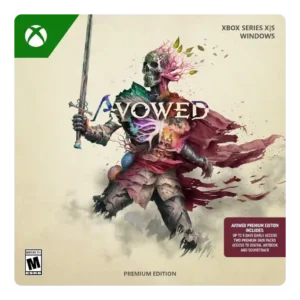
Quest design ranged from excellent side stories and meaningful follow-ups to fetchy, inconsistent, or repetitive tasks.
Pros: combat system, narrative quality
Cons: difficulty balance, enemy variety
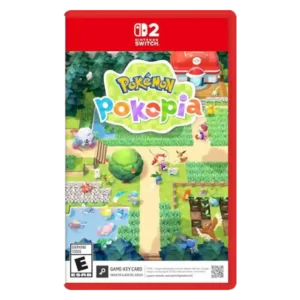
Quest design ranged from rewarding app-based goals to occasional chaotic quest completion and unclear sequencing.
Pros: core gameplay loop, content variety
Cons: pacing, menu usability