Best for controls responsiveness
CONTROL Resonant
5.0 attribute score
Highest scored product for this attribute based on supporting review evidence.

Highest scored product for this attribute based on supporting review evidence.
Balances the attribute score, supporting reviews, and overall product strength.
Has the broadest review evidence for this attribute.
Strongest overall product among items with scored evidence for this attribute.
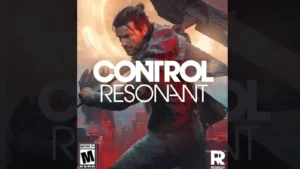
Inputs are consistently praised for immediacy: attacks, dodges, air movement, and cancels respond quickly enough to support the game's fast, aggressive action.
Pros: combat system, narrative quality
Cons: boss design, map and navigation design
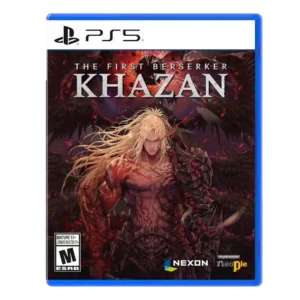
Controls are described as smooth, tight, responsive, and precise, helping the demanding fights feel skill-based.
Pros: combat system, boss design
Cons: narrative quality, difficulty balance

Control feel receives uniformly high praise for being slick, responsive, and unusually accommodating for arcade and sim-leaning players.
Pros: graphics quality, accessibility options
Cons: AI behavior, difficulty balance

When the Dragon Engine clicks, Kiryu feels quick, smooth, and responsive to control. Reviewers especially liked the faster recovery and more fluid combat feel compared with earlier iterations.
Pros: narrative quality, combat system
Cons: onboarding experience, difficulty balance
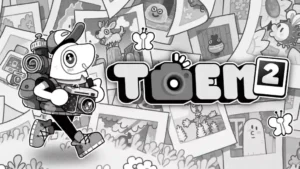
Basic movement and interaction controls are easy to grasp, intuitive, and responsive. That simplicity supports the relaxed tone without making navigation feel sluggish.
Pros: game length, gameplay mechanics
Cons: innovation, difficulty balance

Snappy inputs and quick attack animations keep battles moving without unnecessary delay.
Pros: combat system, fun factor
Cons: difficulty balance, pacing

Movement inputs are described as smooth and fluid, giving the action a responsive feel.
Pros: fun factor, battle mode quality
Cons: multiplayer design, replay value
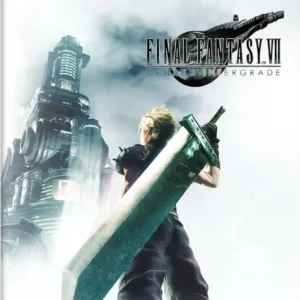
Controls are generally responsive and combat inputs feel clean, though Joy-Con layouts and crowded fights can take adjustment.
Pros: combat system, graphics quality
Cons: pacing, accessibility options
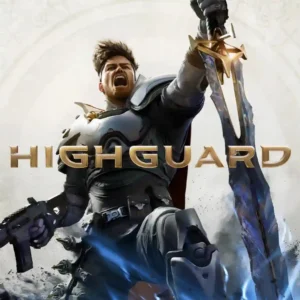
Moment-to-moment control was praised as crisp, frenetic, responsive, and immediately satisfying.
Pros: fun factor, combat system
Cons: originality, battle mode quality

Movement and interaction controls are described as responsive, with no notable input problems raised in the same account.
Pros: puzzle design, atmosphere
Cons: narrative quality, difficulty balance
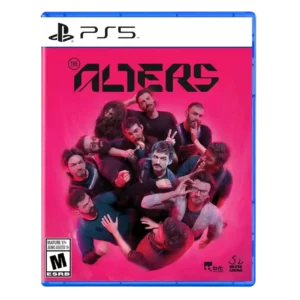
One reviewer specifically praised the controls on both controller and mouse/keyboard, with no conflicting control-responsiveness evidence.
Pros: narrative quality, replay value
Cons: difficulty balance, pacing

The underlying 2D controls remain one of Wonder’s clearest strengths, with movement repeatedly described as tight, smooth, and exceptionally responsive. That strong control foundation also makes the harder new challenges...
Pros: fun factor, multiplayer design
Cons: matchmaking quality, map and navigation design

Control feel is strongly praised, with one review emphasizing complete control of Hornet and another calling the Switch 2 Pro Controller perfect.
Pros: difficulty balance, art direction
Cons: economy and resource balance, checkpoint system

Controls were broadly praised as polished and flowing, with only light caveats when complex terrain and movement options interact.
Pros: fun factor, world interactivity
Cons: frame rate stability, boss design

Controls are consistently praised as tight, simple, and responsive, helping both movement and combat feel fair even during demanding fights.
Pros: core gameplay loop, difficulty balance
Cons: narrative quality, load times

Responsive inputs are among the most consistent strengths, letting precise attacks and jumps keep pace with the action. New color-dependent weapon rules briefly disrupt muscle memory for some players.
Pros: overall quality, difficulty balance
Cons: frame rate stability, performance optimization
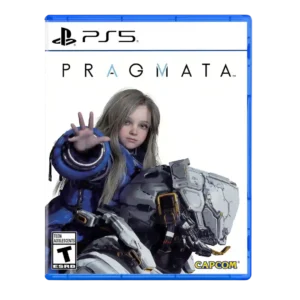
Controls are broadly praised as responsive and intuitive, with several reviewers saying the demanding dual-input combat becomes smooth once learned.
Pros: combat system, emotional impact
Cons: map and navigation design, platforming precision
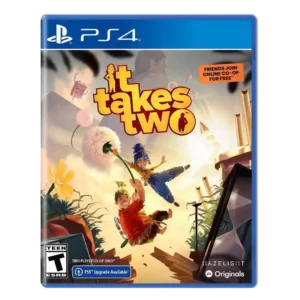
Controls are widely praised as responsive, tight, natural, and accessible, with only the Switch Joy-Con feel drawing a mild caveat.
Pros: co-op experience, fun factor
Cons: narrative quality, dialogue quality
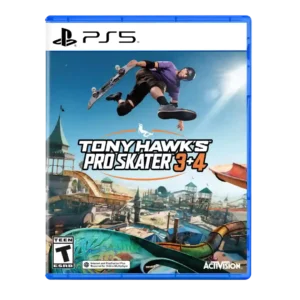
Controls were one of the strongest points, with reviewers calling them responsive, precise, smooth, and central to why the game still works.
Pros: level design, remake/remaster quality
Cons: soundtrack quality, mission design

Instant undo, reset, and time controls are among the most consistently praised features. They encourage experimentation and make mistaken moves easy to recover from.
Pros: overall quality, puzzle design
Cons: narrative quality, difficulty balance
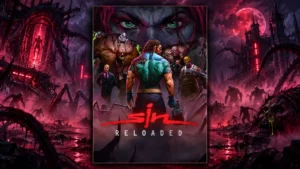
Modernized controls are one of the remaster’s clearest wins, feeling fluid, responsive, and much closer to contemporary shooters without erasing the retro feel.
Pros: remake/remaster quality, overall quality
Cons: level design, map and navigation design

Controls are generally considered tight and responsive, becoming second nature once the new sprinting and omega mechanics click.
Pros: combat system, progression system
Cons: originality
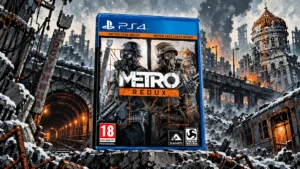
Redux improves the original’s sluggish handling, while the Switch port wins particular praise for fast response. Its 30fps cap usually does little to undermine the controls.
Pros: graphics quality, overall quality
Cons: AI behavior, pacing
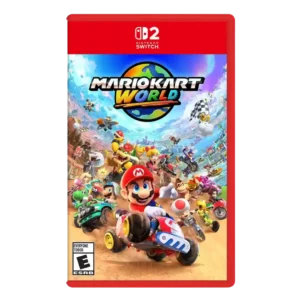
Controls were consistently praised as precise, approachable, responsive, and mechanically satisfying.
Pros: content variety, soundtrack quality
Cons: open-world design, exploration quality
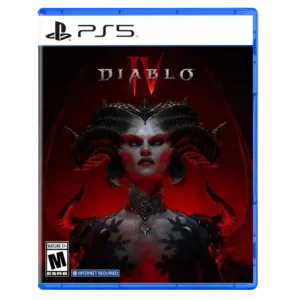
The handling was praised as precise and responsive, with reviewers highlighting intuitive combat feel and quick reactions.
Pros: narrative quality, endgame content
Cons: monetization fairness, quest design

Quality-of-life controls, especially quick life switching, are praised for making play smoother and more responsive.
Pros: core gameplay loop, narrative quality
Cons: crafting system, multiplayer design

Many find Garfield's inputs fluid, responsive, and easy to combine into quick moves. A few reports of sluggish or awkward action temper that praise.
Pros: content variety, family friendliness
Cons: collectibles, level design

Controls are overwhelmingly praised as tight, smooth, and responsive. Minor complaints involve an initially awkward jump layout and one healing input that could trigger accidentally.
Pros: difficulty balance, boss design
Cons: innovation, sandbox freedom
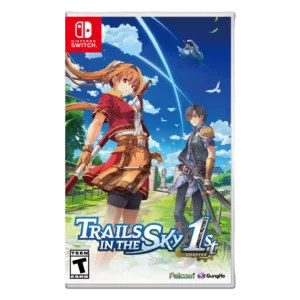
When mentioned, controls were described as smooth, responsive, and easy to execute in both combat styles.
Pros: remake/remaster quality, combat system
Cons: content variety
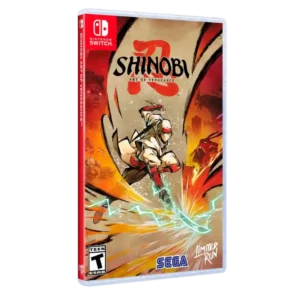
Controls are usually described as smooth, tight, intuitive, and responsive, with a few caveats around moments where scripted control loss or platforming inputs feel awkward.
Pros: combat system, faithfulness to franchise
Cons: narrative quality, frame rate stability
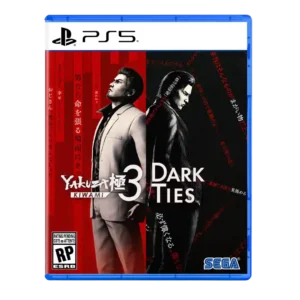
Inputs and style transitions are repeatedly praised as fluid and responsive, especially when chaining Ryukyu weapons, counters, and crowd-control attacks.
Pros: fun factor, combat system
Cons: pacing, battle mode quality

Controls were described as simple, readable, and responsive, with strong input latency and snappy combat feel.
Pros: combat system, character roster
Cons: level design, mission design
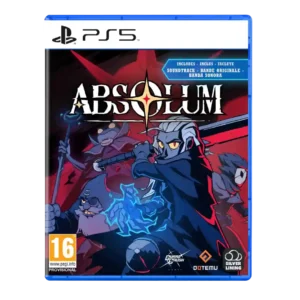
Controls were generally praised as responsive and fluid, especially with a controller, with only a few platform or precision caveats.
Pros: combat system, replay value
Cons: narrative quality, grind level
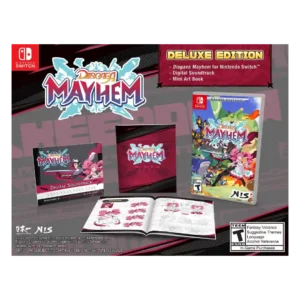
Across previews and demos, controls were repeatedly described as responsive, snappy, and well suited to fast action.
Pros: fun factor, progression system
Cons: difficulty balance, combat system
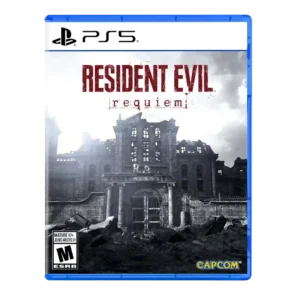
Controls were praised as responsive and purpose-built, with reviewers saying characters did what they expected and combat balanced heft with responsiveness.
Pros: pacing, combat system
Cons: originality
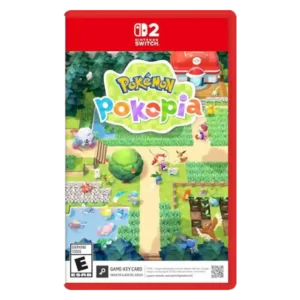
Controls were generally praised as intuitive, smooth, and snappy in common actions like planting and traversal.
Pros: core gameplay loop, content variety
Cons: pacing, menu usability
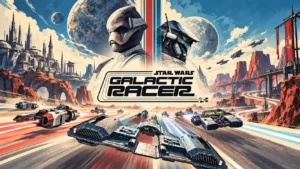
Vehicles generally respond precisely, with drifting and cornering often singled out as especially satisfying. Controllers are preferred by several players, though one finds the default layout awkward and keyboard handling...
Pros: fun factor, overall quality
Cons: difficulty balance, pacing
Controls were usually described as smooth, responsive, and solid, with PC mouse-and-keyboard support adding precision for some players.
Pros: content variety, narrative quality
Cons: pacing
Controls are usually praised as responsive, simple, and precise, although one review finds group hit confirmation less exact than desired.
Pros: combat system, character roster
Cons: narrative quality, learning curve
Responsiveness was strong across most versions, though weaker platforms and connections could still affect the feel.
Pros: accessibility options, combat system
Cons: narrative quality, frame rate stability
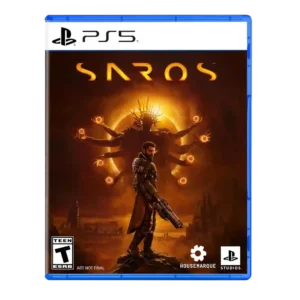
Controls were heavily praised for responsiveness, tactile feel, and precise movement/shooting, with only rare complaints about input conflicts.
Pros: narrative quality, combat system
Cons: side character depth, dialogue quality

Controls were described as noticeably smoother than the first game, especially in camera feel, aiming, and sword fighting responsiveness.
Pros: combat system, narrative quality
Cons: save system reliability, learning curve
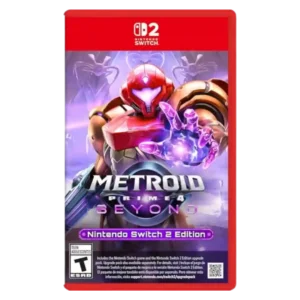
Controls were a major positive overall, with tight movement, responsive shooting, strong gyro support, and multiple schemes; mouse ergonomics were more divisive.
Pros: boss design, graphics quality
Cons: open-world design, side character depth

Reviewers respond very positively to the controls responsiveness, describing it as a notable strength of the overall experience.
Pros: narrative quality, fun factor
Cons: grind level, learning curve

Controls are usually snappy, intuitive, and smooth, making the fast platforming easy to read and execute. A few character-specific movements feel less polished than the core controls.
Pros: replay value, difficulty balance
Cons: game length, boss design
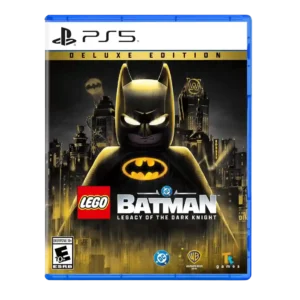
Controls are seen as approachable and responsive, with reviewers praising ease of control, intuitive inputs, and a lack of complaints in hands-on play.
Pros: combat system, exploration quality

The basic controls are generally viewed as simple and intuitive, with the main problems appearing in precision-heavy or timed situations rather than ordinary play.
Pros: fun factor, art direction
Cons: difficulty balance, hint system
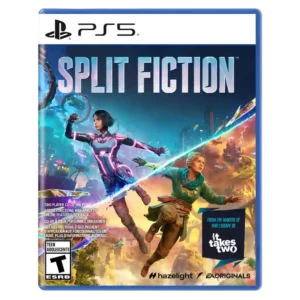
Controls were generally seen as responsive and intuitive, with one Switch 2 local controller setup working without issue.
Pros: co-op experience, content variety
Cons: writing quality, narrative quality
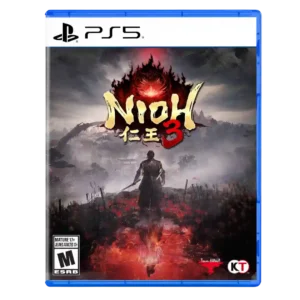
Style switching was described as smooth and responsive, with reviewers noting that swapping between Samurai and Ninja quickly became satisfying in battle.
Pros: combat system, open-world design
Cons: narrative quality, performance optimization
Reviewers who directly addressed the controls describe them as tight and responsive, which helps the demanding timing-based combat feel fair.
Pros: combat system, fun factor
Cons: pacing, open-world design