Best for loot system
Monster Hunter Stories 3: Twisted Reflection
5.0 attribute score
Highest scored product for this attribute based on supporting review evidence.

Highest scored product for this attribute based on supporting review evidence.
Balances the attribute score, supporting reviews, and overall product strength.
Has the broadest review evidence for this attribute.
Strongest overall product among items with scored evidence for this attribute.
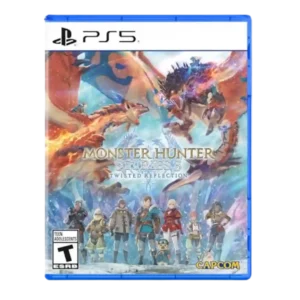
Eggs, genes, monster materials, and equipment rewards give exploration and battles frequent payoffs, with randomized finds usually feeling rewarding rather than wasteful.
Pros: combat system, narrative quality
Cons: difficulty balance, grind level
Weapon drops stay relevant because useful bonuses can be transferred forward through fusion.
Pros: remake/remaster quality, graphics quality
Cons: difficulty balance, voice acting
Automatic health and ammo pickups remove a dated manual-looting step and make moment-to-moment play much smoother.
Pros: remake/remaster quality, overall quality
Cons: level design, map and navigation design

Relic quality, curses, status effects, and dedicated material storage turn loot into a strategic system rather than simple collection. This is one of the sequel's most praised upgrades.
Pros: core gameplay loop, difficulty balance
Cons: narrative quality, load times

Itemization supports distinct builds and gives combat meaningful rewards, with food, gear, and resources creating useful tradeoffs rather than disposable drops.
Pros: combat system, difficulty balance
Cons: progression system, bug frequency
Weapons, herbs, scrolls, staves, rings, and other items drive the strategy, with dual uses and limited inventory creating meaningful choices. Experimenting with what to keep, use, or risk is repeatedly...
Pros: graphics quality, core gameplay loop
Cons: difficulty balance, remake/remaster quality
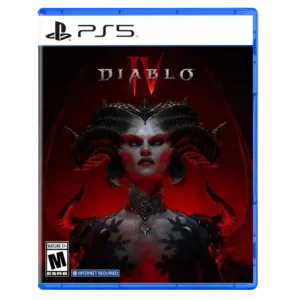
Loot was praised for cadence, usefulness, and improved design, with reviewers emphasizing experimentation and build-defining drops.
Pros: narrative quality, endgame content
Cons: monetization fairness, quest design
Optional areas and encounters provide useful ammunition, filters, and equipment. Scavenging feels most worthwhile when the supplies directly support continued survival.
Pros: graphics quality, overall quality
Cons: AI behavior, pacing
Treasure, unique gear, crafted equipment, and exploration rewards give players frequent reasons to search dungeons and wander off-route. Some individual chests disappoint, but the broader reward loop is satisfying.
Pros: graphics quality, progression system
Cons: combat system, bug frequency
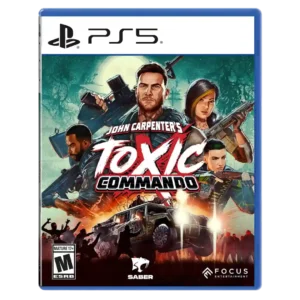
Heavy weapons and loot found around the maps are a highlight, giving exploration a satisfying payoff with railguns, grenade launchers, and other temporary power spikes.
Pros: fun factor, combat system
Cons: mission variety, progression system

Dungeon loot is part of a rewarding mix of unique layouts and challenges that makes repeated delves feel worthwhile.
Pros: town-building system, exploration quality
Cons: grind level, fast travel convenience

The wheelspin reward system is described as enjoyable and motivating through its steady stream of prizes.
Pros: graphics quality, accessibility options
Cons: AI behavior, difficulty balance

Loot evidence is positive where quests and conflicts reward Atsu with valuable loot, information, and clues that feed exploration.
Pros: combat system, narrative quality
Cons: grind level, innovation
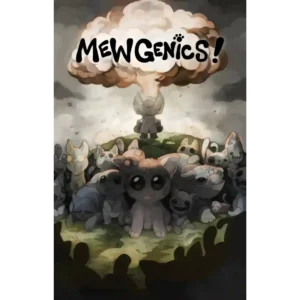
Items can define entire builds, create powerful synergies, and make decisions about what to carry home matter. Their temporary durability and the risk of losing gear also stop one loadout...
Pros: combat system, soundtrack quality
Cons: difficulty balance, learning curve
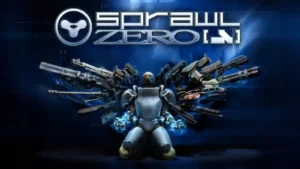
Color-coded weapon rarity makes stronger drops easy to identify without slowing down the action.
Pros: fun factor, core gameplay loop
Cons: difficulty balance, narrative quality
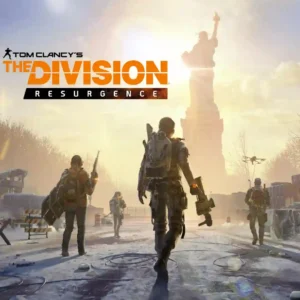
Frequent weapons, gear, mods, and build options make looting deeply satisfying, although one critic found the long-term chase less engaging.
Pros: content variety, controls responsiveness
Cons: narrative quality, menu usability
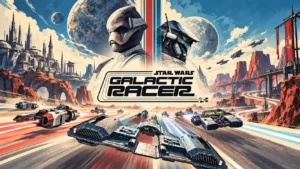
Race rewards feed an addictive cycle of collecting components and refining a build. Randomized parts keep attempts different, although losing upgrades that suit a favorite style can be frustrating.
Pros: fun factor, overall quality
Cons: difficulty balance, pacing
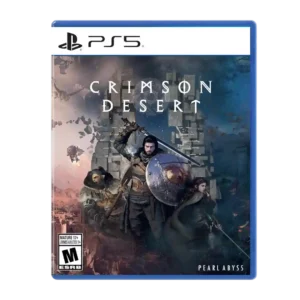
Reviewer evidence is positive: loot system was generally praised, though some notes were more qualified across 3 review(s).
Pros: combat system, graphics quality
Cons: controls responsiveness, narrative quality

The reward and loot loop was a highlight for many, though costume perks and extra currencies were sometimes less compelling.
Pros: fun factor, world interactivity
Cons: frame rate stability, boss design

Loot was praised as meaningful, rewarding, and varied enough to support distinct builds.
Pros: combat system, progression system
Cons: pacing, AI behavior

Loot and item rewards were viewed positively where discussed, with random post-battle items treated as useful for quests and bonuses.
Pros: combat system, character roster
Cons: level design, mission design

The loot system is heavily praised for addictive drops and build-defining combinations, though several reviewers dislike weak legendaries, bad guns, or rarity balance.
Pros: movement feel, loot system
Cons: performance optimization, narrative quality

Loot creates the stakes that make extraction exciting, and modular gear can produce genuinely valuable finds. Losing a prized kit is thrilling when the system clicks and deeply frustrating when...
Pros: fun factor, loot system
Cons: difficulty balance, quest design
Hard Cases and Supply Caches feed useful weapon customization, but some players dislike the frequency of searching for them or the low value of certain rewards.
Pros: combat system, graphics quality
Cons: exploration quality, mission design
Multi-corpse pickup and improved inventory handling remove tedious steps from routine looting.
Pros: graphics quality, value for money
Cons: performance optimization, frame rate stability
Loot and world rewards can make exploration satisfying, especially when discoveries feed upgrades, but some reward placement and generic material boxes feel less thoughtfully integrated.
Pros: combat system, narrative quality
Cons: boss design, map and navigation design
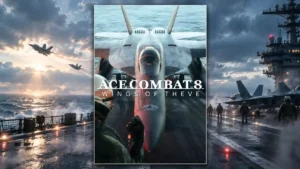
The absence of paid loot boxes is a welcome restraint within an otherwise heavily monetized online structure.
Pros: narrative quality, fun factor
Cons: dialogue quality, difficulty balance
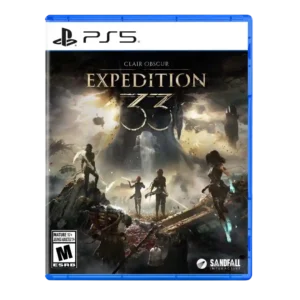
The loot system was viewed as simple but supportive of weapons, elements, and customization.
Pros: narrative quality, combat system
Cons: map and navigation design, menu usability

Loot scaling is praised for making higher-level areas more rewarding.
Pros: core gameplay loop, narrative quality
Cons: crafting system, multiplayer design

Boat-based fishing and treasure hunting can provide worthwhile income when you choose productive spots. That makes trips onto the water useful as well as atmospheric.
Pros: overall quality, shopkeeping system
Cons: performance optimization, pacing

Loot systems were mixed: deterministic decorations and clearer drops helped, but some reviewers felt rare farming and chase goals ended too quickly.
Pros: combat system, narrative quality
Cons: difficulty balance, endgame content
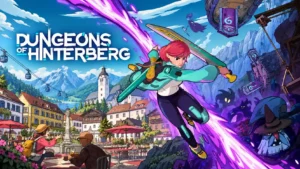
Exploration can supply useful equipment, although loot rewards are not equally compelling for everyone. Some find shop gear strong enough to reduce the value of dungeon discoveries.
Pros: puzzle design, social features
Cons: enemy variety, polish

Loot was often praised as rewarding and useful, yet inventory friction and one negative review’s trash-loop criticism pulled impressions down.
Pros: sound design, combat system
Cons: voice acting, menu usability
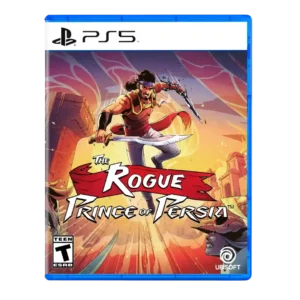
Loot and build variety were praised when weapons, tools, and medallions clicked, though several reviewers found synergies inconsistent or padded.
Pros: combat system, movement feel
Cons: narrative quality, difficulty balance
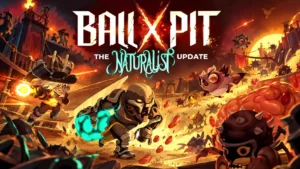
Collecting experience can feel tactile and rewarding. Fusion-drop randomness and unclear blueprint targeting frustrate players trying to assemble a specific plan.
Pros: fun factor, upgrade system
Cons: user interface design, grind level
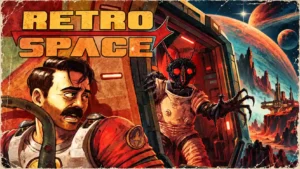
Hidden routes and return visits often pay off with useful ammunition, equipment, or new weapons. One demo player is disappointed that defeated enemies’ guns cannot simply be picked up.
Pros: overall quality, art direction
Cons: map and navigation design, difficulty balance
Loot opinions are mixed: some call it manageable or streamlined, while others find the volume of gear chore-like or excessive.
Pros: combat system, boss design
Cons: narrative quality, difficulty balance

Looting supports the survival loop and gives exploration purpose, but item handling is not always smooth. Disappearing or missable supplies can turn useful scavenging into frustration.
Pros: fun factor, faithfulness to franchise
Cons: combat system, game length
Expanded armor pieces, talismans, and enchantments make gear hunting more rewarding and builds more varied. Scarce standout drops, RNG dependence, or excess inventory clutter divide opinion.
Pros: open-world design, graphics quality
Cons: narrative quality, endgame content

Looting is generally simple and readable, but balance is inconsistent. Some praise the clean system and useful drops, while others report sparse loot, scarce plates, or too few high-value landing...
Pros: fun factor, battle mode quality
Cons: multiplayer design, replay value

Loot-style systems such as spins and mod cards divide reviewers; they can be fun, but random rewards may undercut meaning or authenticity.
Pros: graphics quality, driving mechanics
Cons: world interactivity, AI behavior
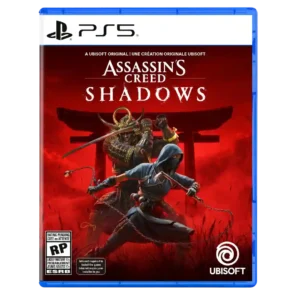
Loot reactions are mixed: several reviewers enjoyed meaningful perks and gear loops, while others disliked excessive randomized drops or low gameplay impact.
Pros: stealth mechanics, graphics quality
Cons: narrative quality, mission variety
Loot is a strong motivator when new gear changes builds or creates elemental synergies, but shared drops, storage restrictions, and lost boons can make the system feel more cumbersome than...
Pros: value for money, combat system
Cons: camera behavior, content variety

Loot works best when it feeds Endgame's progression and higher-tier rewards. In the campaign, rarity systems can feel borrowed from Warzone or redundant rather than naturally integrated.
Pros: multiplayer design, level design
Cons: fun factor, narrative quality
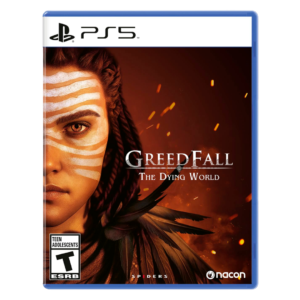
Gear drops are satisfying when they feed customization and visible outfit changes, but poor level matching and inventory friction can make much of the loot feel useless.
Pros: narrative quality, side character depth
Cons: combat system, polish
Reward quality depends on the activity. Some optional content delivers worthwhile badges and materials, while generic combat dungeons are criticized for offering little worth chasing.
Pros: fun factor, originality
Cons: combat system, narrative quality
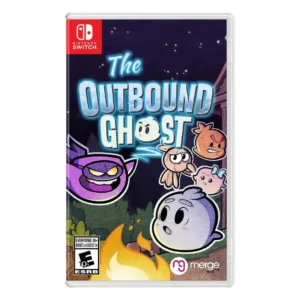
Loot is useful for players who engage deeply with crafting, yet many pickups feel repetitive or worthless once Aspect forging loses its appeal.
Pros: combat system, soundtrack quality
Cons: narrative quality, exploration quality

MyTEAM’s Exchange and card progression improve the usefulness of pulls, but chance-based packs and VC spending keep the system feeling monetized.
Pros: gameplay mechanics, fun factor
Cons: microtransaction impact, animation quality
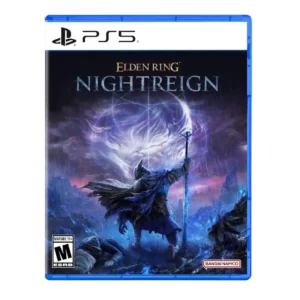
Loot and relic systems encouraged fluid builds and experimentation, but randomness often frustrated reviewers when rewards failed to fit a class or plan.
Pros: co-op experience, fun factor
Cons: difficulty balance, social features
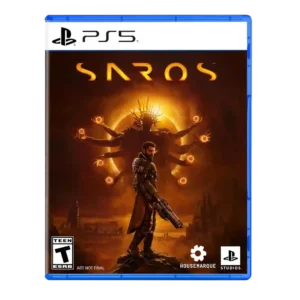
Loot drew mixed feedback: some liked risky artifacts and weapon discovery, while others disliked artifact droughts or limited replacement control.
Pros: narrative quality, combat system
Cons: side character depth, dialogue quality