If you want better user interface design
Choose Pragmata. It scores 5.0 vs 2.8 for user interface design, with a 4.3 overall score.

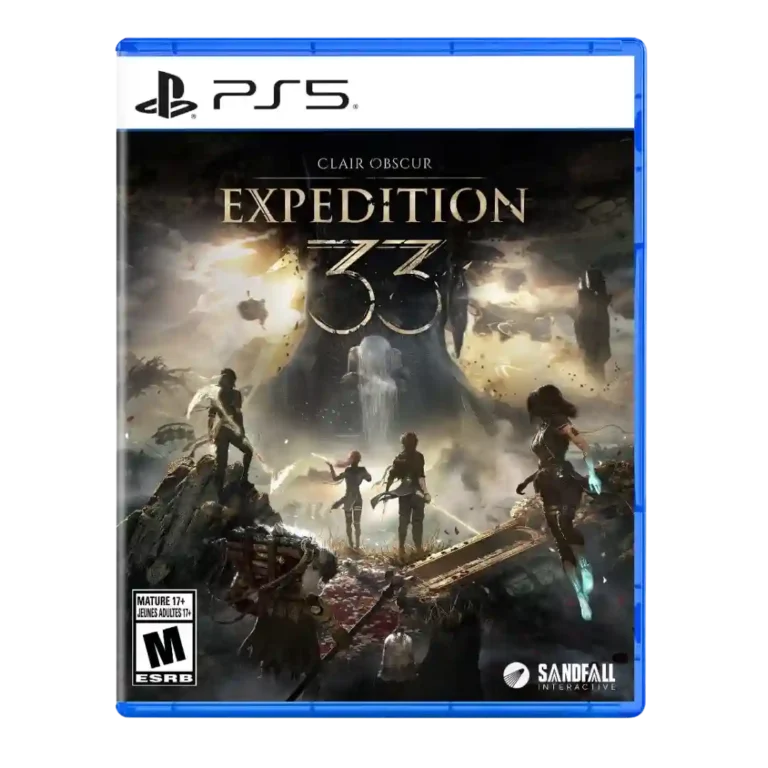
Choose Clair Obscur if you want a story-rich RPG with thrilling timed combat, gorgeous art, and standout music. Skip it if poor maps, tight parry timing, or occasional bugs and crashes would sour the experience.
Best for RPG players who want a focused, story-led adventure with demanding timed combat, deep builds, and a striking audiovisual identity. It also suits players who enjoy classic RPG structure without 100-hour bloat.
Not for players who dislike parry timing, QTE pressure, dense build menus, or navigation without clear maps. It may also frustrate anyone highly sensitive to bugs, crashes, or awkward platforming.
Clair Obscur: Expedition 33 lands as a rare RPG where critics consistently praise the same pillars: a mature, emotionally heavy narrative, active turn-based combat, striking French-inspired art direction, and an exceptional soundtrack. The strongest tradeoff is that its style-forward design sometimes gets in the way of function. Multiple reviews complain about missing maps, clunky menus, awkward platforming, and occasional technical issues, including one severe crash report. Still, the consensus frames those problems as secondary to the game’s unusually cohesive creative vision. Its relatively focused length, deep character builds, and low launch price strengthen the overall package for players who can handle demanding timing-based defense.
Compared with other Video Games, this product is above average in monetization fairness, microtransaction impact, narrative quality, near average in difficulty balance, menu usability, below average in platforming precision, accessibility options, movement feel.
| Attribute | This product | Category average | Difference |
|---|---|---|---|
| monetization fairness | 5.0 | 3.1 | +1.9 |
| microtransaction impact | 5.0 | 3.2 | +1.8 |
| narrative quality | 4.9 | 3.6 | +1.3 |
| camera behavior | 4.5 | 2.9 | +1.6 |
| pacing | 4.5 | 3.1 | +1.4 |
| dialogue quality | 4.7 | 3.3 | +1.4 |
| grind level | 4.4 | 2.9 | +1.4 |
| economy and resource balance | 4.5 | 3.1 | +1.4 |
Choose Pragmata. It scores 5.0 vs 2.8 for user interface design, with a 4.3 overall score.
Choose Ghost of Yōtei. It scores 4.8 vs 2.7 for map and navigation design, with a 4.4 overall score.
Choose Onimusha: Way of the Sword. It scores 4.9 vs 3.3 for facial animations, with a 4.1 overall score.
Choose Shinobi: Art of Vengeance. It scores 5.0 vs 2.7 for menu usability, with a 4.4 overall score.
Products reviewers directly compared with this model, grouped into quick takeaways.
Reviews treat both as central strengths. The story carries the emotional weight, while the timed, active turn-based combat keeps fights engaging.
Yes, several reviewers describe it as challenging because dodges and parries matter. Some found the timing rewarding, while others felt QTE reliance could be frustrating.
Reviewers describe a focused main story around the 25–40 hour range, with side content, superbosses, and New Game Plus extending the experience.
Exploration is often rewarding, but navigation is the most repeated complaint. Multiple reviews wanted more maps, minimaps, or clearer tracking.
Most reports mention minor bugs, lip-sync issues, stutter, or no crashes, but one 100% review reported many crashes over roughly 60 hours.
Yes. Reviewers repeatedly call the soundtrack exceptional, memorable, and emotionally important to the game’s identity.
These are a few of the reviews included in our analysis.

Best for fluid traversal, rewarding exploration, striking art, and forgiving quality-of-life features. Skip it if you want deep combat, radical genre innovation, or consistently demanding bosses.
Pros: difficulty balance, boss design
Cons: innovation, sandbox freedom

Good if you want fast, tactical roguelite combat with huge progression depth, striking art, and standout music. Skip it if repetition, resource micromanagement, or a less emotionally satisfying sequel story...
Pros: combat system, progression system
Cons: originality

Good if you want a beautiful, demanding survival sandbox built around exploration, building, progression, and memorable co-op. Skip it if long resource runs, harsh death recovery, and deliberate pacing sound...
Pros: town-building system, exploration quality
Cons: grind level, fast travel convenience

Best for joyful destruction, dense exploration, and a charming DK-Pauline adventure. Skip it if camera quirks, frame-rate dips, easy bosses, or premium Switch 2 pricing are dealbreakers.
Pros: fun factor, world interactivity
Cons: frame rate stability, boss design