Best for camera behavior
End of Abyss
5.0 attribute score
Highest scored product for this attribute based on supporting review evidence.

Highest scored product for this attribute based on supporting review evidence.
Balances the attribute score, supporting reviews, and overall product strength.
Has the broadest review evidence for this attribute.
Strongest overall product among items with scored evidence for this attribute.
Overall: 3.8/5
The fixed and shifting isometric camera is effective at making Cel feel small and vulnerable, and its framing contributes meaningfully to the game's mood.
Pros: atmosphere, exploration quality
Cons: map and navigation design, bug frequency

Overall: 4.0/5
The isometric viewpoint keeps fights readable even when enemies begin to crowd the screen.
Pros: core gameplay loop, difficulty balance
Cons: narrative quality, load times

Overall: 2.9/5
Fresh broadcast camera angles can make games feel more like a televised hockey broadcast.
Pros: atmosphere, gameplay mechanics
Cons: AI behavior, commentary quality

Overall: 3.7/5
A low-to-the-ground view effectively emphasizes the huge scale of ordinary surroundings.
Pros: Dandori Academy mode, overall quality
Cons: DLC value, Dandori Academy stage rollout

Overall: 4.4/5
Camera behavior is praised in one review for intelligently changing framing to support mood, traversal, and visual depth.
Pros: combat system, faithfulness to franchise
Cons: narrative quality, frame rate stability
Overall: 4.4/5
Camera behavior was praised for making first- and third-person play feel effective, though the choice also shapes the experience heavily.
Pros: pacing, combat system
Cons: originality

Overall: 3.9/5
Camera behavior is one of the most praised systems, with dynamic cinematic framing repeatedly highlighted, despite occasional navigation or visibility issues.
Pros: narrative quality, atmosphere
Cons: puzzle design, fun factor

Overall: 3.9/5
Right-stick camera control makes navigation and judging jumps considerably easier. It removes much of the friction associated with the older presentation.
Pros: archival bonus content, remake/remaster quality
Cons: minigame quality, narrative quality

Overall: 4.0/5
The first-person panoramic scenes are enjoyable and useful for investigation. Looking around can reveal meaningful information instead of merely showing off a filming technique.
Pros: overall quality, narrative quality
Cons: pacing, localization support

Overall: 4.3/5
Camera feedback was positive where Top Ride improved legibility and the racing camera pulled players into high-speed action.
Pros: battle mode quality, content variety
Cons: learning curve, competitive balance
Overall: 4.2/5
Camera behavior has limited positive evidence, with one preview praising cinematic camera changes during big Bond-style moments.
Pros: stealth mechanics, combat system
Cons: pacing

Overall: 3.7/5
Switching between a close side view and a wide overhead view is a welcome quality-of-life option.
Pros: combat system, overall quality
Cons: progression system, difficulty balance

Overall: 3.2/5
The close, constrained camera during interactions can leave players exposed, a choice that effectively raises tension when Michael may be nearby.
Pros: fun factor, multiplayer design
Cons: bug frequency, AI behavior

Overall: 4.0/5
Dynamic camera framing gives boosted attacks extra impact while generally keeping busy eight-character battles readable.
Pros: narrative quality, combat system
Cons: pacing, side character depth

Overall: 3.8/5
The close over-the-shoulder view creates pleasing claustrophobia. Its restricted framing helps make the space behind Susan feel threatening.
Pros: overall quality, atmosphere
Cons: stealth mechanics, AI behavior
Overall: 3.9/5
The adaptive combat camera earns praise for moving closer to isolated enemies and pulling back in groups, making fights easier to follow and more cinematic.
Pros: graphics quality, value for money
Cons: performance optimization, frame rate stability

Overall: 3.9/5
Right-stick control and officer targeting make the camera far easier to manage than the original, although some manual work remains.
Pros: remake/remaster quality, graphics quality
Cons: difficulty balance, voice acting
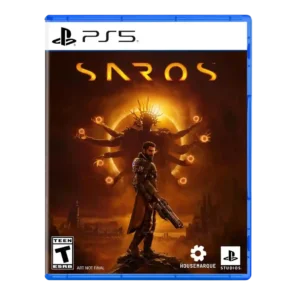
Overall: 4.3/5
Camera controls were specifically praised as quick enough for combat without becoming disorienting.
Pros: narrative quality, combat system
Cons: side character depth, dialogue quality
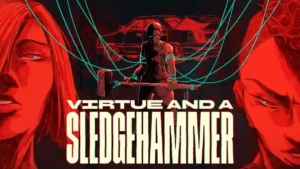
Overall: 3.9/5
Dramatic angles and stylish framing help give scenes visual impact. The camera is praised as part of the game’s distinctive presentation.
Pros: emotional impact, narrative quality
Cons: combat system, core gameplay loop

Overall: 3.7/5
Camera-related options were appreciated, especially the ability to adjust head bob and camera shake for comfort.
Pros: combat system, narrative quality
Cons: difficulty balance, enemy variety
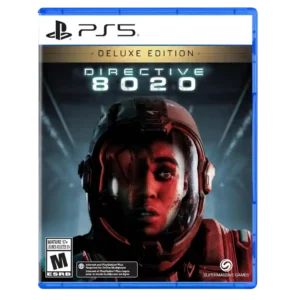
Overall: 4.2/5
Camera behavior had positive support where the shift to first person intensified the vent sequence.
Pros: horror tension, gameplay mechanics
Cons: AI behavior, polish

Overall: 4.1/5
Camera quality ranges from very smooth zooming and panning on console to occasional difficulty controlling or taming it in dense scenes.
Pros: fun factor, graphics quality
Cons: learning curve, bug frequency

Overall: 4.2/5
Vehicle-follow and first-person views are enjoyable for admiring the network, while mouse camera control is mostly easy but occasionally behaves unpredictably.
Pros: user interface design, gameplay mechanics
Cons: learning curve, tutorial quality

Overall: 4.3/5
Free camera control makes exploration more natural and lets players appreciate rebuilt spaces. It also loses some deliberately composed views, and occasional lock-on conflicts remain.
Pros: remake/remaster quality, overall quality
Cons: difficulty balance, menu usability
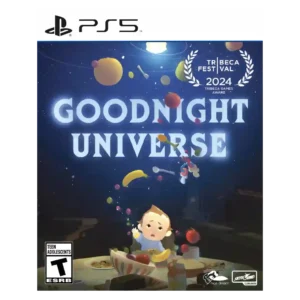
Overall: 4.2/5
Camera behavior was central and mixed: several reviewers loved or respected the webcam/blink mechanics, but others found detection finicky, awkward, mechanical, or platform-dependent.
Pros: narrative quality, emotional impact
Cons: controls responsiveness, platform-specific feature support
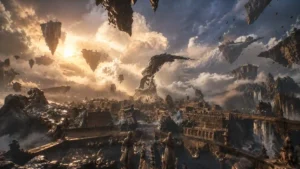
Overall: 4.5/5
Cinematic camera cuts can make successful counters feel dramatic and satisfying. Tight spaces occasionally produce frustrating camera behavior outside those highlights.
Pros: narrative quality, combat system
Cons: map and navigation design, menu usability
Overall: 4.4/5
The camera usually feels tactile and smooth, especially when switching viewpoints or lining up shots. Tool use can become awkward when movement is restricted while the camera is raised.
Pros: game length, gameplay mechanics
Cons: innovation, difficulty balance

Overall: 4.0/5
More deliberate dialogue angles and cinematic framing help a basic story feel more involving. The presentation is a noticeable step up for these players.
Pros: overall quality, DLC value
Cons: difficulty balance, pacing
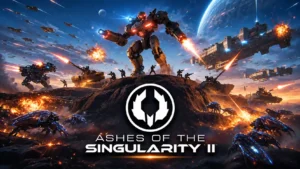
Overall: 3.8/5
Wide strategic zoom supports battlefield oversight, even when crowded interfaces make the overview harder to use.
Pros: fun factor, Battle scale
Cons: narrative quality, unit roster quality

Overall: 3.7/5
The match camera was praised for keeping players close to the action while remaining readable. That framing helps the fast rallies feel immediate without becoming hard to follow.
Pros: fun factor, gameplay mechanics
Cons: tutorial quality, onboarding experience

Overall: 2.4/5
An optional third-person anomaly is part of the more playful modifier set, giving some runs a noticeably different camera feel.
Pros: co-op experience, soundtrack quality
Cons: upgrade system, faithfulness to franchise
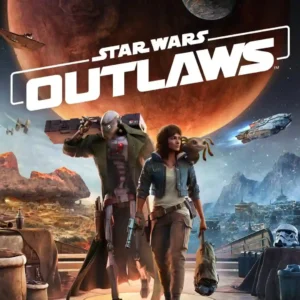
Overall: 3.5/5
Camera behavior is uneven, with complaints around traversal, depth-of-field, and vehicle visibility, though later updates improve some rough interactions.
Pros: fun factor, originality
Cons: stealth mechanics, combat system

Overall: 3.7/5
The combat camera was described as mostly well behaved, helping the fast battle system keep a cohesive flow.
Pros: narrative quality, combat system
Cons: remake/remaster quality, value for money
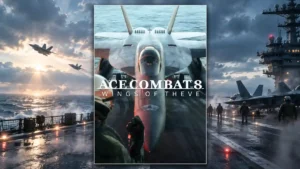
Overall: 3.8/5
Cockpit and first-person perspectives are widely praised for immersion and spectacle, although visibility and field-of-view limitations can make them less comfortable.
Pros: narrative quality, fun factor
Cons: dialogue quality, difficulty balance

Overall: 4.3/5
Cinematic takedown cameras make wrecks spectacular and can heighten the racing thrill. Their timing sometimes returns control just before another obstacle, while the close on-foot camera attracts separate complaints.
Pros: fun factor, overall quality
Cons: difficulty balance, pacing

Overall: 3.4/5
The pull-back route-planning camera is widely valued for scouting and appreciating the climb, though free rotation and visibility can occasionally contribute to frustration.
Pros: narrative quality, emotional impact
Cons: difficulty balance, gameplay mechanics

Overall: 4.1/5
Camera reactions range from praise for well-timed scenic framing to complaints about sluggish behavior in combat. The inconsistency matters most when fast attacks demand quick responses.
Pros: overall quality, DLC value
Cons: difficulty balance, innovation

Overall: 3.7/5
Camera adjustment can help make play comfortable. Gamepad users may need to increase movement sensitivity to get a better feel.
Pros: overall quality, shopkeeping system
Cons: performance optimization, pacing

Overall: 4.2/5
Camera behavior was split between praise for clear tracking and complaints about awkward perspective shifts.
Pros: co-op experience, content variety
Cons: writing quality, narrative quality

Overall: 4.0/5
Camera behavior is split between one review calling it solid and another saying it leaves a lot to be desired.
Pros: combat system, boss design
Cons: narrative quality, difficulty balance

Overall: 3.7/5
The first-person viewpoint generally heightens vulnerability, intimacy, and horror. A few reviewers find it makes spatial awareness or rough combat behavior harder to read, creating a real tradeoff.
Pros: horror tension, puzzle design
Cons: stealth mechanics, fun factor

Overall: 3.8/5
Cinematic framing, focus, and scene composition are praised for strengthening emotional moments. The controllable view can be much less cooperative, making it difficult to line up objects for interaction.
Pros: narrative quality, overall quality
Cons: pacing, gameplay mechanics

Overall: 4.0/5
Zooming out helps with planning across connected puzzle screens. The fixed grid perspective can also feel monotonous to players wanting more visual variety.
Pros: overall quality, puzzle design
Cons: narrative quality, difficulty balance

Overall: 4.2/5
The slanted viewpoint suits the painted world and adds an unsettling visual quality. It can occasionally make depth harder to judge.
Pros: overall quality, art direction
Cons: pacing, economy and resource balance

Overall: 3.0/5
Wide scenic shots showcase Persephone beautifully, but occasional locked angles, close-ups, and awkward framing can interfere with movement.
Pros: narrative quality, graphics quality
Cons: movement feel, stealth mechanics

Overall: 3.9/5
The new zoomed-out and Player One-focused camera options are welcomed for making local co-op easier to read and follow. There are still moments where the wider framing or multiplayer camera...
Pros: fun factor, multiplayer design
Cons: matchmaking quality, map and navigation design

Overall: 3.8/5
Dynamic camera movement can add energy without hurting play, but another critic found the camera too zoomed out. The result is generally workable with occasional readability concerns.
Pros: replay value, difficulty balance
Cons: game length, boss design

Overall: 4.1/5
Golf’s tracking camera and terrain information can improve shot planning. Volleyball’s perspective is less helpful for judging the action and timing a return.
Pros: core gameplay loop, content variety
Cons: economy and resource balance, art direction
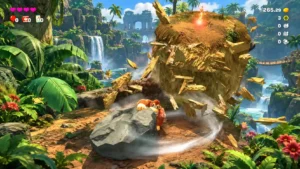
Overall: 4.4/5
The camera divides opinion: some find its underground views remarkably intuitive, while others struggle with close angles, sluggish tracking, or restricted challenge-room views.
Pros: overall quality, world interactivity
Cons: frame rate stability, boss design

Overall: 3.8/5
The over-the-shoulder view makes exploration easier to control, but some players feel losing fixed angles weakens surprise and dread.
Pros: remake/remaster quality, horror tension
Cons: combat system, frame rate stability