Best for onboarding experience
Virtua Fighter 5 R.E.V.O. World Stage
5.0 attribute score
Highest scored product for this attribute based on supporting review evidence.

Highest scored product for this attribute based on supporting review evidence.
Balances the attribute score, supporting reviews, and overall product strength.
Has the broadest review evidence for this attribute.
Strongest overall product among items with scored evidence for this attribute.
Overall: 4.1/5
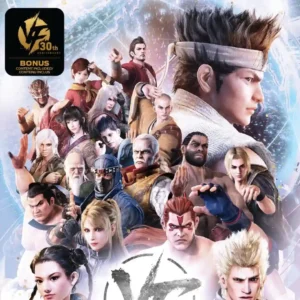
World Stage and expanded training tools form a strong bridge for newcomers, letting them learn safely before facing experienced online opponents.
Pros: remake/remaster quality, combat system
Cons: content variety, character customization
Overall: 4.0/5
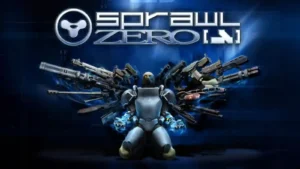
No knowledge of the original SPRAWL is required, and the mechanics are easy to pick up despite their unusual weapon rules.
Pros: fun factor, core gameplay loop
Cons: difficulty balance, narrative quality

Overall: 3.2/5
Tutorials, contextual guidance and introductory systems are a clear strength, helping new managers understand the game's dense responsibilities without excessive hand-holding.
Pros: gameplay mechanics, animation quality
Cons: user interface design, bug frequency
Overall: 3.9/5
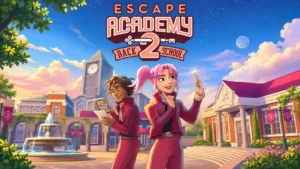
Finding your locker and dorm introduces mechanics through welcoming puzzles while building anticipation for the school ahead.
Pros: puzzle design, overall quality
Cons: graphics quality, frame rate stability
Overall: 4.4/5
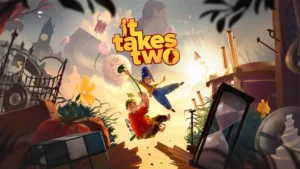
On-screen prompts and intuitive controls ease players into the game’s ever-changing gadgets without lengthy mechanical explanations.
Pros: co-op experience, content variety
Cons: humor, side character depth

Overall: 3.7/5
The opening establishes Logan and the basic combat clearly, but several reviewers feel the game takes too long to unlock its most enjoyable abilities.
Pros: fun factor, combat system
Cons: originality, level design
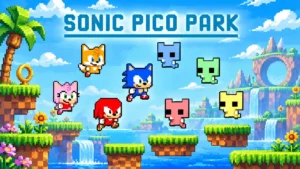
Overall: 4.4/5
A quick introduction teaches jumping, spin dashing and teamwork through simple early stages. The game gets groups collaborating within minutes.
Pros: co-op experience, faithfulness to franchise
Cons: replay value, game length
Overall: 4.2/5
Onboarding was praised for introducing many systems without overwhelming the player.
Pros: narrative quality, replay value
Cons: difficulty balance, pacing
Overall: 3.3/5
Systems are introduced gradually instead of through a long opening lecture, helping the game feel approachable from the start.
Pros: combat system, soundtrack quality
Cons: narrative quality, exploration quality
Overall: 3.9/5
The included content, modernized controls and standalone story make this an inviting starting point for first-time players.
Pros: graphics quality, value for money
Cons: performance optimization, frame rate stability
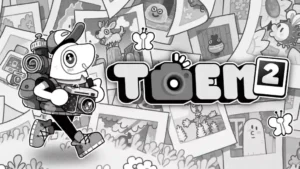
Overall: 4.4/5
New traversal abilities are introduced naturally through the opening sequence, letting players learn by doing instead of stopping for heavy instruction.
Pros: game length, gameplay mechanics
Cons: innovation, difficulty balance

Overall: 4.7/5
The opening teaches the fundamentals quickly through a mix of explicit instruction and natural play, helping players understand the matchstick, slide, and other core tools without much friction.
Pros: difficulty balance, boss design
Cons: innovation, sandbox freedom

Overall: 4.2/5
Onboarding was consistently strong because World Tour, guides, and Modern controls taught fundamentals without isolating newcomers.
Pros: accessibility options, combat system
Cons: narrative quality, frame rate stability
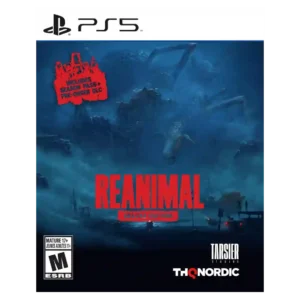
Overall: 3.9/5
The opening is praised as a strong onboarding sequence that sets mood, mechanics, and scale without heavy exposition.
Pros: narrative quality, atmosphere
Cons: puzzle design, fun factor
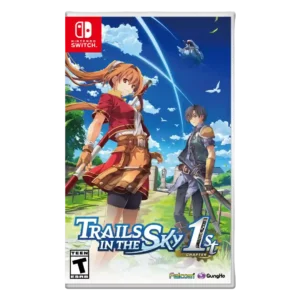
Overall: 4.4/5
Reviewers consistently considered this remake an approachable starting point for newcomers to the Trails series.
Pros: remake/remaster quality, combat system
Cons: content variety
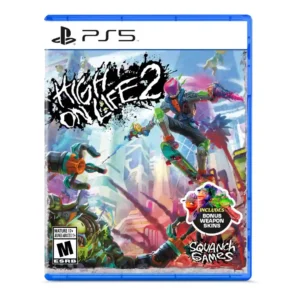
Overall: 3.3/5
The interactive opening montage is widely praised as a funny, efficient way to recap events while teaching the basics and getting players into the action quickly.
Pros: writing quality, fun factor
Cons: bug frequency, combat system
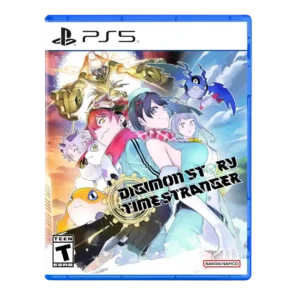
Overall: 3.9/5
The game was repeatedly described as newcomer-friendly, with reviewers saying prior Digimon knowledge was not required.
Pros: progression system, narrative quality
Cons: pacing, content variety
Overall: 4.2/5
The gentle structure makes a promising first experience with video games for young Bluey fans.
Pros: overall quality, faithfulness to franchise
Cons: polish, animation quality
Overall: 3.3/5
The opening stages teach through gradual additions rather than overwhelming explanation. That clear, interactive introduction remains one of the reasons the game works so well for first-time strategy players.
Pros: fun factor, remake/remaster quality
Cons: graphics quality, soundtrack quality
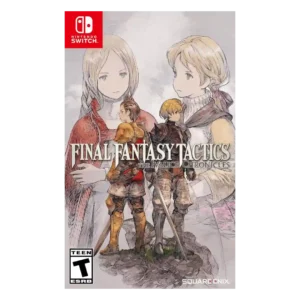
Overall: 4.3/5
Onboarding was much better than older versions thanks to clearer systems, retries, State of the Realm, and more newcomer-friendly presentation.
Pros: remake/remaster quality, voice acting
Cons: content variety, camera behavior

Overall: 4.3/5
Onboarding is praised for spectacular openings and smooth early introductions, though one reviewer felt the game later floods players with content.
Pros: graphics quality, accessibility options
Cons: AI behavior, difficulty balance

Overall: 4.5/5
The opening quickly establishes the setting, personal stakes, and central mystery without lengthy exposition. Its emotional impact is repeatedly singled out as unusually strong.
Pros: narrative quality, combat system
Cons: map and navigation design, menu usability

Overall: 3.7/5
Phone microphones and clear singing prompts make the game quick to start with little preparation. The setup is geared toward casual gatherings.
Pros: accessory compatibility, ease of use
Cons: content completeness, minigame quality
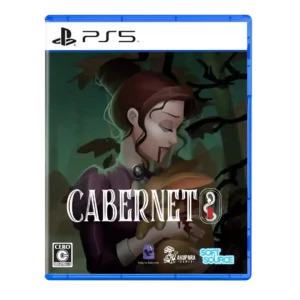
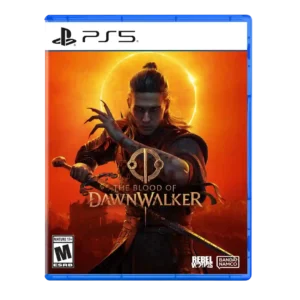
Overall: 4.0/5
Onboarding was praised for teaching controls, lore, stats, and vampiric rules through the opening narrative rather than through intrusive instruction.
Pros: narrative quality, voice acting
Cons: bug frequency, menu usability

Overall: 4.0/5
Onboarding is often praised through practice tools, story-as-tutorial design, and beginner ramps, though tutorial quality itself varies.
Pros: combat system, accessibility options
Cons: narrative quality, matchmaking quality
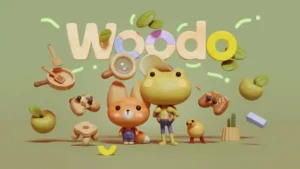
Overall: 4.2/5
A playful opening and orientation cues teach the controls quickly, making the first diorama easy to enter.
Pros: art direction, narrative quality
Cons: difficulty balance, replay value

Overall: 3.9/5
The clear catch-battle-trade structure makes the games a strong introduction to classic Pokémon, helped by simple controls and optional guidance rather than heavy hand-holding.
Pros: fun factor, faithfulness to franchise
Cons: remake/remaster quality, value for money
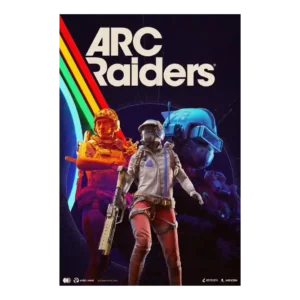
Overall: 4.1/5
Many reviewers called Arc Raiders unusually approachable for an extraction shooter thanks to free loadouts, solo matchmaking, and forgiving progress.
Pros: sound design, combat system
Cons: voice acting, menu usability
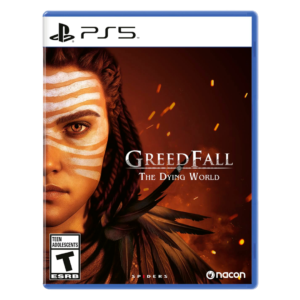
Overall: 3.2/5
Several players find the opening effective at establishing culture, mechanics, and stakes, while others think it runs far too long. As an introduction to the world it is rich, but...
Pros: narrative quality, side character depth
Cons: combat system, polish
Overall: 4.0/5
The prologue is widely praised for establishing Coen, the world, and the stakes, though a few previews found its earliest errands conventional. Its consequences quickly turn familiar tutorial tasks into...
Pros: combat system, fun factor
Cons: content variety, polish

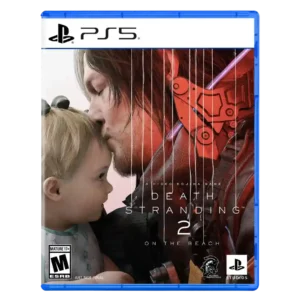
Overall: 4.2/5
The dramatic opening creates immediate intrigue for some players, while gradual mechanical teaching helps new players learn the systems.
Pros: overall quality, combat system
Cons: pacing, random encounter design
Overall: 4.3/5
Onboarding is praised for clearer instructions, a stronger opening, and a better job of pulling players into the systems.
Pros: narrative quality, combat system
Cons: difficulty balance, weapon balance

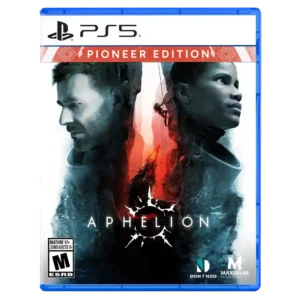
Overall: 4.3/5
The game often teaches mechanics as they become relevant, which can feel natural and immersive. Its intentionally light guidance may still frustrate players who want every system explained upfront.
Pros: combat system, difficulty balance
Cons: progression system, bug frequency
Overall: 3.0/5
The crash sequence introduces movement and stakes quickly, creating an energetic opening that teaches the basics without a long delay.
Pros: narrative quality, graphics quality
Cons: movement feel, stealth mechanics
Overall: 4.1/5
A clear explanation of the basics and a breezy tutorial help preview players get into the action quickly.
Pros: overall quality, combat system
Cons: learning curve, boss design
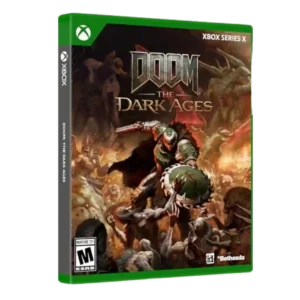
Overall: 3.8/5
Onboarding was praised for welcoming new players and easing them into the revised systems.
Pros: combat system, weapon balance
Cons: flying mechanics, narrative quality
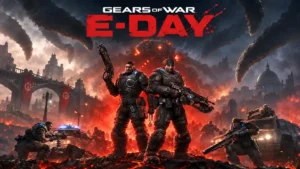
Overall: 4.0/5
Practice space, customizable controls, and clearer placement of active-reload information are designed to ease newcomers into Gears without forcing veterans to abandon familiar habits.
Pros: combat system, graphics quality
Cons: exploration quality, mission design

Overall: 3.8/5
Newcomers can pick up the mechanics quickly, and prior knowledge of the first game is unnecessary. The colorful presentation and familiar platforming language make it easy to start.
Pros: replay value, difficulty balance
Cons: game length, boss design

Overall: 4.5/5
The basics are quick to understand and objectives provide direction without excessive handholding, making the early game approachable despite later complexity.
Pros: town-building system, exploration quality
Cons: grind level, fast travel convenience
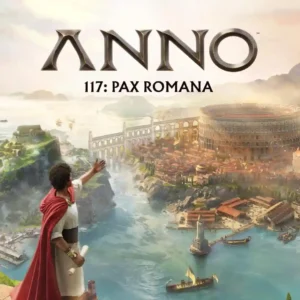
Overall: 4.1/5
The campaign can provide a strong structured introduction, gradually exposing players to trade, culture, and production before sandbox freedom opens up.
Pros: fun factor, graphics quality
Cons: learning curve, bug frequency
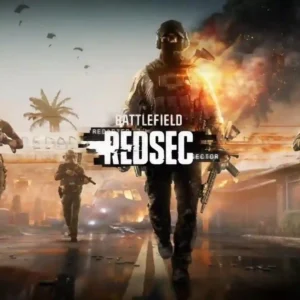
Overall: 3.8/5
Familiar Battlefield and Warzone-style conventions make REDSEC easy to understand quickly, even if that familiarity contributes to its identity problem.
Pros: fun factor, battle mode quality
Cons: multiplayer design, replay value

Overall: 4.3/5
The collection’s onboarding is praised for making it easy to start learning mechanics through clear tools and approachable options.
Pros: content variety, value for money
Cons: cross-play support, competitive balance
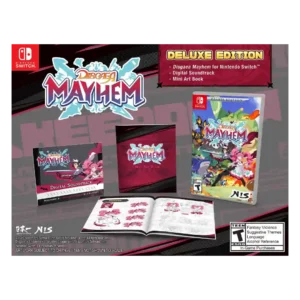
Overall: 2.9/5
The demo gets players into action immediately and communicates the basic feel quickly, making it welcoming even without extensive instruction.
Pros: fun factor, progression system
Cons: difficulty balance, combat system

Overall: 3.8/5
Onboarding is helped by shared command layouts, smart controls, and quick-to-learn basics, though advanced mechanics still demand study.
Pros: content variety, gameplay mechanics
Cons: learning curve, user interface design
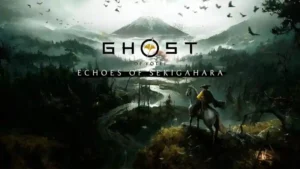
Overall: 4.1/5
Most Wanted provides a contained way to relearn combat before returning to the open world. That makes it a helpful route back after a long break.
Pros: overall quality, DLC value
Cons: difficulty balance, innovation
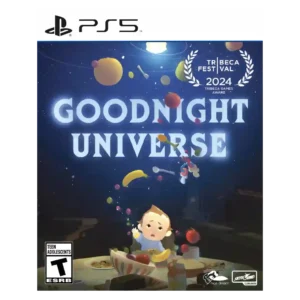
Overall: 4.2/5
The onboarding was praised for easing players into Isaac’s powers through natural tutorialization.
Pros: narrative quality, emotional impact
Cons: controls responsiveness, platform-specific feature support
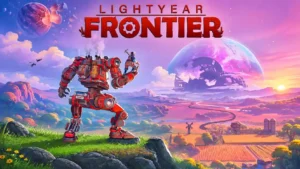
Overall: 3.9/5
The forgiving design makes the initial experience welcoming to players with a wide range of skills.
Pros: art direction, exploration quality
Cons: narrative quality, inventory management
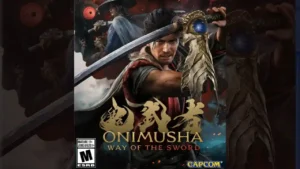
Overall: 4.1/5
The easiest Story setting is praised as an effective introduction to modern timing-based action, especially because it teaches defensive responses without turning the game into a passive tutorial.
Pros: combat system, fun factor
Cons: pacing, open-world design
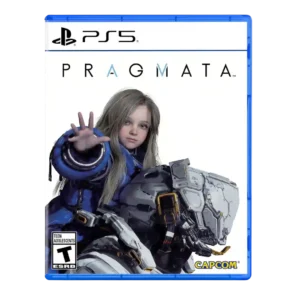
Overall: 4.3/5
The onboarding experience is positive, easing players into shooting, movement, and hacking without dragging out the opening hours.
Pros: combat system, emotional impact
Cons: map and navigation design, platforming precision
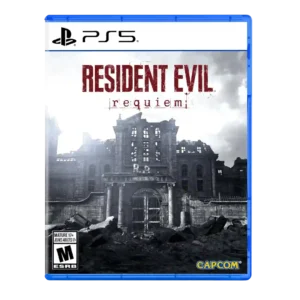
Overall: 4.4/5
Onboarding was praised for easing players into story and lore without demanding deep series knowledge immediately.
Pros: pacing, combat system
Cons: originality