Best for checkpoint system
It Takes Two
5.0 attribute score
Highest scored product for this attribute based on supporting review evidence.

Highest scored product for this attribute based on supporting review evidence.
Balances the attribute score, supporting reviews, and overall product strength.
Has the broadest review evidence for this attribute.
Strongest overall product among items with scored evidence for this attribute.
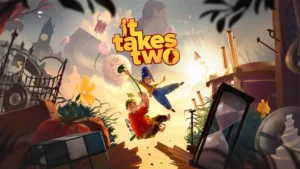
Overall: 4.4/5
Instant or rapid respawns and generous checkpoints keep failure from destroying momentum. Even tougher boss fights usually preserve enough progress to encourage experimentation.
Pros: co-op experience, content variety
Cons: humor, side character depth

Overall: 4.0/5
The checkpoint and respawn system was strongly praised for instant, forgiving recovery with almost no penalty for mistakes.
Pros: co-op experience, puzzle design
Cons: controls responsiveness, replay value

Overall: 4.7/5
Tents are praised for being frequent, sensibly placed, and often close to bosses, reducing frustrating runbacks and making experimentation easier.
Pros: difficulty balance, boss design
Cons: innovation, sandbox freedom

Overall: 3.9/5
Modern checkpoints and rewind-style retries are praised for preventing long battles from becoming punishing full restarts.
Pros: remake/remaster quality, graphics quality
Cons: difficulty balance, voice acting

Overall: 4.0/5
Checkpoint placement is praised, especially checkpoints before bosses that reduce runback frustration.
Pros: combat system, boss design
Cons: narrative quality, difficulty balance

Overall: 4.0/5
Frequent green-gate checkpoints are generous and keep deaths from becoming overly punishing.
Pros: fun factor, core gameplay loop
Cons: difficulty balance, narrative quality
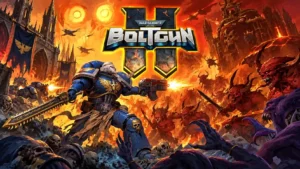
Overall: 4.0/5
Checkpoints generally limit lost progress and make retries feel fair rather than frustrating.
Pros: overall quality, replay value
Cons: narrative quality, difficulty balance

Overall: 3.8/5
Generous checkpoints reduce the sting of deaths and keep difficult sections from forcing long replays.
Pros: remake/remaster quality, horror tension
Cons: combat system, frame rate stability
Overall: 3.0/5
Immediate boss retries are a welcome touch, removing long runbacks and making repeated attempts much less tedious.
Pros: boss design, exploration quality
Cons: combat system, narrative quality

Overall: 3.2/5
Generous autosaves soften the impact of technical problems by keeping forced reloads from costing much progress.
Pros: narrative quality, side character depth
Cons: combat system, polish

Overall: 4.4/5
The checkpoint system is praised as a quality-of-life improvement because it reduces frustration around difficult optional challenges.
Pros: combat system, faithfulness to franchise
Cons: narrative quality, frame rate stability

Overall: 3.3/5
Losing a fight immediately offers a retry or reload option, making experimentation forgiving and reducing lost progress.
Pros: combat system, soundtrack quality
Cons: narrative quality, exploration quality

Overall: 4.2/5
Frequent checkpoints quickly return players to action after a missed input. They reduce the penalty for failing a timed sequence.
Pros: overall quality, remake/remaster quality
Cons: Noir Mode, polish

Overall: 4.4/5
Failure seldom causes significant lost progress, with stages resetting nearly instantly. Quick retries encourage playful experimentation instead of turning repeated mistakes into a slog.
Pros: co-op experience, faithfulness to franchise
Cons: replay value, game length

Overall: 3.5/5
The checkpoint system was praised for letting players retain damage dealt in Rogue Mega fights without penalty.
Pros: combat system, exploration quality
Cons: graphics quality, voice acting
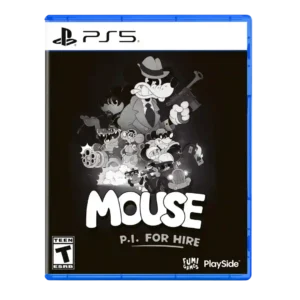
Overall: 4.0/5
Frequent, well-placed save points keep deaths from forcing long repeats. The generous checkpointing is convenient, though habitual savers may find it excessive.
Pros: fun factor, art direction
Cons: weapon balance, gameplay mechanics

Overall: 3.8/5
Frequent rest saves and floor restarts make trying again much less punishing than traditional roguelites. This accessibility is welcome to story fans but less attractive to punishment seekers.
Pros: character route variety, combat system
Cons: localization support, strategic depth

Overall: 4.3/5
Deaths are softened by short runbacks, persistent environmental unlocks, and natural checkpoints between larger rest sites. This keeps difficult encounters from becoming excessively repetitive.
Pros: combat system, companion AI

Overall: 4.3/5
Saros’ checkpoint-like structure and biome restart options were praised for reducing repetition and respecting time.
Pros: narrative quality, combat system
Cons: side character depth, dialogue quality

Overall: 4.0/5
The checkpoint system was praised for autosaving and Wells of Dreams respecting player time.
Pros: combat system, movement feel
Cons: narrative quality, difficulty balance

Overall: 4.1/5
Saving progress between boss phases is widely appreciated for removing repetitive retries. A minority would prefer stricter hard-mode rules, and checkpoint spacing can vary between regions.
Pros: combat system, gameplay mechanics
Cons: narrative quality, frame rate stability
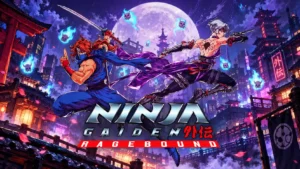
Overall: 4.4/5
Frequent checkpoints and quick returns make demanding sections more manageable. Most appreciate the reduced repetition after death, though a few find the spacing or healing rules uneven.
Pros: overall quality, difficulty balance
Cons: frame rate stability, performance optimization

Overall: 4.2/5
The checkpoint system was consistently praised for generosity, fast respawns, and reducing frustration.
Pros: co-op experience, content variety
Cons: writing quality, narrative quality

Overall: 3.9/5
Checkpointing is praised as sensible, generous, and forgiving, helping reduce trial-and-error frustration.
Pros: narrative quality, atmosphere
Cons: puzzle design, fun factor

Overall: 4.2/5
Sites of Grace are generally placed close enough to major fights that failed attempts do not require long runbacks, keeping repeated boss attempts focused on the fight itself.
Pros: performance optimization, frame rate stability
Cons: controller ergonomics, platform-specific feature support

Overall: 4.2/5
The checkpoint system was praised for keeping players close to the action and reducing stress after failures.
Pros: narrative quality, emotional impact
Cons: controls responsiveness, platform-specific feature support

Overall: 4.0/5
Checkpoints were praised as well placed and supported by abundant shortcuts.
Pros: combat system, open-world design
Cons: narrative quality, performance optimization

Overall: 4.0/5
Generous automatic checkpoints limit how much progress is lost after a mistake. They help soften unexpectedly tricky platforming and timed sections.
Pros: overall quality, fun factor
Cons: remake/remaster quality, controls responsiveness
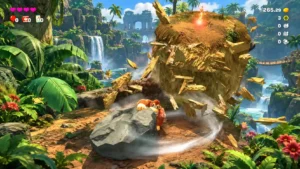
Overall: 4.4/5
Getaways provide valuable recovery and temporary health benefits, becoming especially helpful as the later challenges intensify.
Pros: overall quality, world interactivity
Cons: frame rate stability, boss design

Overall: 4.3/5
Well-placed autosaves are a welcome convenience. They reduce the practical friction of resuming the adventure.
Pros: remake/remaster quality, overall quality
Cons: difficulty balance, menu usability
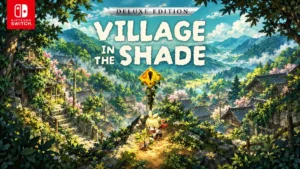
Overall: 4.2/5
Minecart checkpoints remove the need to repeat already-cleared floors on each expedition. That makes deeper quarry runs less tedious.
Pros: overall quality, art direction
Cons: pacing, economy and resource balance

Overall: 4.2/5
The checkpoint system appears much improved because detection in tailing missions no longer forces instant desynchronization.
Pros: graphics quality, remake/remaster quality
Cons: DLC value, multiplayer design

Overall: 3.9/5
Reusable healing gongs and closer respawns reduce lost progress and repeated traversal. Automatic checkpoints in the modern mode are especially welcome, although occasional backtracking remains.
Pros: archival bonus content, remake/remaster quality
Cons: minigame quality, narrative quality

Overall: 3.9/5
Generous checkpoints and quick recovery make experimentation less costly in the open mission. Retrying generally has little loading friction on Switch 2.
Pros: overall quality, narrative quality
Cons: weapon balance, choice impact

Overall: 4.1/5
Quick restarts near failed fights and puzzle steps keep setbacks manageable and reduce the cost of trying again.
Pros: puzzle design, social features
Cons: enemy variety, polish

Overall: 4.0/5
Encounter checkpoints reduce the need to repeat entire bosses or wave sequences after dying, softening some demanding setpieces.
Pros: narrative quality, art direction
Cons: combat system, difficulty balance
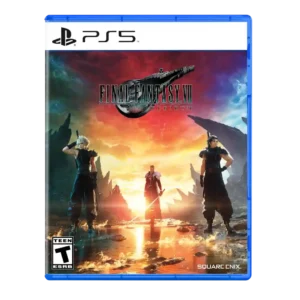
Overall: 4.3/5
The checkpoint system is praised for reducing repetition during tricky chocobo-taming sections.
Pros: combat system, content variety
Cons: pacing, movement feel

Overall: 4.3/5
Act checkpoints preserve completed story progress instead of sending every failure back to the opening qualification. That protection is appreciated within an otherwise demanding repeat-run structure.
Pros: fun factor, overall quality
Cons: difficulty balance, pacing

Overall: 4.5/5
Quick restarts and forgiving checkpoints keep dangerous missions moving without excessive repetition.
Pros: immersion, graphics quality
Cons: grind level, controls responsiveness

Overall: 4.2/5
The checkpoint and rewind-style Turning Points system was mostly praised, though one preview said the demo did not show enough to judge it fully.
Pros: horror tension, gameplay mechanics
Cons: AI behavior, polish

Overall: 4.0/5
Remembered puzzle positions make leaving and returning convenient. Long interconnected sections can still demand extensive repetition when a full reset becomes necessary.
Pros: overall quality, puzzle design
Cons: narrative quality, difficulty balance
Overall: 3.8/5
Restoration pods are generally well spaced and create relief, strategy, and fast boss retries, though bug-related reloads can still cost meaningful progress.
Pros: atmosphere, exploration quality
Cons: map and navigation design, bug frequency
Overall: 3.2/5
Checkpoint placement is generally forgiving around difficult encounters, and post-launch updates add more resurrection points to reduce runbacks further.
Pros: fun factor, narrative quality
Cons: boss design, exploration quality
Overall: 4.3/5
Altars and frequent waypoints usually make recovery convenient and preserve exploration progress. Earlier problematic respawns weaken confidence in that safety net.
Pros: town-building system, overall quality
Cons: grind level, AI behavior
Overall: 3.7/5
A helpful return warp lets defeated players resume a dungeon without losing their route, although disconnects can bypass that convenience and force longer repeat runs.
Pros: open-world design, graphics quality
Cons: narrative quality, endgame content

Overall: 3.8/5
Quick recovery and forgiving restarts keep most failures from interrupting the cooperative flow for long.
Pros: fun factor, puzzle design
Cons: difficulty balance, narrative quality
Overall: 4.0/5
Autosaving is a welcome convenience among the remake’s practical improvements.
Pros: frame rate stability, overall quality
Cons: visual effects quality, humor
Overall: 3.7/5
Checkpoint-style safe areas were viewed as effective risk-reward tools that restored resources while increasing enemy pressure.
Pros: combat system, companion AI
Cons: open-world design, movement feel

Overall: 4.0/5
Checkpointing had limited positive support because one reviewer noted autosaves before frustrating action segments.
Pros: narrative quality, voice acting
Cons: bug frequency, menu usability
Overall: 4.5/5
Frequent checkpoints help soften the cost of fast, punishing battle deaths. They provide useful reassurance when a missed reaction can end an encounter quickly.
Pros: narrative quality, combat system
Cons: map and navigation design, menu usability