Best for death mechanics
Annihilated
5.0 attribute score
Highest scored product for this attribute based on supporting review evidence.

Highest scored product for this attribute based on supporting review evidence.
Balances the attribute score, supporting reviews, and overall product strength.
Has the broadest review evidence for this attribute.
Strongest overall product among items with scored evidence for this attribute.

Overall: 3.8/5
Defeat generally sends players back to the current floor with opportunities to adjust resources. The low penalty encourages experimentation, though some want greater consequences.
Pros: character route variety, combat system
Cons: localization support, strategic depth

Overall: 3.8/5
A failed run ends with the shooting star slowly becoming another light in the sky, making failure feel graceful and unusually beautiful.
Pros: core gameplay loop, art direction
Cons: learning curve, controls responsiveness

Overall: 4.5/5
Defeat usually brings resources, fresh dialogue, or useful knowledge instead of a sense of wasted time. That productive return is a major reason the repeated-run structure works.
Pros: overall quality, combat system
Cons: pacing, grind level
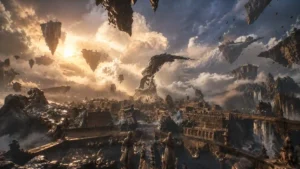
Overall: 4.5/5
Retries and reserve-party options help limit the frustration of losing a battle. Death is less disruptive when it does not erase substantial progress or upset exploration position.
Pros: narrative quality, combat system
Cons: map and navigation design, menu usability

Overall: 4.1/5
Short runs and unlock progress soften the sting of defeat, making a failed attempt feel useful.
Pros: overall quality, combat system
Cons: learning curve, boss design
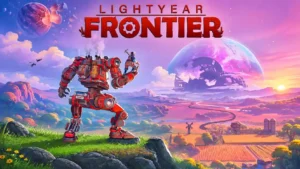
Overall: 3.9/5
Nearby respawns without lost resources or money keep exploration mistakes forgiving in the described Early Access build.
Pros: art direction, exploration quality
Cons: narrative quality, inventory management

Overall: 4.0/5
Rewinding after a death makes recovery forgiving and keeps the focus on trying another solution.
Pros: overall quality, puzzle design
Cons: narrative quality, difficulty balance

Overall: 3.8/5
Battle retries reduce the cost of failure and avoid repeating earlier sections. Optional penalty changes and quick recovery can further soften older frustrations.
Pros: remake/remaster quality, combat system
Cons: graphics quality, controls responsiveness

Overall: 3.3/5
Failure usually contributes to faster growth on the next attempt, preserving a sense of forward motion. That cushion is satisfying even for some players who dislike the repeated-run structure.
Pros: art direction, gameplay mechanics
Cons: overall quality, combat system

Overall: 3.7/5
Keeping permanent improvements softens the cost of failed runs and helps unsuccessful attempts feel productive.
Pros: combat system, overall quality
Cons: progression system, difficulty balance

Overall: 3.8/5
Vehicle destruction is generally forgiving thanks to checkpoint restarts and relaxed delivery options. These recovery systems help reduce the penalty for physics-driven mistakes.
Pros: core gameplay loop, overall quality
Cons: map and navigation design, driving mechanics
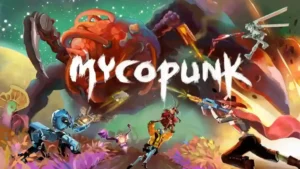
Overall: 3.8/5
Reassembling a teammate’s scattered body creates unusual, tense rescues. Failure without permanent character loss also makes trying new approaches less intimidating.
Pros: upgrade system, overall quality
Cons: solo play quality, progression system

Overall: 3.7/5
Quick respawns in the Labyrinth make deaths less punishing than they are in the real world. This helps players retry its more unusual passages without a lengthy recovery.
Pros: faithfulness to franchise, narrative quality
Cons: combat system, boss design
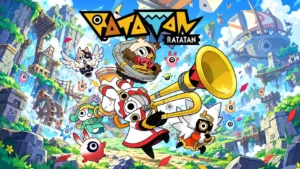
Overall: 3.6/5
Keeping loot and learning from failed attempts makes losing feel productive. Automatically returning troops also reduces the risk of an abruptly failed expedition.
Pros: art direction, soundtrack quality
Cons: combat readability, grind level

Overall: 4.0/5
Unlimited lives provide a welcome safety net when navigation or platforming becomes unclear. Mistakes do not exhaust a limited stock of attempts.
Pros: overall quality, fun factor
Cons: remake/remaster quality, controls responsiveness

Overall: 3.7/5
Immediate retries in Birth by Sleep reduce the friction of losing important fights by avoiding a return to a distant checkpoint.
Pros: overall quality, graphics quality
Cons: frame rate stability, remake/remaster quality
Overall: 3.8/5
Surviving a grab instead of suffering an automatic one-hit death reduces frustration. The additional escape opportunity makes failure less punishing.
Pros: overall quality, atmosphere
Cons: stealth mechanics, AI behavior

Overall: 3.9/5
The option to continue after health runs out avoids losing progress. That forgiving approach suits the focus on narrative rather than punishment.
Pros: emotional impact, narrative quality
Cons: combat system, core gameplay loop
Overall: 3.6/5
Cloning leaves your old body behind and can add defects that encourage a return trip. Several enjoy the extra decisions and tension, while another dislikes the stacking punishment and potential...
Pros: overall quality, art direction
Cons: map and navigation design, difficulty balance
Overall: 3.9/5
Operator recovery and persistent rewards soften failed extractions without removing the tension of risking gear. Some players still find the amount lost on death excessively punishing.
Pros: overall quality, narrative quality
Cons: weapon balance, choice impact
Overall: 4.1/5
Keeping resources and cleared progress after death removes much of the usual punishment. This saves time for some players, while others miss the tension of more consequential failure.
Pros: combat system, gameplay mechanics
Cons: narrative quality, frame rate stability

Overall: 4.0/5
Permanent unlocks can make failed runs feel productive. Sudden early defeats after successful runs remain frustrating when equipment luck changes sharply.
Pros: gameplay mechanics, overall quality
Cons: difficulty balance, originality
Overall: 3.7/5
Boss rewards and currency placed outside the arena make failed attempts less punishing. Forgiving fall penalties also help keep traversal mistakes from becoming expensive setbacks.
Pros: combat system, boss design
Cons: narrative quality, difficulty balance

Overall: 4.0/5
Several accounts appreciate low-cost failure and quick retries. Inconsistent fall detection and an inability to reset cleanly after bad collisions are the major exceptions.
Pros: movement feel, fun factor
Cons: platforming precision, polish
Overall: 3.5/5
Forgiving retries encourage persistence and reduce lost progress, especially during boss phases. The limited penalty also weakens the sense of danger for players seeking survival pressure.
Pros: world-building, overall quality
Cons: horror tension, gameplay mechanics
Overall: 4.3/5
Configurable death losses let players remove unwanted corpse runs. Earlier reports of bugged recovery and permanently lost loot are far less welcome than deliberate gameplay risk.
Pros: town-building system, overall quality
Cons: grind level, AI behavior
Overall: 3.9/5
Keeping progress and experience after death can make retries feel productive. Poor respawn positions and lengthy returns to danger still create frustration.
Pros: overall quality, art direction
Cons: difficulty balance, progression system

Overall: 3.9/5
Voluntary resets can turn a failed plan into a smarter attempt without erasing what you have learned. Forced restarts and artificial death barriers occasionally make that recovery feel less fair.
Pros: overall quality, progression system
Cons: map and navigation design, tutorial quality

Overall: 4.2/5
Forgiving retries and limited penalties make failure manageable. One player finds the lack of a stronger consequence too lenient to preserve the stakes.
Pros: overall quality, art direction
Cons: pacing, economy and resource balance

Overall: 3.9/5
The modern mode reduces frustrating progress loss, but losing all lives can still force an unforgiving stage restart. How much that bothers you depends on tolerance for older platformer penalties.
Pros: archival bonus content, remake/remaster quality
Cons: minigame quality, narrative quality
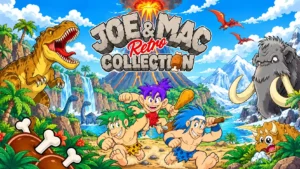
Overall: 3.9/5
Sudden or bizarre instant deaths remain a frustrating part of the older design. The finale’s removal of limited lives and continues is a welcome improvement.
Pros: overall quality, collector appeal
Cons: difficulty balance, content completeness
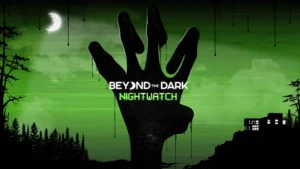
Overall: 3.5/5
Death preserves useful knowledge but forces substantial repetition. One account finds the next attempt motivating, while others find the loss of progress disruptive and discouraging.
Pros: overall quality, originality
Cons: stealth mechanics, horror tension

Overall: 2.9/5
Repeated deaths increase infection and can eventually send you back to an earlier save. The idea offers an unusual risk-and-reward twist, but punishing loops and limited infection effects draw criticism.
Pros: graphics quality, exploration quality
Cons: map and navigation design, horror tension
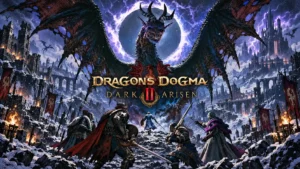
Overall: 4.0/5
Abundant resurrection resources can drain the tension from failure. This account finds that the safety net removes too much of the original adventure's meaningful risk.
Pros: overall quality, DLC value
Cons: difficulty balance, pacing

Overall: 4.0/5
One-hit kills can be discouraging, especially in boss encounters. Learning when to avoid those enemies helps, but does not remove the frustration.
Pros: narrative quality, art direction
Cons: combat system, difficulty balance

Overall: 3.4/5
Fainting can remove items and charge a rescue fee that feels especially punishing early on. Repeated losses turn wildlife encounters into a major source of frustration.
Pros: exploration quality, farming system
Cons: movement feel, soundtrack quality