Best for horror tension
Well Dweller
5.0 attribute score
Highest scored product for this attribute based on supporting review evidence.

Highest scored product for this attribute based on supporting review evidence.
Balances the attribute score, supporting reviews, and overall product strength.
Has the broadest review evidence for this attribute.
Strongest overall product among items with scored evidence for this attribute.

Dark journeys and the Deep North can be genuinely chilling, using uncertainty and hostile environments to create tension without losing the game's cozy contrast.
Pros: town-building system, exploration quality
Cons: grind level, fast travel convenience

The game is praised for being unsettling rather than purely scary, using grotesque designs, scale, and dark fairy-tale imagery to create sustained unease without depending on jump scares.
Pros: difficulty balance, boss design
Cons: innovation, sandbox freedom

Large-scale combat can create strong tension when objectives and enemy pressure converge, giving some modes an engaging push-and-pull rhythm.
Pros: multiplayer design, level design
Cons: fun factor, narrative quality
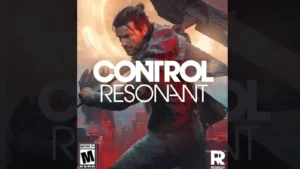
The strangest spaces still generate strong cosmic-horror unease, using impossible geometry, isolation, and paranormal imagery to make exploration feel unsettling.
Pros: combat system, narrative quality
Cons: boss design, map and navigation design
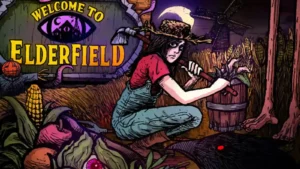
The horror relies more on persistent unease, grotesque imagery, and normalized weirdness than nonstop jump scares. That restraint makes it unusually effective for many players while still being intense enough...
Pros: combat system, difficulty balance
Cons: progression system, bug frequency
The asylum chapter is the standout horror moment, with stalking, disturbing imagery, puzzles, and a helpless-player setup that several horror-focused reviewers find genuinely effective.
Pros: fun factor, originality
Cons: combat system, narrative quality
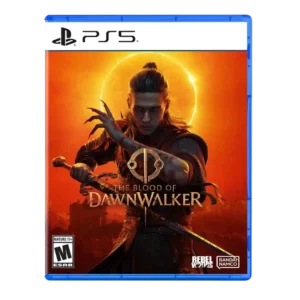
The vampire imagery and threat can be genuinely frightening, while the tragic side of vampirism gives the horror more than simple gore. The strongest moments use restraint and consequence to...
Pros: combat system, fun factor
Cons: content variety, polish
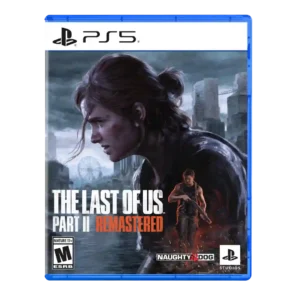
Horror tension was praised for causing anxiety, dread, and memorable scare sequences.
Pros: content variety, narrative quality
Cons: pacing
Street firefights and Dark Zone encounters create strong white-knuckle tension, especially when valuable loot or survival is at risk.
Pros: content variety, controls responsiveness
Cons: narrative quality, menu usability
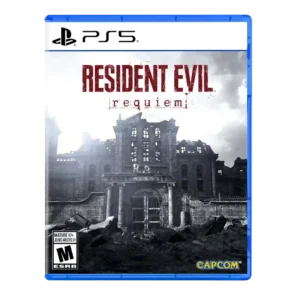
Horror tension was broadly praised, especially Grace’s early sections, though some reviews found the scares frontloaded or less intense than past entries.
Pros: pacing, combat system
Cons: originality
Limited light, dwindling air, and sudden mutant danger create sustained fear beyond simple jump scares. Horror works especially well during slower, methodical play and optional exploration.
Pros: graphics quality, overall quality
Cons: AI behavior, pacing
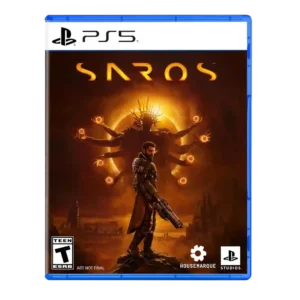
Horror tension was supported through praise for dread, anxiety, cosmic horror, and the unsettling eclipse-driven world.
Pros: narrative quality, combat system
Cons: side character depth, dialogue quality
The Locust are presented as frightening and overwhelming, with darkness, civilian casualties, and escalating threats sustaining real dread. The horror tone is widely seen as a successful return to the...
Pros: combat system, graphics quality
Cons: exploration quality, mission design

Horror tension receives limited positive support from the dream/nightmare tone described in one review.
Pros: difficulty balance, art direction
Cons: economy and resource balance, checkpoint system
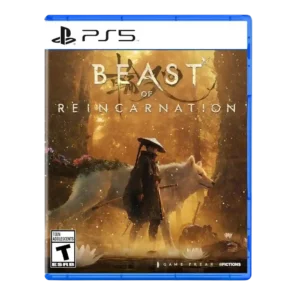
The horror is more unsettling than relentlessly frightening, using corrupted animals and beautiful-but-wrong natural imagery. That restrained tension gives the world an effective eerie edge.
Pros: combat system, companion AI
Shape Jump, stalking, restricted awareness, and Michael’s sudden appearances generate genuine jump scares and sustained moments of dread.
Pros: fun factor, multiplayer design
Cons: bug frequency, AI behavior

The Zone sustains strong horror tension through darkness, invisible threats, emissions, sound cues, and sudden vulnerability. The fear works best when enemies and anomalies behave unpredictably rather than mechanically.
Pros: immersion, fun factor
Cons: bug frequency, AI behavior
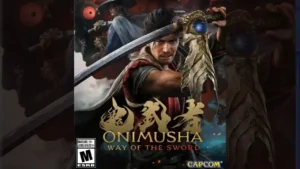
The body horror, grotesque Genma, corrupted environments, and occasional Resident Evil-like sequences add genuine unease without overwhelming the action-adventure focus.
Pros: combat system, fun factor
Cons: pacing, open-world design
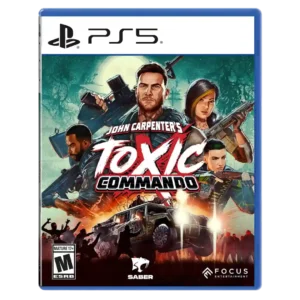
Creepy special infected, huge swarms, and stressful objective setups can create genuine tension even though the overall tone remains more campy action than serious horror.
Pros: fun factor, combat system
Cons: mission variety, progression system
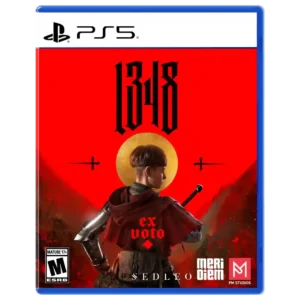
One review strongly praises the quiet dread of the plague-stricken world, where sound and lighting make the setting feel like a grounded medieval tragedy rather than fantasy.
Pros: graphics quality, environmental detail
Cons: combat system, polish
The cursed winery stands out for genuinely eerie audiovisual design, using its soundtrack and setting to create effective unease.
Pros: boss design, exploration quality
Cons: combat system, narrative quality
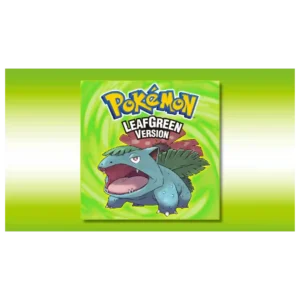
Lavender Town’s eerie mood still lands strongly, with unsettling music and atmosphere giving that stretch of Kanto a memorable edge.
Pros: fun factor, faithfulness to franchise
Cons: remake/remaster quality, value for money
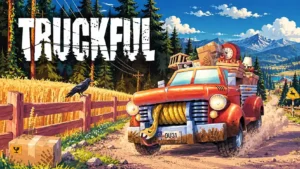
Supernatural trucks, a hostile train, and creeping fog give deliveries a welcome edge. The horror is generally praised as tense while still fitting the cozy tone.
Pros: core gameplay loop, overall quality
Cons: map and navigation design, driving mechanics
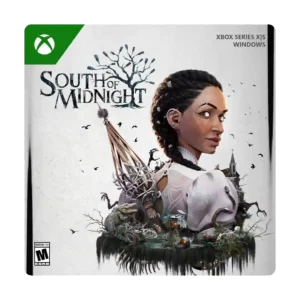
Horror tension was praised as part of the dramatic strength that the game cultivates around dark folklore.
Pros: soundtrack quality, narrative quality
Cons: combat system, enemy variety

Several reviewers compared raids to survival horror because of the fear, sound cues, darkness, and pressure around extraction.
Pros: sound design, combat system
Cons: voice acting, menu usability
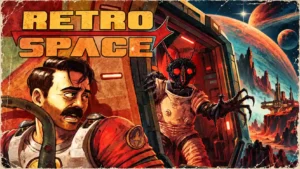
Creature audio, darkness, and strange discoveries can create sustained unease without relying entirely on cheap scares. Growing resources and information-rich upgrades can weaken that tension later.
Pros: overall quality, art direction
Cons: map and navigation design, difficulty balance
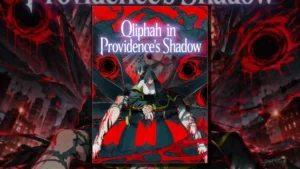
Grotesque monsters, body-horror ideas, dark music, and unsettling imagery create effective horror tension even without constant graphic presentation.
Pros: combat system, originality
Cons: overall quality, narrative quality
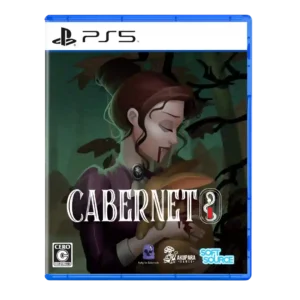
Horror tension had limited positive support from the preview’s praise for the dark, mysterious gothic setup.
Pros: narrative quality, voice acting
Cons: bug frequency, menu usability
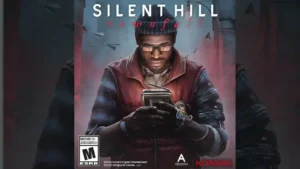
Townfall frequently succeeds at sustained dread, especially in first-person and during stealth-heavy encounters. Some reviewers say repetition or overlong stalker sections eventually turn fear into fatigue or annoyance.
Pros: horror tension, puzzle design
Cons: stealth mechanics, fun factor
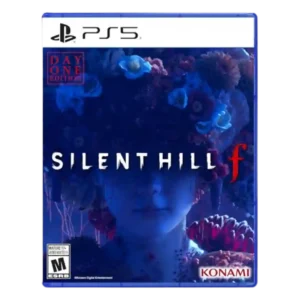
Horror tension was strong for many reviewers, especially in symbolic scenes and chase-like moments, but some felt scares faded or never matched classic dread.
Pros: puzzle design, narrative quality
Cons: combat system, enemy variety

Horror tension was positively supported by unsettling facilities and an unnerving underground atmosphere.
Pros: narrative quality, exploration quality
Cons: combat system, AI behavior
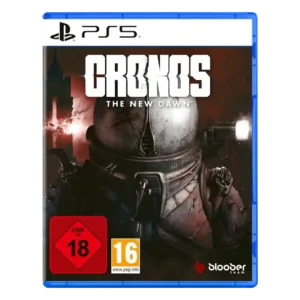
Horror tension was strong but not universal; some reviewers found it deeply tense and paranoia-inducing, while others wished it were scarier.
Pros: combat system, narrative quality
Cons: boss design, puzzle design
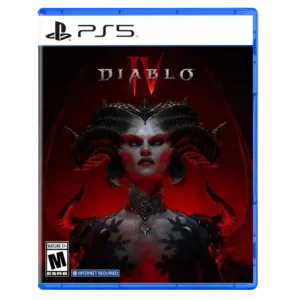
Horror tension was mixed-to-positive, with praise for evil tone but one caveat that some horror imagery became bland through repetition.
Pros: narrative quality, endgame content
Cons: monetization fairness, quest design
The serial-killer backdrop adds welcome weight to ordinary business life for one assessment. The contrast makes the peaceful routine feel more consequential.
Pros: overall quality, shopkeeping system
Cons: performance optimization, pacing
Subtle horror colors some discoveries without making this an overt horror game.
Pros: puzzle design, user interface design
Cons: core gameplay loop, narrative quality
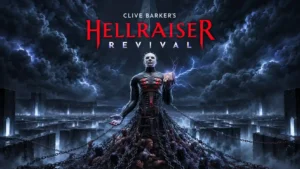
Chatterer pursuits, sensory tricks, and the Labyrinth’s transformations can produce real dread. Repeating the same chase patterns or giving Aiden overwhelming powers can gradually weaken that tension.
Pros: faithfulness to franchise, narrative quality
Cons: combat system, boss design

Tension is one of Marathon’s best tools: quiet looting can turn into a lethal encounter in seconds, and solo Rook runs can feel like survival horror. For some players that...
Pros: fun factor, loot system
Cons: difficulty balance, quest design
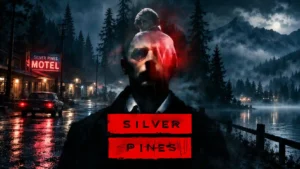
Resource pressure, cryptic threats, and unsettling spaces generate effective dread for many. Others find the game more intriguing than frightening, particularly as exploration takes over.
Pros: overall quality, atmosphere
Cons: boss design, movement feel
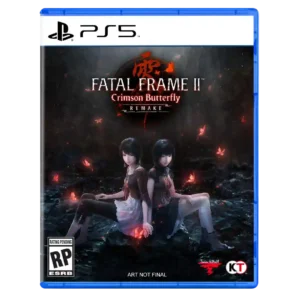
The remake remains intensely creepy and often terrifying, although greater player control and overlong fights can occasionally dilute the fear.
Pros: remake/remaster quality, horror tension
Cons: combat system, frame rate stability
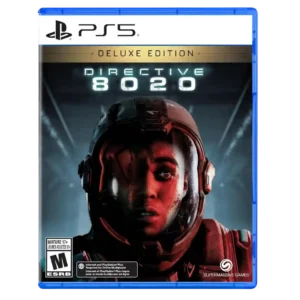
Horror tension was mixed but often strong, with several previews reporting big scares while others found the demo’s stealth and jump scares underwhelming.
Pros: horror tension, gameplay mechanics
Cons: AI behavior, polish

When the survival systems work, walker swarms and scarce resources create impressive tension. One strongly negative source finds the game far too easy and non-threatening, showing how much this depends...
Pros: fun factor, faithfulness to franchise
Cons: combat system, game length
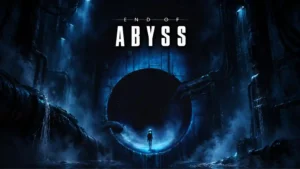
The opening hours create strong unease through darkness, sound, ambushes, and threatening spaces. Tension often fades once enemy placements repeat, the pistol becomes dominant, or progression makes combat too easy.
Pros: atmosphere, exploration quality
Cons: map and navigation design, bug frequency
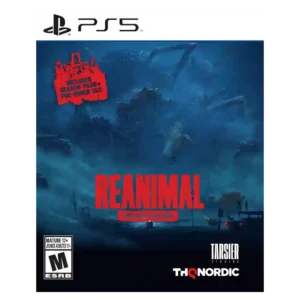
Horror tension is broadly effective but not uniform: many found dread and menace strong, while some said scares were reduced or straightforward.
Pros: narrative quality, atmosphere
Cons: puzzle design, fun factor
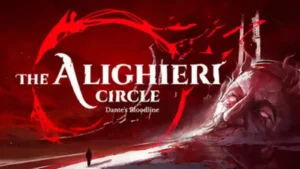
The psychological dread works better than conventional horror for some players, especially through sound and atmosphere. Others find the lack of danger, enemies, or sustained scares leaves the tension too...
Pros: puzzle design, atmosphere
Cons: narrative quality, difficulty balance
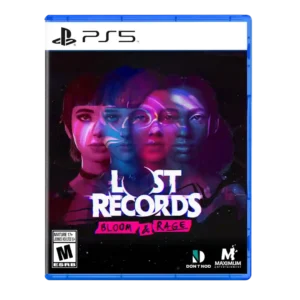
Horror tension had limited evidence and mixed results, with one review praising suspense while another felt the mystery lacked momentum.
Pros: narrative quality, character development
Cons: pacing, gameplay mechanics
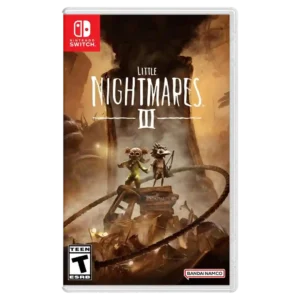
Horror tension was mixed: many praised chills and chase intensity, but several reviewers found it less scary than past games.
Pros: atmosphere, faithfulness to franchise
Cons: puzzle design, co-op experience
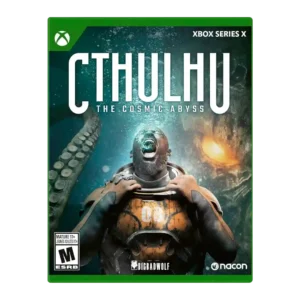
Horror tension was divisive: some reviewers praised restraint and dread, while others felt the game lacked danger, scares, or true cosmic fear.
Pros: puzzle design, atmosphere
Cons: horror tension, crash stability
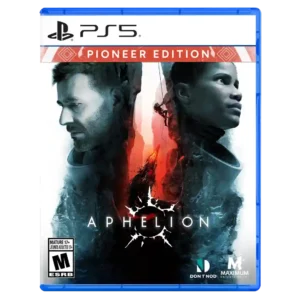
Early Nemesis encounters and environmental audio can be genuinely unnerving, but predictable or inconsistent detection causes the fear to fade.
Pros: narrative quality, graphics quality
Cons: movement feel, stealth mechanics

Horror tension is mixed to weak because BTs can still feel tense, but several reviewers say the sequel reduces their fear factor.
Pros: narrative quality, combat system
Cons: difficulty balance, weapon balance

A horror-leaning quest was criticized for being too short for its dread to fully develop.
Pros: combat system, narrative quality
Cons: save system reliability, learning curve