Best for world interactivity
Donkey Kong Bananza
5.0 attribute score
Highest scored product for this attribute based on supporting review evidence.

Highest scored product for this attribute based on supporting review evidence.
Balances the attribute score, supporting reviews, and overall product strength.
Has the broadest review evidence for this attribute.
Strongest overall product among items with scored evidence for this attribute.

World interactivity was the clearest consensus highlight, with reviewers repeatedly praising the destructible terrain and freedom to reshape spaces.
Pros: fun factor, world interactivity
Cons: frame rate stability, boss design
Gravity Gloves make the environment an active weapon: barrels, grenades, health pods, debris, doors, and even enemies can be manipulated. This physical interactivity is one of the game's strongest defining...
Pros: fun factor, core gameplay loop
Cons: difficulty balance, narrative quality
Physics, destructible scenery, telekinesis, and gravity manipulation make the environment feel like part of the action rather than a static backdrop.
Pros: combat system, narrative quality
Cons: boss design, map and navigation design

Fights make unusually playful use of the environment, from bicycles and signs to destructible interiors and NPC-assisted Heat Actions. That physical interaction helps street brawls feel chaotic and distinctive.
Pros: narrative quality, combat system
Cons: onboarding experience, difficulty balance
The scanner makes doors, objects, weak structures, and route information feel actively discoverable, rewarding players who deliberately inspect the environment.
Pros: atmosphere, exploration quality
Cons: map and navigation design, bug frequency

Reviewers strongly praised world interactivity, especially the many ways to toy with guards, use equipment, and exploit environmental systems.
Pros: remake/remaster quality, graphics quality
Cons: performance optimization, frame rate stability

Terrain, weather, construction, mounts, grappling, and biome-specific interactions make the world feel inhabited rather than like scenery to pass through.
Pros: town-building system, exploration quality
Cons: grind level, fast travel convenience
World interactivity stood out when player actions produced new dialogue, events, enemies, and persistent changes.
Pros: combat system, replay value
Cons: narrative quality, grind level

Small timeline-sensitive changes, such as altered NPC dialogue and consequences across eras, make the world feel responsive rather than purely decorative.
Pros: combat system, fun factor
Cons: difficulty balance, pacing

The world is packed with encounters, treasure, NPCs, and unexpected threats, giving exploration a strong sense that something is always happening nearby.
Pros: performance optimization, frame rate stability
Cons: controller ergonomics, platform-specific feature support

Environmental kill spots turn ordinary household objects into playful, gruesome opportunities and reward experimentation.
Pros: fun factor, multiplayer design
Cons: bug frequency, AI behavior

World interactivity has limited but strong support from one review that praises evolving locations, reactive hubs, and organic backtracking.
Pros: difficulty balance, art direction
Cons: economy and resource balance, checkpoint system

One reviewer praised the City Trial map for shifting between runs and supporting surprising discoveries.
Pros: battle mode quality, content variety
Cons: learning curve, competitive balance

The strongest spaces are more than scenery: windows, doors, vertical routes, and interactive areas can change how a fight or infiltration plays out. Environmental choices have real tactical value.
Pros: fun factor, loot system
Cons: difficulty balance, quest design

Environmental hazards and biome-specific objects add welcome tactical options, letting players knock enemies into traps or use stage elements offensively.
Pros: core gameplay loop, difficulty balance
Cons: narrative quality, load times

The Last Night hub stands out for its tactile feel, with hands-on activities and character interactions giving the ship more personality than a simple menu-based base.
Pros: fun factor, originality
Cons: combat system, narrative quality

Ordinary interactions can trigger dice rolls, risks, blessings, curses, or unexpected outcomes, making the world feel reactive and unpredictable.
Pros: combat system, difficulty balance
Cons: progression system, bug frequency
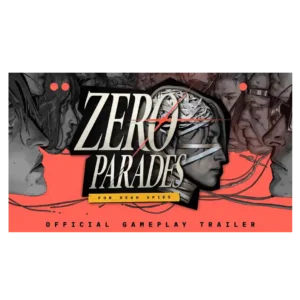
The world reacts richly to choices, clothing, conditioned thoughts, failures, and prior conversations, making small decisions echo into later scenes.
Pros: narrative quality, writing quality
Cons: pacing, bug frequency

Opening cupboards, brushing characters and uncovering inner rooms make the dioramas feel like responsive toys rather than static pictures.
Pros: art direction, narrative quality
Cons: difficulty balance, replay value
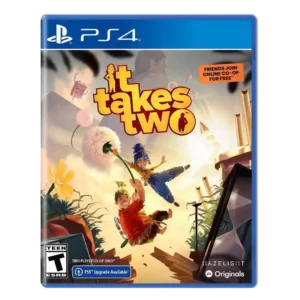
Interactive spaces are a major strength, with reviewers praising playful objects, rewarded curiosity, and dense environmental interactions.
Pros: co-op experience, fun factor
Cons: narrative quality, dialogue quality

Reviewers consistently praised the reactive crime, reputation, NPC, and quest systems that made the world feel alive and responsive.
Pros: combat system, narrative quality
Cons: save system reliability, learning curve

Destruction is one of REDSEC's clearest strengths: buildings collapse, cover can be removed, and the battlefield can change during a fight. It consistently creates spectacle and tactical options.
Pros: fun factor, battle mode quality
Cons: multiplayer design, replay value

Interactivity is one of the standout strengths: a large share of visible objects can be picked up, broken, moved, ridden, or otherwise used for mischief.
Pros: fun factor, puzzle design
Cons: hint system, originality
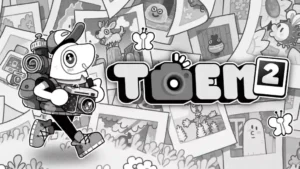
The sequel gives the environment more ways to react to the camera through tools, focus actions, and perspective changes. These interactions help the small spaces feel lively and responsive.
Pros: game length, gameplay mechanics
Cons: innovation, difficulty balance

Aniimo abilities interact naturally with terrain, puzzles, objects, and traversal, making the world feel more systemic and giving newly caught creatures practical value.
Pros: fun factor, gameplay mechanics
Cons: monetization fairness, menu usability
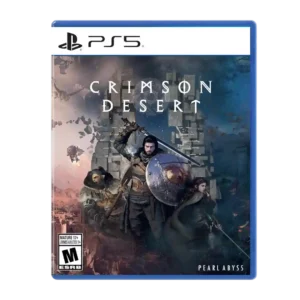
Reviewer evidence is strongly positive: world interactivity was repeatedly praised as a standout strength across 5 review(s).
Pros: combat system, graphics quality
Cons: controls responsiveness, narrative quality

One review highlights extra hub and relationship activities, from gardening to familiars and sparring, as meaningful world interaction.
Pros: combat system, progression system
Cons: originality

Interactive terminals, destructible objects, cameras, vehicles, security systems, and reactive spaces remain one of SiN’s defining strengths, even if old-school obscurity can make some interactions frustrating.
Pros: remake/remaster quality, overall quality
Cons: level design, map and navigation design
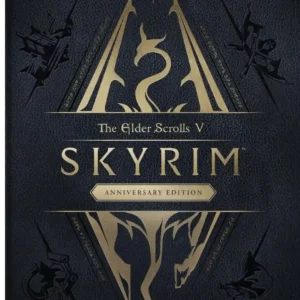
Objects, crafting stations, homes, books, theft, routines, and small physical details make Skyrim unusually interactive. The ability to affect and inhabit ordinary spaces is a major contributor to immersion.
Pros: graphics quality, progression system
Cons: combat system, bug frequency

Terrain, city growth, workers, industries, and reputation respond visibly to transport choices, making network changes feel consequential.
Pros: user interface design, gameplay mechanics
Cons: learning curve, tutorial quality
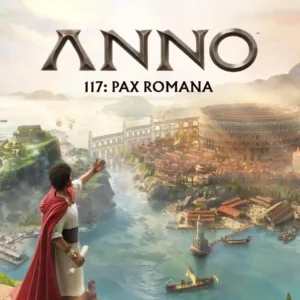
Citizens visibly work, travel, socialize, and react around the city, making close-up observation feel rewarding rather than decorative.
Pros: fun factor, graphics quality
Cons: learning curve, bug frequency

Cut, Surf, Flash, and other field abilities tie exploration to team growth, creating satisfying moments when new tools open previously blocked paths.
Pros: fun factor, faithfulness to franchise
Cons: remake/remaster quality, value for money

Environmental interactions are a standout idea, especially when players can release walkers to attack Saviors or use stage elements tactically.
Pros: fun factor, faithfulness to franchise
Cons: combat system, game length

Liberl feels reactive because NPC conversations and small resident storylines change after major events. That continuity makes revisiting familiar towns feel more meaningful.
Pros: combat system, narrative quality
Cons: pacing, onboarding experience

Habitat restoration makes the environment mechanically meaningful: releasing monsters changes ecosystems, improves future eggs, and ties conservation directly into team building.
Pros: combat system, narrative quality
Cons: difficulty balance, grind level

Reviewers praised the consequence-driven world, noting meaningful choices, character-altering outcomes, and impactful interactions with people and systems.
Pros: narrative quality, voice acting
Cons: bug frequency, menu usability

World interactivity is praised through NPC behavior and small city interactions that make Gotham feel more alive and detailed.
Pros: combat system, exploration quality

Emma can reshape routes by growing bridges, vertical vines, and temporary platforms. These tools make the environment part of both traversal and combat preparation.
Pros: combat system, companion AI

The strongest evidence praised how the game encourages touching, reading, scanning, and physically engaging with its puzzle spaces.
Pros: puzzle design, atmosphere
Cons: horror tension, crash stability

Noise, sound traps, visual cues, item use, and environmental interactions were praised for shaping play.
Pros: sound design, combat system
Cons: voice acting, menu usability

Applying learned abilities to the overworld adds another rewarding layer of puzzling. The larger map can become a meaningful challenge in its own right.
Pros: overall quality, puzzle design
Cons: narrative quality, difficulty balance
Interactive lights let players reshape stealth encounters, while burning webs and reactive scenery make the world feel tangible. Small physical interactions do useful work beyond visual decoration.
Pros: graphics quality, overall quality
Cons: AI behavior, pacing

Many station objects can be picked up and examined, often linking small details to later puzzles.
Pros: puzzle design, user interface design
Cons: core gameplay loop, narrative quality
Devastation, corruption, and faction conquest visibly alter provinces and can even reshape climate, making the campaign world feel more reactive. Some AI-driven transformations can become too dominant.
Pros: gameplay mechanics, fun factor
Cons: AI behavior, polish

World interactivity is a highlight, with reviewers praising destructibility, reactive environments, and combat arenas full of usable opportunities.
Pros: stealth mechanics, combat system
Cons: pacing
Small interactive moments such as flowers, benches, swings, and environmental toys helped the world feel playful and worth engaging with.
Pros: co-op experience, puzzle design
Cons: controls responsiveness, replay value

Destructible scenery adds playful chaos to free roaming, letting cars smash through objects and carve their own paths through the toy-box environments.
Pros: fun factor, open-world design
Cons: collectibles, originality

Environmental interactions such as alarms, windows, radios, and other distractions give players practical ways to manipulate spaces. Some reviewers see this as a meaningful improvement in how tactile the town...
Pros: horror tension, puzzle design
Cons: stealth mechanics, fun factor
The world reacts meaningfully through systems such as infamy, escalating patrols, prices, and other consequences. That responsiveness helps actions feel visible beyond individual quests.
Pros: combat system, fun factor
Cons: content variety, polish

Weather and time of day materially change the climb: rain hurts grip, cold and darkness raise risk, and waiting out conditions becomes part of route strategy.
Pros: narrative quality, emotional impact
Cons: difficulty balance, gameplay mechanics