Best for QTE design
Star Wars: Galactic Racer
4.6 attribute score
Highest scored product for this attribute based on supporting review evidence.

Highest scored product for this attribute based on supporting review evidence.
Balances the attribute score, supporting reviews, and overall product strength.
Has the broadest review evidence for this attribute.
Strongest overall product among items with scored evidence for this attribute.
Pre-race button checks and launch timing turn the starting grid into a satisfying ritual. Recovery inputs and mechanical feedback reinforce the feeling of operating unfamiliar Star Wars machinery.
Pros: fun factor, overall quality
Cons: difficulty balance, pacing
Timed reloading and repairs make equipment feel physical and preparation consequential. Some love that added tension; others find the extra steps frustrating or tiresome after hours of play.
Pros: overall quality, atmosphere
Cons: boss design, movement feel
QTEs add cinematic punctuation to stronger boss encounters, but simpler uses can feel shallow rather than mechanically meaningful.
Pros: fun factor, combat system
Cons: pacing, battle mode quality
Removing or reducing old button-mashing QTE-style interruptions is viewed as a welcome streamlining choice.
Pros: combat system, narrative quality
Cons: difficulty balance, grind level
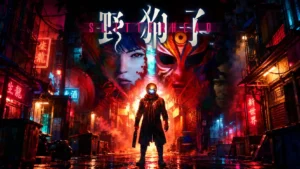
Recovering a severed arm can be an entertaining combat flourish, although one player finds the extra prompt unnecessary.
Pros: gameplay mechanics, originality
Cons: overall quality, combat system
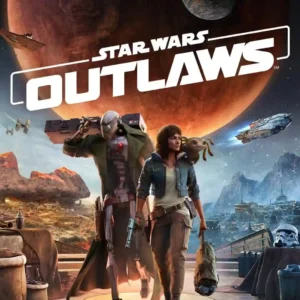
Food QTEs are cute and sometimes reinforce Kay and Nix’s bond, but several critics find the interaction mildly annoying or unnecessarily mandatory.
Pros: fun factor, originality
Cons: stealth mechanics, combat system
The I Quit timing minigame is a fun addition, but the wider spread of match minigames is more divisive. Some add tension while others feel like extra friction.
Pros: fun factor, gameplay mechanics
Cons: grind level, value for money
Quick-time and cinematic prompts heighten spectacle for some players but reinforce the feeling of watching rather than fully controlling the action for others.
Pros: fun factor, combat system
Cons: originality, level design
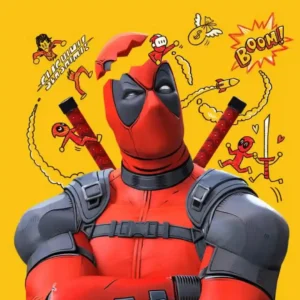
QTEs divide opinion: some find the slow-motion choreography satisfying and readable, while others feel scripted sequences pull control away at the exact moment boss fights should feel most interactive.
Pros: combat system, voice acting
Cons: pacing, boss design
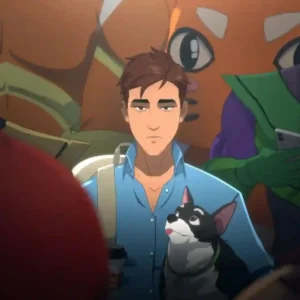
QTEs look great and can add tension, but their low consequences are a frequent complaint. Some reviewers love their cinematic rhythm; others see them as largely illusory interaction.
Pros: choice impact, narrative quality
Cons: gameplay mechanics, QTE design
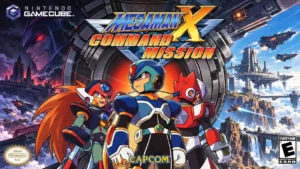
Character-specific inputs make special attacks feel active and distinctive, but their appeal varies. Marino's timing and Cinnamon's stick rotations can frustrate players, while lengthy sequences slow some fights.
Pros: combat system, overall quality
Cons: fun factor, narrative quality
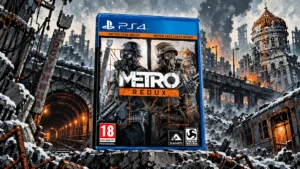
Brief QTEs can heighten danger, but hidden prompts in the harshest modes are much less comfortable. Their appeal depends on whether tension or clear guidance matters more.
Pros: graphics quality, overall quality
Cons: AI behavior, pacing
The late-game QTE timing is unintuitive because pressing too quickly can fail the event, making the prompt feel more confusing than skillful.
Pros: fun factor, faithfulness to franchise
Cons: combat system, game length
The recurring portal input sequence is seen as shallow friction rather than meaningful gameplay. One account calls it unnecessary, while another says the rhythm break adds little and disrupts immersion.
Pros: puzzle design, atmosphere
Cons: narrative quality, difficulty balance

Heat-action prompts can be frustratingly brief or unreliable. Reviewers who struggled with them felt the timing got in the way of otherwise flashy combat.
Pros: narrative quality, combat system
Cons: onboarding experience, difficulty balance
Repeated grab prompts quickly become busywork, and several critics say they interrupt climbing rather than adding meaningful danger.
Pros: narrative quality, graphics quality
Cons: movement feel, stealth mechanics
Post-death and interaction minigames wear out their welcome quickly for several players, turning downtime into repetitive button work rather than meaningful participation.
Pros: fun factor, multiplayer design
Cons: bug frequency, AI behavior
Action prompts are scarce, with very few true QTEs or action sequences to break up the conversation-heavy structure.
Pros: emotional impact, choice impact
Cons: narrative quality, bug frequency
The returning button-mashing weapon clashes were singled out as an unwelcome old mechanic.
Pros: remake/remaster quality, graphics quality
Cons: difficulty balance, voice acting