Best for handheld play suitability
Elder Scrolls V: Skyrim
5.0 attribute score
Highest scored product for this attribute based on supporting review evidence.

Highest scored product for this attribute based on supporting review evidence.
Balances the attribute score, supporting reviews, and overall product strength.
Has the broadest review evidence for this attribute.
Strongest overall product among items with scored evidence for this attribute.
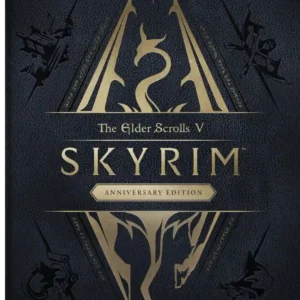
Overall: 4.0/5
Portable Skyrim is repeatedly singled out as a major success. Switch and Switch 2 versions make the huge world easy to dip into anywhere while preserving strong image quality and...
Pros: graphics quality, progression system
Cons: combat system, bug frequency

Overall: 4.3/5
Portable play is a good fit, especially on Steam Deck and Switch hardware. Steam Deck performance drew particularly strong praise, while Switch 2 was seen as convenient but not the...
Pros: choice impact, narrative quality
Cons: gameplay mechanics, QTE design

Overall: 3.8/5
Handheld impressions are excellent, with strong reported performance on both MSI Claw 8 AI+ and Xbox Ally X hardware.
Pros: atmosphere, exploration quality
Cons: map and navigation design, bug frequency
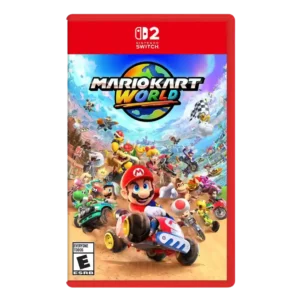
Overall: 3.6/5
Handheld play suitability was excellent in the reviewed evidence, with docked and handheld play described as smooth and visually strong.
Pros: content variety, soundtrack quality
Cons: open-world design, exploration quality

Overall: 3.8/5
The fast stages, modest session length, and light technical demands make the game an especially good fit for portable systems such as Steam Deck and Switch-style hardware.
Pros: replay value, difficulty balance
Cons: game length, boss design

Overall: 4.4/5
The game ran smoothly for players on Steam Deck and ROG Ally. Joystick operation is serviceable, though the point-and-click menus may feel more natural with a mouse.
Pros: art direction, overall quality
Cons: Bike travel interactivity, pacing

Overall: 4.0/5
The game translates very well to handheld play when performance is configured properly. Steam Deck and Switch 2 accounts both highlight smooth portable play without sacrificing the game’s visual appeal.
Pros: movement feel, originality
Cons: difficulty balance, combat system

Overall: 3.3/5
The compact battle structure and map-driven progression are described as an excellent fit for handheld play.
Pros: combat system, originality
Cons: overall quality, narrative quality
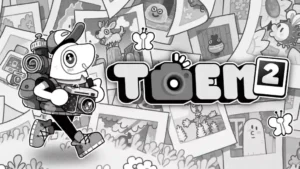
Overall: 4.4/5
The compact sessions and relaxed pace fit portable play especially well. Both Switch 2 and Steam Deck use are described as natural ways to settle into the game.
Pros: game length, gameplay mechanics
Cons: innovation, difficulty balance

Overall: 3.8/5
Gauntlet worked well on PlayStation Portal and looked strong on the handheld screen in the one direct test.
Pros: fun factor, battle mode quality
Cons: multiplayer design, replay value

Overall: 4.2/5
Handheld Switch 2 play stays sharp and smooth, matching the positive docked experience.
Pros: overall quality, faithfulness to franchise
Cons: polish, animation quality

Overall: 4.1/5
Handheld play is an especially strong fit, with smooth performance reported on the ASUS ROG Ally X.
Pros: fun factor, puzzle design
Cons: hint system, originality
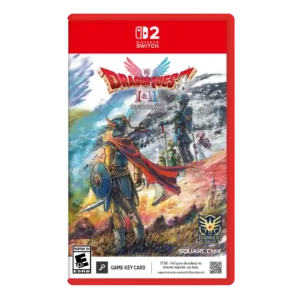
Overall: 4.4/5
Steam Deck play was praised as an ideal way to experience the remakes, helped by performance and save support.
Pros: remake/remaster quality, combat system
Cons: difficulty balance, grind level

Overall: 3.9/5
The demo preview finds the loop structure well suited to portable play. Handheld performance and controlled power consumption support that recommendation.
Pros: overall quality, progression system
Cons: map and navigation design, tutorial quality
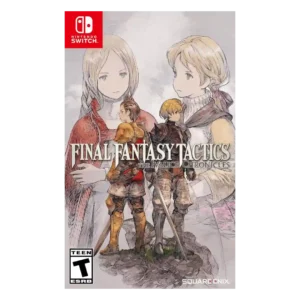
Overall: 4.3/5
Steam Deck and Switch 2 impressions were very positive, with portable play described as smooth and well-suited.
Pros: remake/remaster quality, voice acting
Cons: content variety, camera behavior

Overall: 3.2/5
Shorter levels and bright presentation work particularly well for handheld Switch 2 sessions.
Pros: content variety, family friendliness
Cons: collectibles, level design
Overall: 3.0/5
PlayStation Portal is singled out as an excellent fit, with the smaller screen making the map, pixel art, and side-scrolling action feel more natural and visually cohesive.
Pros: boss design, exploration quality
Cons: combat system, narrative quality
Overall: 4.3/5
The digital-board-game layout fits naturally into a handheld screen, and the presentation remains clear and responsive.
Pros: card-based investigation system, art direction
Cons: time-loop design, grind level
Overall: 4.3/5
Switch 2 delivers an impressively capable portable version, pairing strong performance with mouse-style control options and console simplicity.
Pros: remake/remaster quality, overall quality
Cons: level design, map and navigation design

Overall: 3.6/5
Steam Deck delivers an unexpectedly strong portable experience after adjusting shadows, draw distance, and render scale. The recommended balance keeps gameplay smooth without sacrificing too much clarity.
Pros: overall quality, level design
Cons: innovation, mission design

Overall: 3.5/5
Switch 2 handheld mode is singled out as the strongest way to play that port, smoothing over visual cutbacks while preserving the experience on the go.
Pros: fun factor, originality
Cons: stealth mechanics, combat system

Overall: 4.0/5
Handheld suitability is praised where Steam Deck play is discussed.
Pros: combat system, boss design
Cons: narrative quality, difficulty balance

Overall: 3.3/5
Switch 2 handheld play is described as a particularly natural fit for this kind of retro arcade brawler.
Pros: fun factor, faithfulness to franchise
Cons: combat system, game length

Overall: 4.2/5
The game is reported to play very well on Steam Deck even at high settings. That account supports enjoying the full adventure on a handheld.
Pros: overall quality, remake/remaster quality
Cons: Noir Mode, polish

Overall: 4.5/5
Valheim is described as exceptionally well suited to handheld play, with its scalable visuals and session-friendly sandbox structure fitting the format.
Pros: town-building system, exploration quality
Cons: grind level, fast travel convenience

Overall: 3.9/5
Steam Deck play receives a strong recommendation after a release-day performance update. Carefully chosen settings provide a smooth and visually appealing portable experience.
Pros: emotional impact, narrative quality
Cons: combat system, core gameplay loop

Overall: 4.0/5
Handheld suitability is a major Switch strength, with reviewers praising portability, commute play, and handheld practice despite occasional resolution or controller caveats.
Pros: combat system, accessibility options
Cons: narrative quality, matchmaking quality
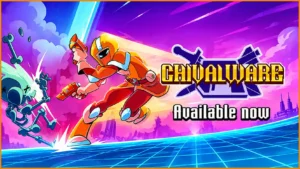
Overall: 4.1/5
Short runs and a compact battlefield make portable play a particularly strong fit. Having the screen closer can make it easier to track tiles and incoming attacks.
Pros: overall quality, combat system
Cons: learning curve, boss design
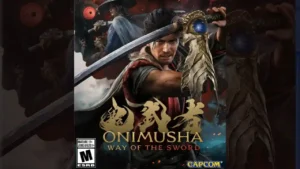
Overall: 4.1/5
Steam Deck and Switch 2 coverage is notably positive, with playable performance and strong visuals on the go despite heavier battery or CPU load in Eastern Kyoto.
Pros: combat system, fun factor
Cons: pacing, open-world design
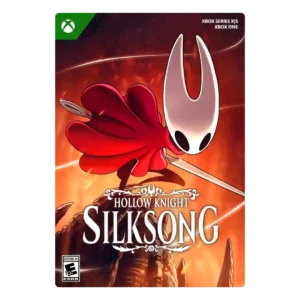
Overall: 4.3/5
Handheld suitability has positive evidence from Steam Deck performance and battery life comments.
Pros: difficulty balance, art direction
Cons: economy and resource balance, checkpoint system
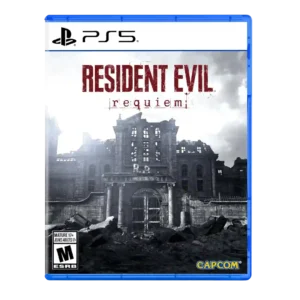
Overall: 4.4/5
Handheld suitability was praised because the Switch 2 version looked and ran well both docked and handheld.
Pros: pacing, combat system
Cons: originality
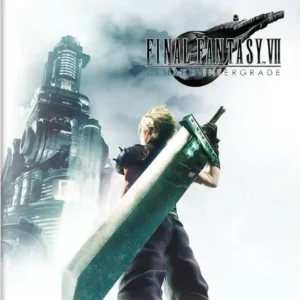
Overall: 4.3/5
Portability is the defining strength: reviewers call handheld play viable, convenient, or the best portable way to play.
Pros: combat system, graphics quality
Cons: pacing, accessibility options

Overall: 3.9/5
Short routes, frequent saving, compact battles, and a portable-first structure make FireRed and LeafGreen especially comfortable in handheld play.
Pros: fun factor, faithfulness to franchise
Cons: remake/remaster quality, value for money
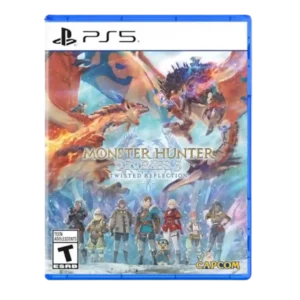
Overall: 4.3/5
Despite Switch 2 performance compromises, the turn-based structure and portable play fit the game well, and several players specifically liked it as a handheld experience.
Pros: combat system, narrative quality
Cons: difficulty balance, grind level

Overall: 4.7/5
Handheld experiences were mostly positive, including strong Switch 2 reports, though one source noted that handheld performance improved through review-period patches.
Pros: difficulty balance, boss design
Cons: innovation, sandbox freedom
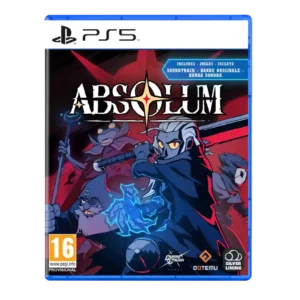
Overall: 4.3/5
Handheld suitability was positive, especially for Steam Deck and Switch, despite small-text and co-op screen caveats.
Pros: combat system, replay value
Cons: narrative quality, grind level

Overall: 4.2/5
Portable play is a strong fit, with attractive visuals across tested devices. Steam Deck impressions are positive apart from small-text concerns and some recommendations to cap refresh rates.
Pros: overall quality, art direction
Cons: pacing, economy and resource balance

Overall: 4.2/5
The pixel presentation looks particularly good on smaller screens, and both Switch 2 and Steam Deck are praised as comfortable ways to play.
Pros: overall quality, combat system
Cons: pacing, random encounter design

Overall: 4.3/5
Portability is a major selling point of the Switch 2 version. Reviewers liked having the full Yakuza experience on the go, even when they preferred other platforms for smoother performance.
Pros: narrative quality, combat system
Cons: onboarding experience, difficulty balance
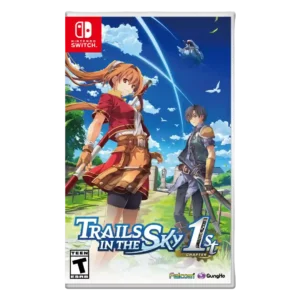
Overall: 4.4/5
Handheld play suitability was praised across Switch/TV, Steam Deck, and short-burst play impressions.
Pros: remake/remaster quality, combat system
Cons: content variety

Overall: 4.5/5
Portable versions are often praised for smooth performance and convenient interrupted play. Small-screen readability can make demanding fights harder for some players.
Pros: overall quality, combat system
Cons: pacing, grind level

Overall: 3.4/5
Portable play is a clear strength, with Switch-focused reviewers praising the bite-sized run structure and strong handheld performance.
Pros: graphics quality, core gameplay loop
Cons: difficulty balance, remake/remaster quality
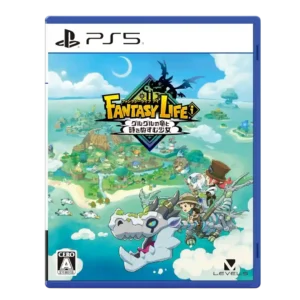
Overall: 4.0/5
Handheld play is praised strongly on Steam Deck and PC handhelds, with some battery caveats elsewhere.
Pros: core gameplay loop, narrative quality
Cons: crafting system, multiplayer design

Overall: 3.8/5
The game performs well on the tested handheld PCs, with particularly enthusiastic Steam Deck impressions. Readable text and functioning controls support portable play.
Pros: core gameplay loop, overall quality
Cons: map and navigation design, driving mechanics

Overall: 3.7/5
Handheld access is a central strength, particularly for older games and portable-origin entries. VRR can soften newer-game fluctuations, although it does not remove every performance issue.
Pros: overall quality, graphics quality
Cons: frame rate stability, remake/remaster quality
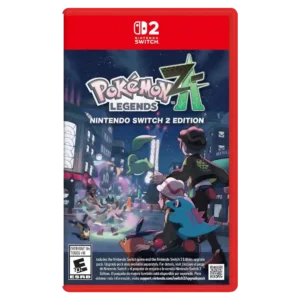
Overall: 3.5/5
Handheld play suitability was positive in the reviews that tested handheld play, especially on Switch 2.
Pros: combat system, exploration quality
Cons: graphics quality, voice acting

Overall: 4.1/5
Steam Deck play earns praise for comfortable controls and readable menus. Adjustable settings support either smoother action or stronger visuals.
Pros: puzzle design, social features
Cons: enemy variety, polish

Overall: 4.0/5
Handheld suitability was praised on ROG Ally and Switch 2 thanks to crisp visuals and run-based structure.
Pros: combat system, movement feel
Cons: narrative quality, difficulty balance

Overall: 4.2/5
Portability is the edition’s defining advantage. Most reviewers enjoy exploring, grinding, or tackling shorter objectives in handheld mode, though battery drain, small text, darker scenes, and Joy-Con comfort can limit...
Pros: performance optimization, frame rate stability
Cons: controller ergonomics, platform-specific feature support

Overall: 4.3/5
Short sessions and readable retro graphics suit portable play, with Steam Deck and Switch handheld presentation frequently praised. Extreme builds can still produce occasional slowdowns on handheld hardware.
Pros: fun factor, upgrade system
Cons: user interface design, grind level