Best for world-building
Elder Scrolls V: Skyrim
5.0 attribute score
Highest scored product for this attribute based on supporting review evidence.

Highest scored product for this attribute based on supporting review evidence.
Balances the attribute score, supporting reviews, and overall product strength.
Has the broadest review evidence for this attribute.
Strongest overall product among items with scored evidence for this attribute.
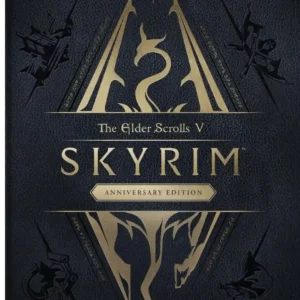
Skyrim’s frozen region, cities, factions, politics, histories, architecture, and ambient details form one of its most celebrated strengths. The world often feels like a character in itself and gives exploration...
Pros: graphics quality, progression system
Cons: combat system, bug frequency
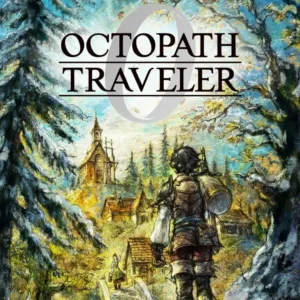
Orsterra is repeatedly praised for feeling interconnected and alive, with evolving regions, NPC backstories, political threads, and consequences that carry across story arcs.
Pros: narrative quality, combat system
Cons: pacing, side character depth

World-building was consistently praised, especially the Japanese folklore, historical setting, regional symbolism, and mythos behind Ebisugaoka and the Dark Shrine.
Pros: puzzle design, narrative quality
Cons: combat system, enemy variety
The game makes its Norse afterlife feel like a place to live in, with visual themes, home-building, danger, and mythology reinforcing one another.
Pros: town-building system, exploration quality
Cons: grind level, fast travel convenience
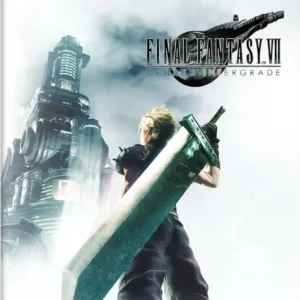
The expanded Midgar turns a few original hours into a dense, memorable city shaped by class, industry, and resistance.
Pros: combat system, graphics quality
Cons: pacing, accessibility options
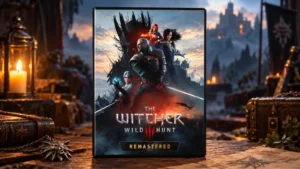
Its living settlements, richly imagined regions and strong narrative continuity make the Continent a compelling place to return to.
Pros: graphics quality, value for money
Cons: performance optimization, frame rate stability
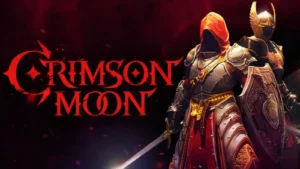
Gildenarch feels more fleshed out than the main plot suggests, with optional lore and environmental storytelling giving the setting extra depth.
Pros: value for money, combat system
Cons: camera behavior, content variety
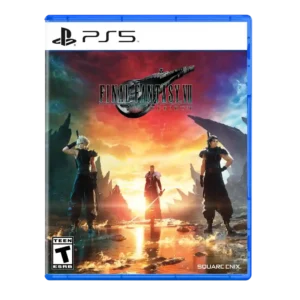
World-building is praised for making Gaia feel more alive, detailed, and newly understandable compared with older versions.
Pros: combat system, content variety
Cons: pacing, movement feel

World-building was a strength in reviews that praised scanning, Lamorn history, and the way environments explained Viewros.
Pros: boss design, graphics quality
Cons: open-world design, side character depth

Personal rooms and everyday clutter make A.R.E.S. feel like a place people lived in.
Pros: puzzle design, user interface design
Cons: core gameplay loop, narrative quality
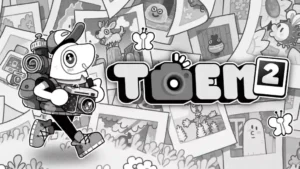
The towns feel full of affection, personality, and quirky everyday life, giving the small journey a strong sense of place. The sequel’s world is often seen as richer and more...
Pros: game length, gameplay mechanics
Cons: innovation, difficulty balance
Immortal Empires is praised as an exceptional digital realization of Warhammer Fantasy, especially once apocalyptic events and post-crisis recovery reshape the world.
Pros: gameplay mechanics, fun factor
Cons: AI behavior, polish
Felicia Bay's Spanish-inspired identity and corruption backstory give the city a distinct personality beyond its roads and bus stops.
Pros: open-world design, fun factor
Cons: AI behavior, polish

World-building is praised through the reviewer’s affection for Dragon Ball's broad world, character history, and lore appeal.
Pros: combat system, accessibility options
Cons: narrative quality, matchmaking quality
Historical maps, factions, landmarks, and contextual detail give players a surprisingly rich sense of the Three Kingdoms setting.
Pros: remake/remaster quality, graphics quality
Cons: difficulty balance, voice acting

Haddonfield feels inhabited rather than empty, with detailed homes and residents giving the town a convincing everyday life for Michael to disrupt.
Pros: fun factor, multiplayer design
Cons: bug frequency, AI behavior
World-building is praised for imagination and character shining through the whole adventure.
Pros: co-op experience, fun factor
Cons: narrative quality, dialogue quality
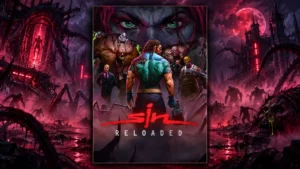
The exaggerated cyberpunk world complements the story well, with distinctive character designs and an appealing dystopian setting.
Pros: remake/remaster quality, overall quality
Cons: level design, map and navigation design

One reviewer strongly praises the way political context and skits make Rieze Maxia feel lived-in rather than merely decorative.
Pros: combat system, remake/remaster quality
Cons: animation quality, environmental detail

The compact districts gain personality through dense detail, recurring locations, side stories, and long-running character relationships. Reviewers describe them as places that feel increasingly familiar and real.
Pros: narrative quality, combat system
Cons: onboarding experience, difficulty balance
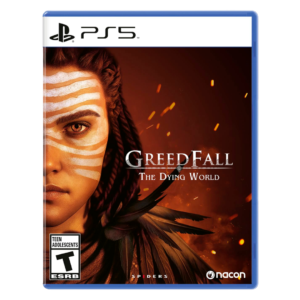
World-building is the clearest consensus strength. Distinct factions, cities, cultures, political tensions, languages, and historical parallels give Gacane and Teer Fradee a rich identity.
Pros: narrative quality, side character depth
Cons: combat system, polish
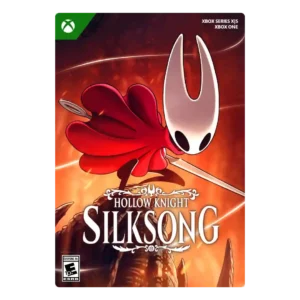
World-building is one of the strongest areas, with reviewers praising Pharloom as immaculate, complex, sad, and worth exploring.
Pros: difficulty balance, art direction
Cons: economy and resource balance, checkpoint system
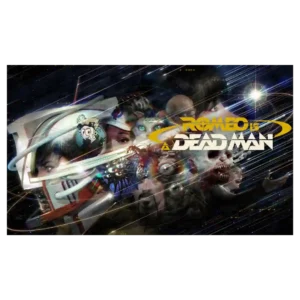
The fractured space-time setting, bizarre institutions, crew, horror detours, and mixed-media presentation create an unusually immersive world for reviewers who embrace the game’s logic.
Pros: fun factor, originality
Cons: combat system, narrative quality
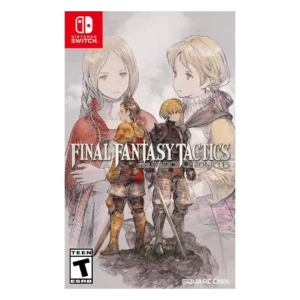
World-building was strongly praised through Ivalice’s politics, history, class conflict, and supporting lore tools.
Pros: remake/remaster quality, voice acting
Cons: content variety, camera behavior

The Lands Between remains one of the game’s signature achievements, combining environmental storytelling, mythology, strange characters, and memorable regions into a world reviewers describe as unusually rich and coherent.
Pros: performance optimization, frame rate stability
Cons: controller ergonomics, platform-specific feature support
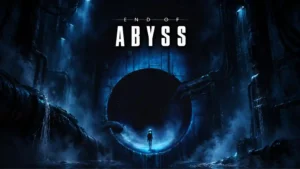
The derelict facility is a compelling character in its own right, with distinct sectors, infection, machinery, environmental clues, and spatial scale doing much of the storytelling.
Pros: atmosphere, exploration quality
Cons: map and navigation design, bug frequency
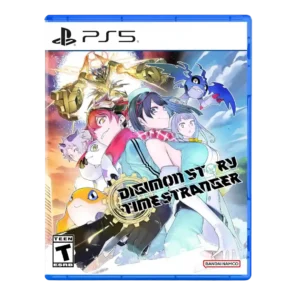
World-building was one of the strongest consensus positives, with the Digital World repeatedly described as alive, lived-in, and full of Digimon society.
Pros: progression system, narrative quality
Cons: pacing, content variety
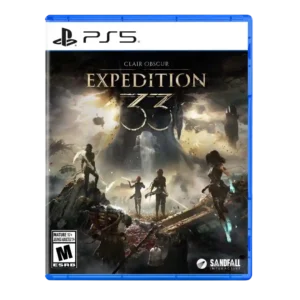
World-building was praised as distinct, rich, and central to the game’s identity.
Pros: narrative quality, combat system
Cons: map and navigation design, menu usability

Midgand’s moral conflicts, regional stories, and changing societies give the setting a stronger sense of history and consequence than its plain environments suggest.
Pros: narrative quality, combat system
Cons: remake/remaster quality, value for money

Liberl’s politics, towns, recurring NPCs, and connections to the wider Trails saga are major strengths. The sequel builds on the first game rather than resetting the world, making prior events...
Pros: combat system, narrative quality
Cons: pacing, onboarding experience
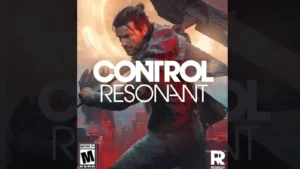
The FBC's bureaucracy, Manhattan's altered neighborhoods, scattered documents, and small survivor stories deepen the setting at nearly every turn. World-building remains one of the sequel's most dependable strengths.
Pros: combat system, narrative quality
Cons: boss design, map and navigation design
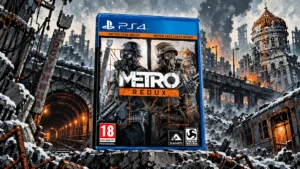
Bustling communities, political factions, makeshift economies, and everyday conversations make the underground feel lived in. World-building is among the collection’s most consistently praised strengths.
Pros: graphics quality, overall quality
Cons: AI behavior, pacing
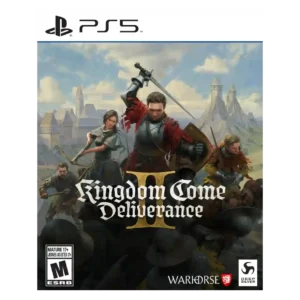
World-building was repeatedly praised as immersive, historically grounded, and central to the game’s appeal.
Pros: combat system, narrative quality
Cons: save system reliability, learning curve
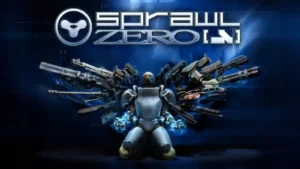
The dystopian city, factions, propaganda, architecture, and hidden lore create a richer setting than the lightweight main plot alone suggests.
Pros: fun factor, core gameplay loop
Cons: difficulty balance, narrative quality

World-building was praised for Seattle’s detail, environmental storytelling, and the way the sequel frames grief and factions.
Pros: content variety, narrative quality
Cons: pacing

The town feels like more than a backdrop, with familiar buildings, troubled histories, and systems rooted in its period setting. Its shifting character is a major reason the mystery holds...
Pros: overall quality, atmosphere
Cons: boss design, movement feel
World-building was praised for making the setting feel grotesquely alive.
Pros: pacing, combat system
Cons: originality
World-building was consistently praised for its living town, memorable characters, political themes, folklore, and richly imagined Eastern European vampire society.
Pros: narrative quality, voice acting
Cons: bug frequency, menu usability
Portofiro is a richly layered city shaped by debt, empire, propaganda, local culture, and personal survival. Its history, neighborhoods, and residents make it one of the game’s most consistently praised...
Pros: narrative quality, writing quality
Cons: pacing, bug frequency

World-building received near-universal praise for its authentic, rarely explored Deep South folklore, history, and cultural texture.
Pros: soundtrack quality, narrative quality
Cons: combat system, enemy variety
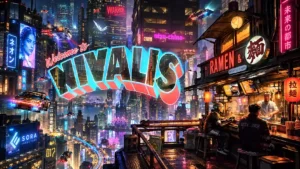
The city excels at making corporate dystopia feel personal through suppliers, neighbors, workers, and their problems. Its atmosphere and human stories often carry the experience beyond the strength of individual...
Pros: overall quality, shopkeeping system
Cons: performance optimization, pacing
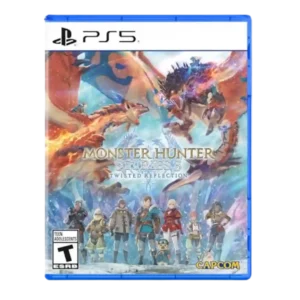
The warring kingdoms, ecological crisis, inhabited biomes, and conservation premise give the setting more texture and purpose than a typical backdrop.
Pros: combat system, narrative quality
Cons: difficulty balance, grind level

World-building is praised for Greek myth reinterpretation, relationship-driven lore, and the broader conflict around the Underworld and Olympus.
Pros: combat system, progression system
Cons: originality
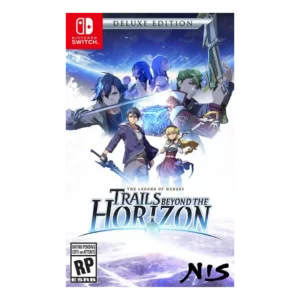
World-building was strongly praised for a detailed setting and revelations that shook reviewers’ understanding of the series.
Pros: narrative quality, combat system
Cons: onboarding experience, pacing
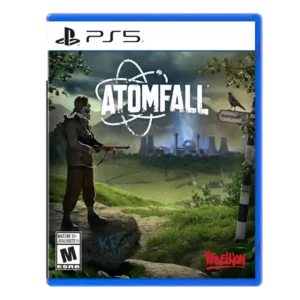
World-building was one of the strongest attributes, especially the British quarantine-zone identity, folk horror, and distinctive alternate-history setting.
Pros: narrative quality, exploration quality
Cons: combat system, AI behavior

The town’s greatest trick is making eldritch absurdity feel ordinary, from skeleton neighbors to haunted malls and strange local broadcasts. Most impressions find that world unusually cohesive, memorable, and rewarding...
Pros: combat system, difficulty balance
Cons: progression system, bug frequency
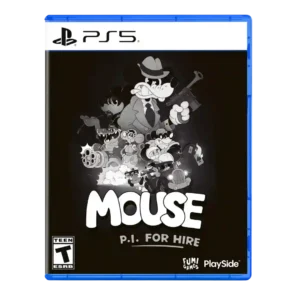
Mouseburg feels lived-in through its factions, newspapers, politics, character histories, and distinctive districts. The hub hints at a larger city that some players wanted to explore more deeply.
Pros: fun factor, art direction
Cons: weapon balance, gameplay mechanics
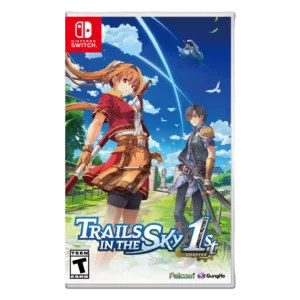
World-building was one of the strongest attributes, with repeated praise for living NPCs, regional culture, and detailed continuity.
Pros: remake/remaster quality, combat system
Cons: content variety

The ruined colony provides a carefully constructed setting for discovery. Its inhabitants and damaged environments give route mastery a purpose beyond reaching the next room.
Pros: overall quality, progression system
Cons: map and navigation design, tutorial quality

One review strongly praised how the game explains otherworldly concepts without stopping the gameplay.
Pros: puzzle design, atmosphere
Cons: horror tension, crash stability