Best for progression system
The Outbound Ghost
5.0 attribute score
Highest scored product for this attribute based on supporting review evidence.

Highest scored product for this attribute based on supporting review evidence.
Balances the attribute score, supporting reviews, and overall product strength.
Has the broadest review evidence for this attribute.
Strongest overall product among items with scored evidence for this attribute.

Shared experience across all Figments is widely praised because reserve party members stay useful without extra grinding or constant rotation.
Pros: combat system, soundtrack quality
Cons: narrative quality, exploration quality

Progression is praised for constantly feeding new monsters, gear, skills, and stronger builds back into exploration and combat.
Pros: combat system, narrative quality
Cons: difficulty balance, grind level
Progression stays refreshingly simple, with linear ability upgrades instead of sprawling skill trees or multiple currencies.
Pros: fun factor, core gameplay loop
Cons: difficulty balance, narrative quality
New object hiding and chapter structures introduce complexity gradually rather than changing the core rules.
Pros: art direction, narrative quality
Cons: difficulty balance, replay value

Use-based skill growth, perks, and classless development are among the game’s most praised systems. They make character growth intuitive, flexible, and tightly connected to how the player actually behaves.
Pros: graphics quality, progression system
Cons: combat system, bug frequency

Progression is a standout: new foods, gear, crafting stations, biomes, and boss milestones steadily change what players can survive and accomplish.
Pros: town-building system, exploration quality
Cons: grind level, fast travel convenience

Progression is widely praised for making failed and successful runs feel useful, with steady unlocks, resources, arcana, and new systems.
Pros: combat system, progression system
Cons: originality

New traversal abilities arrive at a satisfying pace and immediately open old spaces in useful ways. Reviewers particularly like how movement upgrades build on existing skills instead of simply replacing...
Pros: difficulty balance, boss design
Cons: innovation, sandbox freedom
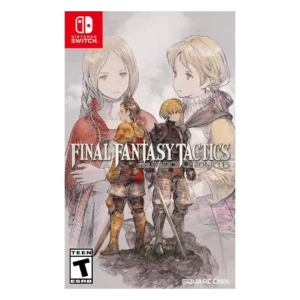
Progression remained satisfying, especially the constant job-point feedback and visible advancement toward new abilities.
Pros: remake/remaster quality, voice acting
Cons: content variety, camera behavior
District upgrades, route growth, company expansion, and visible improvements to bus stops create a rewarding sense of progress.
Pros: open-world design, fun factor
Cons: AI behavior, polish
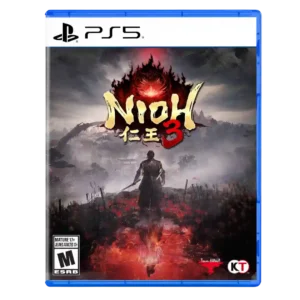
Progression was praised for free respecs, build freedom, rewarding upgrades, and flexible experimentation across styles and weapons.
Pros: combat system, open-world design
Cons: narrative quality, performance optimization

Progression was praised when upgrades opened new routes and improved movement, though some disliked overly linear or lock-and-key usage.
Pros: boss design, graphics quality
Cons: open-world design, side character depth

Reviewers strongly praised the checklist, achievements, unlocks, and constant rewards, though one negative review felt too many rewards were cosmetic.
Pros: battle mode quality, content variety
Cons: learning curve, competitive balance

Progression is broadly praised, especially boss-attempt rewards, free skill respecs, and multiple growth systems that keep failures productive.
Pros: combat system, boss design
Cons: narrative quality, difficulty balance

The Orbment/progression systems were praised for flexible character building and rewarding experimentation.
Pros: remake/remaster quality, combat system
Cons: content variety

Company ranks, historical technology unlocks, headquarters upgrades, and monuments give long saves clear milestones and useful rewards.
Pros: user interface design, gameplay mechanics
Cons: learning curve, tutorial quality

Hero leveling and special abilities add useful strategic depth to dispatch shifts. Reviewers enjoy tailoring stats and seeing mechanical growth parallel character development.
Pros: choice impact, narrative quality
Cons: gameplay mechanics, QTE design

Progression is broadly praised for constant rewards, player choice, and less overwhelming event unlocking, with only minor concerns about excess rewards.
Pros: graphics quality, accessibility options
Cons: AI behavior, difficulty balance

Progression is a consistent strength, with permanent upgrades, inheritance, mind systems, and run rewards making attempts feel purposeful.
Pros: combat system, character roster
Cons: narrative quality, learning curve
Permanent house upgrades, class unlocks, legendary rewards, donations, and inherited traits give failed and successful runs longer-term purpose. Reviewers like how progression keeps opening new strategic possibilities rather than simply...
Pros: combat system, soundtrack quality
Cons: difficulty balance, learning curve

Progression is praised for steadily adding moves, abilities, upgrades, and customization that keep combat and traversal evolving.
Pros: combat system, faithfulness to franchise
Cons: narrative quality, frame rate stability

Progress comes through equipment, carrying capacity, and a better understanding of the town. Opening a route remembered from hours earlier is a recurring highlight.
Pros: overall quality, atmosphere
Cons: boss design, movement feel

Progression was widely praised for turning early friction into rewarding growth through skills, perks, equipment, and player learning.
Pros: combat system, narrative quality
Cons: save system reliability, learning curve
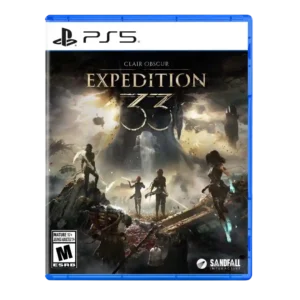
Progression earned strong marks for build preparation, Pictos/Lumina, customization, and viable options, with only occasional complexity caveats.
Pros: narrative quality, combat system
Cons: map and navigation design, menu usability

Progression was praised for a rewarding map loop, meaningful unlocks, and steady character growth.
Pros: combat system, character roster
Cons: level design, mission design
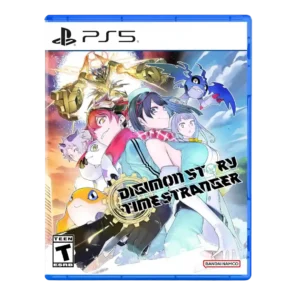
Progression was one of the strongest areas, with Digivolution, Agent Rank, personality growth, and team-building repeatedly called gratifying, flexible, and deep.
Pros: progression system, narrative quality
Cons: pacing, content variety

Progression is a major strength, especially the shared leveling across modes, weapon Prestige, and camo grind. The systems give long-term players clear reasons to keep rotating through different activities.
Pros: multiplayer design, level design
Cons: fun factor, narrative quality
Stamp-based progression gives clear goals while allowing players to move on before completing every task. That freedom fits the low-pressure philosophy and still encourages completionists to keep filling the journal.
Pros: game length, gameplay mechanics
Cons: innovation, difficulty balance

Progression remains satisfying because levels, Orbments, Quartz, equipment, and Bracer rewards feed into one another. Reviewers enjoy how new options steadily broaden build possibilities.
Pros: combat system, narrative quality
Cons: pacing, onboarding experience
Weapon development adds depth to simple shooting and can turn weak starting equipment into useful tools. Progress comes through practical improvements to the arsenal.
Pros: graphics quality, overall quality
Cons: AI behavior, pacing

Progression in No Return was praised for unlocks, challenges, and longer-term rewards that kept runs moving.
Pros: content variety, narrative quality
Cons: pacing

Badge progression can happen naturally while experimenting, creating satisfying stretches where objectives unlock one after another without menu checking.
Pros: fun factor, puzzle design
Cons: hint system, originality

Progression through branching outcomes and player-controlled consequences was seen as more impactful than in earlier entries.
Pros: horror tension, gameplay mechanics
Cons: AI behavior, polish

The Lilium Orb progression system is widely praised for being flexible, rewarding, and constantly engaging. Reviewers like choosing stat, skill, and Arte growth instead of following a rigid path.
Pros: combat system, remake/remaster quality
Cons: animation quality, environmental detail

Progression is rewarding when new perks and powers materially expand combat or traversal, and the day/night split encourages specialization. Some players dislike how skill learning also consumes scarce in-game time.
Pros: combat system, fun factor
Cons: content variety, polish

Progression was widely praised for maintaining forward momentum, though some skill-tree and grind complaints remained.
Pros: sound design, combat system
Cons: voice acting, menu usability
Progression is most satisfying when new keys, tools, mods, and upgrades reopen old routes and make exploration pay off. In some runs, power growth eventually reduces combat tension or leaves...
Pros: atmosphere, exploration quality
Cons: map and navigation design, bug frequency

Progression is praised for faster unlock pacing and more forgiving advancement that keeps deliveries rewarding.
Pros: narrative quality, combat system
Cons: difficulty balance, weapon balance
Permanent upgrades, racer styles, favors, and new parts make failure feel productive for many players. Others dislike losing a carefully tuned machine or repeating long stretches before the next meaningful...
Pros: fun factor, overall quality
Cons: difficulty balance, pacing

Career Mode’s dynamic ratings and deeper management systems draw strong praise, while Ultimate Team adds more flexible reward paths and Gallery progression. A handful of reviews flag confusing, over-layered, or...
Pros: gameplay mechanics, progression system
Cons: open-world design, AI behavior

Permanent upgrades, run perks, shop growth, and Vault milestones create a deep progression loop that is hard to put down. Early costs and the sheer number of paths can sometimes...
Pros: core gameplay loop, difficulty balance
Cons: narrative quality, load times

Progression was widely praised for tying stats, books, outfits, and dialogue checks into role-playing, with reviewers calling the RPG elements satisfying and intriguing.
Pros: narrative quality, voice acting
Cons: bug frequency, menu usability

DeadGear Cannonball is one of the most consistently praised systems: turning stat growth into a Pac-Man-like route-planning minigame makes progression feel playful, deliberate, and memorable.
Pros: fun factor, originality
Cons: combat system, narrative quality

Progression, perks, flaws, and no-respec commitment were widely praised, though level-cap and respec complaints created some friction.
Pros: combat system, progression system
Cons: pacing, AI behavior

Watching the shop, home, and surrounding town grow gives repeated dungeon trips a satisfying sense of advancement even though Torneko often resets personally. Hints and storage-related milestones add useful long-term...
Pros: graphics quality, core gameplay loop
Cons: difficulty balance, remake/remaster quality

Progression is praised for tying upgrades to exploration and skill shrines, though some reviewers want more depth or nuance.
Pros: combat system, narrative quality
Cons: grind level, innovation

Progression is mostly praised for wristbands, collections, and a better middle ground between grind and freedom, though reward systems can conflict.
Pros: graphics quality, driving mechanics
Cons: world interactivity, AI behavior
Progression was usually praised for meaningful permanent upgrades, though one reviewer felt it overemphasized numbers over skill.
Pros: narrative quality, combat system
Cons: side character depth, dialogue quality
Separate skill growth, gear, and build-crafting systems create a promising progression path for Emma and Koo. The opening hours suggest meaningful specialization, even though the full depth remains untested.
Pros: combat system, companion AI

Stars, discoveries, and newly appearing creatures provide frequent rewards and steadily open more chapters. Revisiting earlier pages with new knowledge adds satisfying layers, though late completion can require persistence.
Pros: art direction, exploration quality
Cons: difficulty balance, core gameplay loop