Best for level design
Donkey Kong Bananza
4.8 attribute score
Highest scored product for this attribute based on supporting review evidence.

Highest scored product for this attribute based on supporting review evidence.
Balances the attribute score, supporting reviews, and overall product strength.
Has the broadest review evidence for this attribute.
Strongest overall product among items with scored evidence for this attribute.

Level design was widely admired for dense, layered spaces, fresh ideas, and challenge variety, especially once the game opens up.
Pros: fun factor, world interactivity
Cons: frame rate stability, boss design

Kanto’s compact, interconnected routes and smart roadblocks remain a major strength, letting players discover paths and sequence parts of the journey without becoming directionless.
Pros: fun factor, faithfulness to franchise
Cons: remake/remaster quality, value for money

Level design is praised for distinct areas, route variety, and region-specific mechanics that add structure beyond simple room chains.
Pros: combat system, progression system
Cons: originality

Reviewers respond very positively to the level design, describing it as a notable strength of the overall experience.
Pros: narrative quality, fun factor
Cons: grind level, learning curve

Track design was usually praised for style, branching, and spectacle, with only a few complaints about cramped layouts or visual overload.
Pros: battle mode quality, content variety
Cons: learning curve, competitive balance
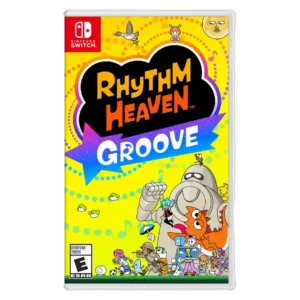
Level design gets positive marks for remixes, logical escalation, and mini-games that reviewers found well thought out and engaging.
Pros: fun factor, difficulty balance
Cons: value for money

The main facilities drew praise for set-piece design and atmosphere, while linearity and the connective hub lowered scores for some critics.
Pros: boss design, graphics quality
Cons: open-world design, side character depth

Level design was praised when interiors, rooftops, and compact city layouts felt purposeful, even as repeated streets limited variety.
Pros: combat system, exploration quality
Cons: graphics quality, voice acting
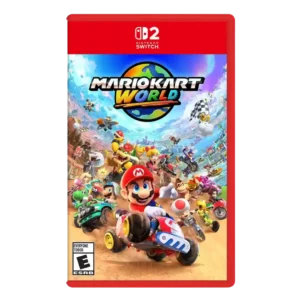
Dedicated courses earned broad praise, especially standout tracks and Rainbow Road, but route-driven structure and wide connecting roads reduced enthusiasm for some.
Pros: content variety, soundtrack quality
Cons: open-world design, exploration quality
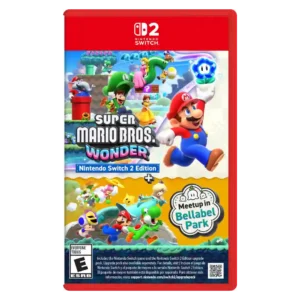
Wonder’s original level design remains a standout, and the best Training Camp and Koopaling remixes find smart new uses for familiar spaces. Some expansion stages are criticized as recycled or...
Pros: fun factor, multiplayer design
Cons: matchmaking quality, map and navigation design
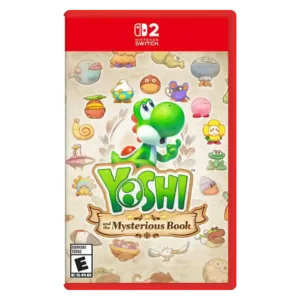
Most stages work as compact, open-ended sandboxes filled with interactions rather than simple left-to-right courses. The best pages feel dense and clever, while weaker ones can seem small, empty, or...
Pros: art direction, exploration quality
Cons: difficulty balance, core gameplay loop

Special courts and Adventure environments often use hazards and themes effectively, with Wonder-style and other gimmick courts standing out. A few reviewers criticize the limited number or inspiration of some...
Pros: fun factor, gameplay mechanics
Cons: tutorial quality, onboarding experience

Level design was mixed, with one reviewer finding the large terrain rewarding but sometimes too mountainous or exhausting.
Pros: core gameplay loop, content variety
Cons: pacing, menu usability

Level design was a repeated weakness, with corridors, boxes, bland routes, and underused depths/sky spaces criticized.
Pros: combat system, character roster
Cons: level design, mission design