#1
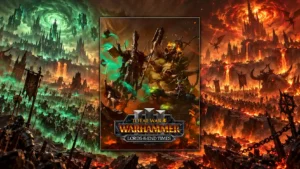
The revamped End Times are a major success, turning the late game into a real crisis with invasions, scripted objectives, world changes, and climactic battles. They give long campaigns a...
Pros: gameplay mechanics, fun factor
Cons: AI behavior, polish
#2
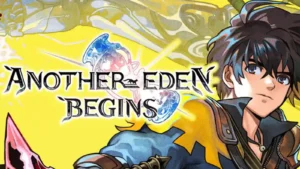
Post-game and New Game+ content provide a strong reason to continue, especially through added story material and alternate outcomes.
Pros: combat system, fun factor
Cons: difficulty balance, pacing
#3
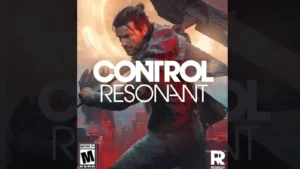
The postgame gives completion-minded players room to keep exploring, finish side stories, refine builds, and chase remaining discoveries after the main campaign.
Pros: combat system, narrative quality
Cons: boss design, map and navigation design
#4
Shadow of the Erdtree is praised as exceptional endgame content, adding a full new map, demanding fights, and fresh progression for high-level characters.
Pros: performance optimization, frame rate stability
Cons: controller ergonomics, platform-specific feature support
#5
New Game+ is a standout post-campaign feature, remixing enemy placement while letting players bring upgraded abilities back through earlier levels.
Pros: fun factor, core gameplay loop
Cons: difficulty balance, narrative quality
#6
The Deep North is widely praised as a fitting, beautiful final destination with substantial new gear, dungeons, threats, and progression, even if not every element feels transformative.
Pros: town-building system, exploration quality
Cons: grind level, fast travel convenience
#7
Endgame content was strongly praised through NG+, deep loot payoff, and multiplayer/endgame longevity.
Pros: combat system, open-world design
Cons: narrative quality, performance optimization
#8
Endgame content is praised for extended zones, stronger rewards, and extreme-mode challenges that keep players engaged.
Pros: combat system, character roster
Cons: narrative quality, learning curve
#9
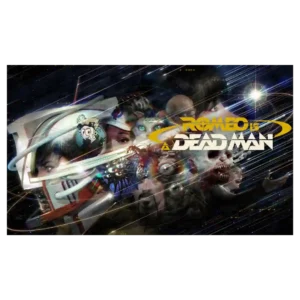
New Game Plus is the main post-credits attraction and is enthusiastically received by the reviewers who discuss it, especially because progression carries over and higher difficulties deepen combat.
Pros: fun factor, originality
Cons: combat system, narrative quality
#10
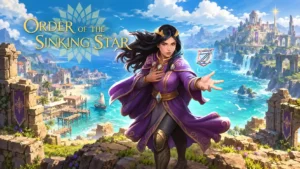
The first credits open the door to further discoveries and more ambitious combinations. Players who enjoy deeper mysteries find this continuation especially rewarding.
Pros: overall quality, puzzle design
Cons: narrative quality, difficulty balance
#11
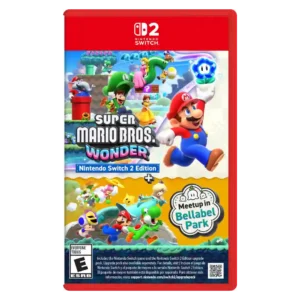
The toughest Training Camp missions and rematches are praised as exactly the kind of postgame tests experienced Mario players wanted. They extend the game by pushing precision and mastery rather...
Pros: fun factor, multiplayer design
Cons: matchmaking quality, map and navigation design
#12
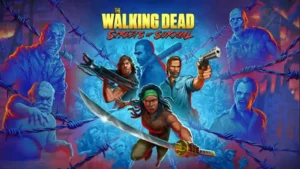
Walker Pit is the clearest post-campaign highlight, giving players an endless combat space for upgraded characters. It meaningfully extends a short campaign for players who enjoy the core fighting.
Pros: fun factor, faithfulness to franchise
Cons: combat system, game length
#13
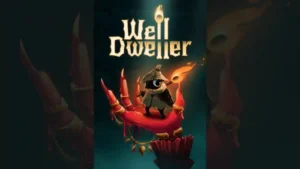
Post-credits objectives, locked areas, completion goals, and in some versions a boss rush give completion-minded players meaningful reasons to keep going, though one reviewer found the extra endgame challenge brief.
Pros: difficulty balance, boss design
Cons: innovation, sandbox freedom
#14
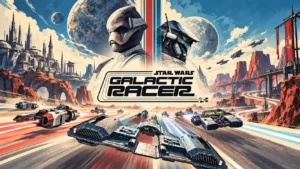
Arcade challenges, scenarios, and cosmetic goals provide worthwhile activities after the story. They extend play beyond the campaign even when the underlying campaign is comparatively short.
Pros: fun factor, overall quality
Cons: difficulty balance, pacing
#15
Endgame content was positively received in limited evidence, with reviewers praising the final chapters and an unexpected epilogue.
Pros: narrative quality, voice acting
Cons: bug frequency, menu usability
#16

MyRise can continue after the main story, and replayable Towers give The Island a reason to remain active after its campaign. Both additions strengthen long-term play beyond the initial story...
Pros: fun factor, gameplay mechanics
Cons: grind level, value for money
#17
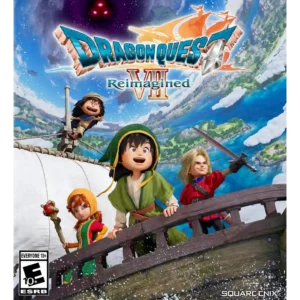
Post-game bosses provide some of the strongest mechanical challenge, finally demanding careful class choices, equipment, and tactics.
Pros: combat system, accessibility options
Cons: pacing, difficulty balance
#18
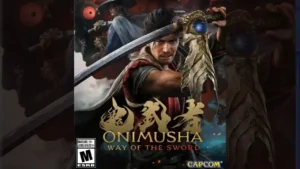
Post-game play includes harder Carnage difficulty and New Game Plus-style replay, giving mastery-focused players a reason to continue after the credits.
Pros: combat system, fun factor
Cons: pacing, open-world design
#19

Challenge runs, endless modes, and New Game Plus give dedicated players plenty to pursue after the main story. The main caveat is that some of this endgame can feel like...
Pros: core gameplay loop, difficulty balance
Cons: narrative quality, load times
#20
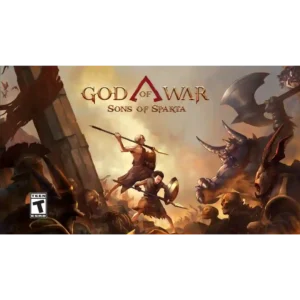
Postgame trials, collectibles, and the Pit of Agonies give dedicated players meaningful activities after the credits, including harder challenges and co-op play.
Pros: boss design, exploration quality
Cons: combat system, narrative quality
#21
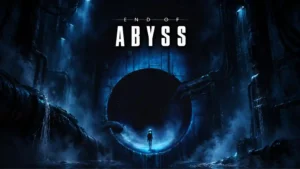
Optional sectors, alternate-ending collectibles, and extra narrative material give curious players meaningful content to pursue beyond the straightforward ending.
Pros: atmosphere, exploration quality
Cons: map and navigation design, bug frequency
#22
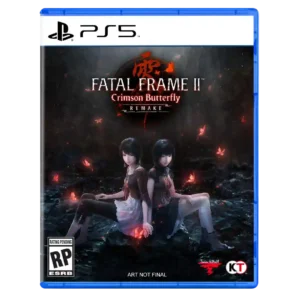
New Game+ extends camera progression and gives completion-focused players more to pursue after the first ending.
Pros: remake/remaster quality, horror tension
Cons: combat system, frame rate stability
#23
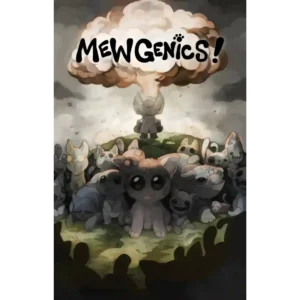
Higher difficulties, boss rematches, secrets, and post-completion unlocks give committed players reasons to keep pushing after major milestones.
Pros: combat system, soundtrack quality
Cons: difficulty balance, learning curve
#24
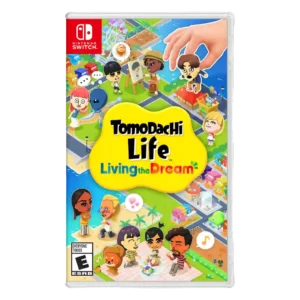
One reviewer says reaching credits does not end the game, treating post-credits play as continued island life rather than a conventional ending.
Pros: character customization, fun factor
Cons: content variety, gameplay mechanics
#25
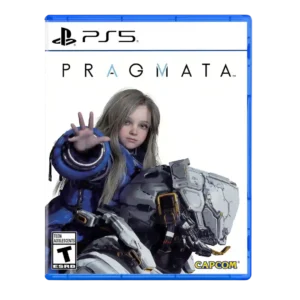
Endgame content is mixed-to-positive: many reviewers like the post-game and New Game Plus, while one found some challenges lackluster.
Pros: combat system, emotional impact
Cons: map and navigation design, platforming precision
#26

Late-game unlocks add more play, but the path to them can require another collection push after players have already gathered many notes. The endgame is therefore more appealing to completionists...
Pros: replay value, difficulty balance
Cons: game length, boss design
#27
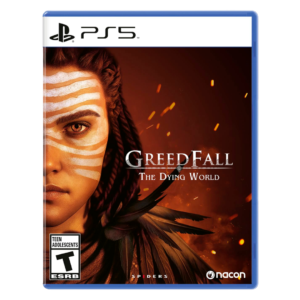
The final act responds to faction and companion choices, but its momentum can sag just before the credits, leaving the ending more mixed than the build-up suggests.
Pros: narrative quality, side character depth
Cons: combat system, polish
#28
Post-campaign replay options add longevity, but some sources still wanted a richer single-player endgame beyond score chasing, variants, and unlock cleanup.
Pros: narrative quality, fun factor
Cons: dialogue quality, difficulty balance
#29
Endgame content was a limited concern, with one reviewer specifically wishing for a dedicated post-game activity.
Pros: narrative quality, combat system
Cons: side character depth, dialogue quality
#30

The long-term endgame remains one of the bigger uncertainties, especially after progression-system changes and concerns that higher tiers may demand heavy time or spending.
Pros: fun factor, gameplay mechanics
Cons: monetization fairness, menu usability
#31
Endgame content was weak in early-access and later critiques that wanted more content or more staying power.
Pros: combat system, movement feel
Cons: narrative quality, difficulty balance
#32
Post-story value is inconsistent: one critic notes there is effectively no dedicated postgame, while others point to hubs, collectibles, and side activities that remain to finish.
Pros: writing quality, fun factor
Cons: bug frequency, combat system
#33
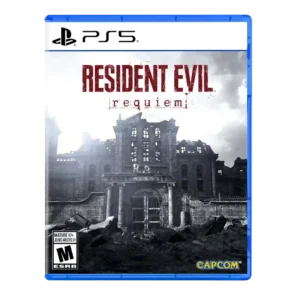
Endgame content was a repeated concern, especially the lack of Mercenaries or similarly meaningful side content.
Pros: pacing, combat system
Cons: originality
#34
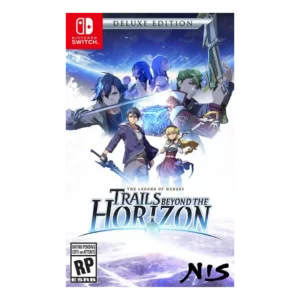
Endgame content drew negative evidence where the lack of post-credits Grim Garten continuation was called a downgrade.
Pros: narrative quality, combat system
Cons: onboarding experience, pacing
#35
There is little structured challenge after the main journey, with no New Game+ or notable postgame test highlighted. Completion is driven more by cleanup and collecting than by a substantial...
Pros: game length, gameplay mechanics
Cons: innovation, difficulty balance
#36
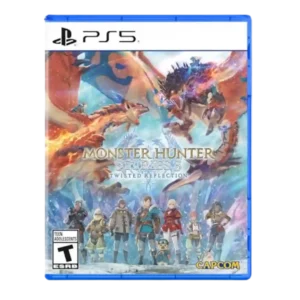
Post-story content is comparatively thin. Powerful optional monsters remain, but the lack of a broader traditional endgame and missing multiplayer activities disappointed several players.
Pros: combat system, narrative quality
Cons: difficulty balance, grind level
#37
Soul Storms, rematchable bosses, and unfinished quests provide extra goals, but the launch endgame is widely seen as thin or repetitive compared with the stronger campaign.
Pros: open-world design, graphics quality
Cons: narrative quality, endgame content
#38
Endgame depth is a recurring concern: after the campaign, most of the incentive comes from replaying familiar missions, raising difficulty, and continuing class or weapon progression.
Pros: fun factor, combat system
Cons: mission variety, progression system
#39
Once the main experience is wrapped up, the available post-completion breadth feels too thin to give most players much reason to linger.
Pros: graphics quality, core gameplay loop
Cons: difficulty balance, remake/remaster quality
#40
Endgame build management looks deep but already feels tedious because of layered gear, mods, and overlapping progression systems.
Pros: content variety, controls responsiveness
Cons: narrative quality, menu usability
#41
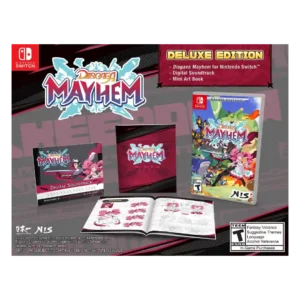
The postgame is thin and heavily dependent on repeating Item World runs, with no clear high-end challenge compelling enough to justify extreme leveling.
Pros: fun factor, progression system
Cons: difficulty balance, combat system
#42
Completing the story offers little extra reward, with New Game Plus notably absent. Players seeking substantial post-campaign activities may be disappointed.
Pros: faithfulness to franchise, narrative quality
Cons: combat system, boss design
#43
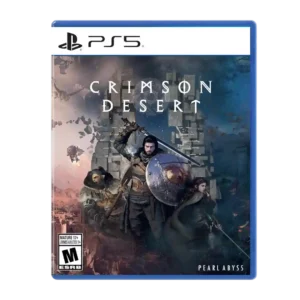
Reviewer evidence is strongly negative: endgame content was consistently framed as a major weakness across 1 review(s).
Pros: combat system, graphics quality
Cons: controls responsiveness, narrative quality
#44
One reviewer reported that the ending prevented further free roaming or completion of missed objectives. Unfinished activities therefore need attention before the final delivery.
Pros: core gameplay loop, overall quality
Cons: map and navigation design, driving mechanics
#45
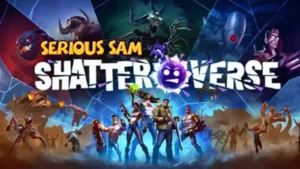
Once the main unlocks are acquired, there is little compelling long-term goal beyond filling the index or upgrading remaining gear.
Pros: co-op experience, soundtrack quality
Cons: upgrade system, faithfulness to franchise
#46
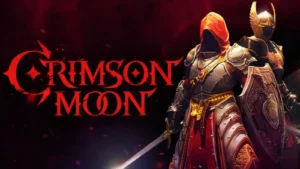
Higher difficulties do not always add enough new rewards or gear to justify repeating the campaign, leaving the endgame feeling grindier than meaningfully expanded.
Pros: value for money, combat system
Cons: camera behavior, content variety
#47
Postgame content is limited, which reduces long-term appeal once the campaign is finished.
Pros: combat system, originality
Cons: overall quality, narrative quality
#48
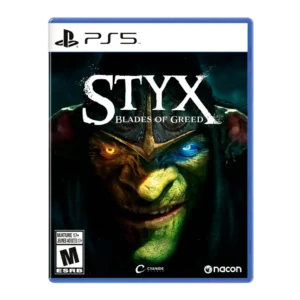
Post-campaign options are thin; one reviewer strongly criticizes the lack of New Game+ or another endgame mode.
Pros: fun factor, stealth mechanics
Cons: polish, combat system
#49

One detailed review found the endgame side content rushed, typo-heavy, and noticeably less polished than the main story.
Pros: narrative quality, combat system
Cons: remake/remaster quality, value for money
