Best for calibration options
Samsung S95H OLED
5.0 attribute score
Highest scored product for this attribute based on supporting review evidence.

Highest scored product for this attribute based on supporting review evidence.
Balances the attribute score, supporting reviews, and overall product strength.
Has the broadest review evidence for this attribute.
Strongest overall product among items with scored evidence for this attribute.
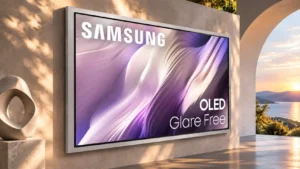
Calibration is accessible and effective, although accurate factory presets leave relatively little correction necessary.
Pros: picture quality, overall satisfaction
Cons: design and appearance, Dolby Vision support
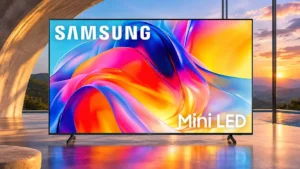
Calibration is relatively easy and can produce very accurate colors, although a little shadow crush remains.
Pros: sound quality, picture quality
Cons: value for money, local dimming performance
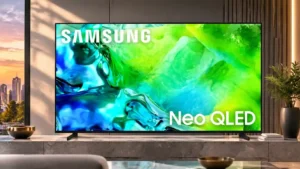
The TV is straightforward to calibrate and can achieve excellent SDR and HDR accuracy with suitable settings.
Pros: picture quality, contrast ratio
Cons: blooming control, glare resistance

Calibration is relatively straightforward and makes a substantial improvement to color fidelity.
Pros: art display mode, design and appearance
Cons: overall satisfaction, HDMI port accessibility
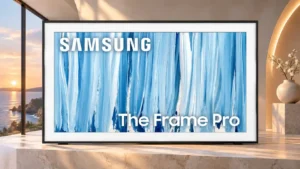
Picture accuracy is already strong out of the box and can be made even better, although most owners will gain little from calibration.
Pros: cable management, design and appearance
Cons: value for money, Dolby Vision support
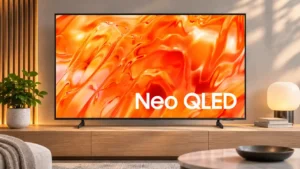
Proper calibration can deliver exceptionally accurate SDR colors, though panel-specific values should not be blindly copied to another unit.
Pros: picture quality, overall satisfaction
Cons: sound quality, black levels
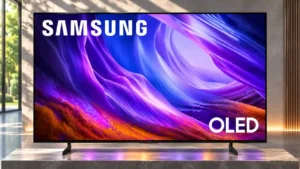
Calibration is easy but changes little for SDR.
Pros: black levels, picture quality
Cons: glare resistance, reflection handling
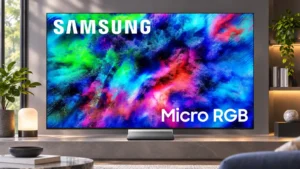
The controls can correct an obvious cool or overly vivid image, particularly in SDR. Reaching a neutral result may require more work than buyers expect at this price.
Pros: color volume, overall satisfaction
Cons: value for money, color accuracy
Phone-assisted Smart Calibration is convenient for quick tuning, though it is not a substitute for a full professional calibration.
Pros: glare resistance, black levels
Cons: Dolby Vision support, color gamut
A complete calibration can produce excellent accuracy, though some color and shadow errors remain.
Pros: picture quality, smart TV platform
Cons: value for money, refresh rate
Careful calibration greatly improves white balance and general accuracy, though stubborn shadow crush and saturated color errors remain.
Pros: white balance accuracy, design and appearance
Cons: overall satisfaction, value for money
Picture controls can produce a more natural image, but advanced automatic calibration is time-consuming and does not always improve HDR color.
Pros: picture quality, 4K at 144 Hz support
Cons: sound quality, value for money
Calibration results can be excellent but the process is awkward.
Pros: Large-screen immersion, overall satisfaction
Cons: value for money, black levels
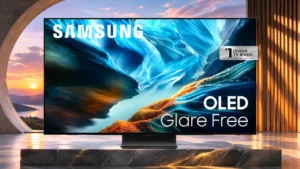
SDR is easy to dial in with excellent results; HDR calibration yields little further improvement.
Pros: black levels, contrast ratio
Cons: Dolby Vision support, stutter handling
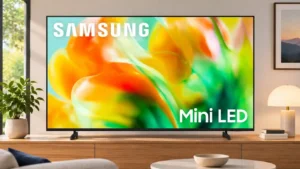
Careful calibration yields excellent accuracy, but the white balance changes with brightness, making all-day consistency difficult.
Pros: gaming performance, color accuracy
Cons: value for money, overall satisfaction
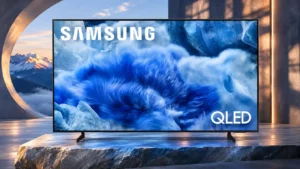
The TV is relatively easy to tune in brighter scenes, but deep shadows stay stubbornly inaccurate.
Pros: overall satisfaction, picture quality
Cons: reliability, remote control quality
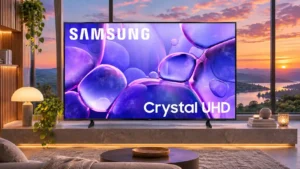
Picture calibration can improve accuracy, but achieving the best results can require extensive tweaking or prove frustrating.
Pros: color accuracy, upscaling quality
Cons: picture quality, sound quality
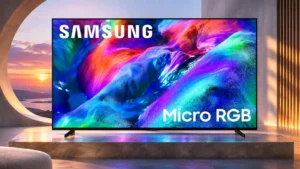
Professional calibration is awkward because RGB backlight interactions alter test colors, but a careful setup can substantially improve accuracy.
Pros: overall satisfaction, color gamut
Cons: value for money, local dimming performance