Best for color volume
Samsung S95H OLED
5.0 attribute score
Highest scored product for this attribute based on supporting review evidence.

Highest scored product for this attribute based on supporting review evidence.
Balances the attribute score, supporting reviews, and overall product strength.
Has the broadest review evidence for this attribute.
Strongest overall product among items with scored evidence for this attribute.
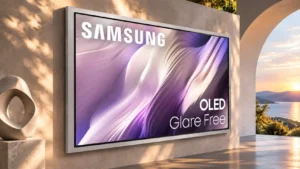
Bright saturated colors are a standout advantage, making sunsets, vivid costumes, and colorful games more lifelike than many WOLED rivals.
Pros: picture quality, overall satisfaction
Cons: design and appearance, Dolby Vision support
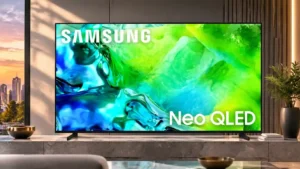
Bold, vivid color is one of the QN80H's biggest attractions, especially on sports pitches and animation. Very bright scenes can wash out some subtler shades.
Pros: picture quality, contrast ratio
Cons: blooming control, glare resistance
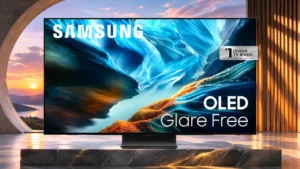
The 77-inch RGB Tandem panel delivers unusually vivid colors for this range, staying rich even when brighter colors fill the screen.
Pros: black levels, contrast ratio
Cons: Dolby Vision support, stutter handling
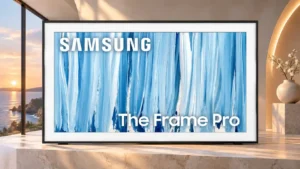
Bright, vivid artwork and video impress, but pale and very dark saturated colors are not reproduced equally well.
Pros: cable management, design and appearance
Cons: value for money, Dolby Vision support
Highly saturated material has striking depth and punch, though lighter scenes can look washed out and not every show uses the full palette.
Pros: overall satisfaction, color gamut
Cons: value for money, local dimming performance
The RGB backlight produces exceptionally rich, vivid colors and fine hue differences. White objects can dilute nearby colors, and some movie scenes look overdone or subdued depending on settings.
Pros: color volume, overall satisfaction
Cons: value for money, color accuracy
HDR colors remain fairly lively, though very bright shades desaturate. SDR wide-color reproduction fades more noticeably in bright scenes.
Pros: Large-screen immersion, overall satisfaction
Cons: value for money, black levels
HDR colors retain fairly good richness, while saturated reds can look washed out in brighter SDR scenes.
Pros: picture quality, 4K at 144 Hz support
Cons: sound quality, value for money
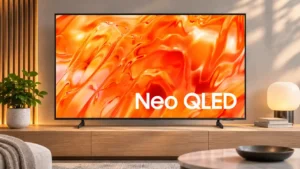
Some comparative viewing finds pleasantly rich reds, although limited brightness and contrast restrain the strongest HDR colors.
Pros: picture quality, overall satisfaction
Cons: sound quality, black levels
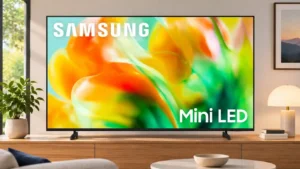
Colors can look full and vivid in SDR, especially against budget rivals, but brighter HDR shades lack the volume of better Mini LED TVs.
Pros: gaming performance, color accuracy
Cons: value for money, overall satisfaction
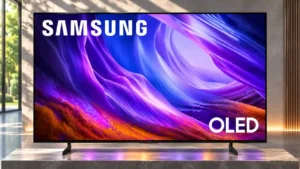
Colors are lively for an entry OLED, but highly saturated HDR highlights can look washed out compared with stronger QD-OLED or tandem panels.
Pros: black levels, picture quality
Cons: glare resistance, reflection handling
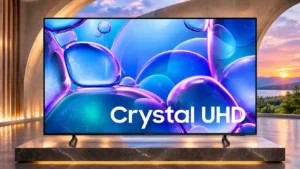
Some videos look punchy and colorful, especially in SDR, but measured saturation and brightness fall short with intense HDR colors.
Pros: picture quality, smart TV platform
Cons: value for money, refresh rate
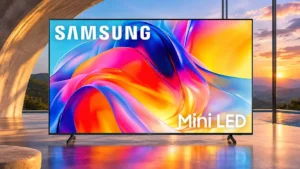
Vibrant colors impress some owners, but laboratory results find washed-out bright and dark saturated tones.
Pros: sound quality, picture quality
Cons: value for money, local dimming performance
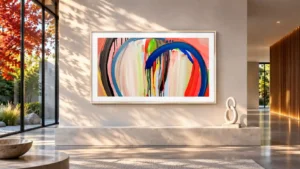
Everyday colors look reasonable, although very bright or dark saturated colors lose vividness.
Pros: art display mode, design and appearance
Cons: overall satisfaction, HDMI port accessibility
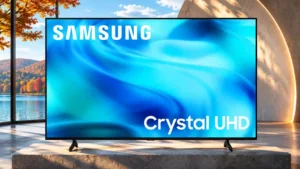
Color Booster creates an appealing vivid look for some viewers, although measured coverage and saturation remain weak for HDR.
Pros: white balance accuracy, design and appearance
Cons: overall satisfaction, value for money
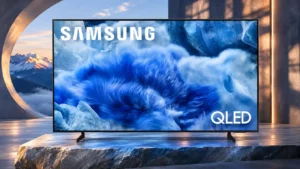
Bright saturated colors lose intensity, especially red and green, limiting HDR punch.
Pros: overall satisfaction, picture quality
Cons: reliability, remote control quality
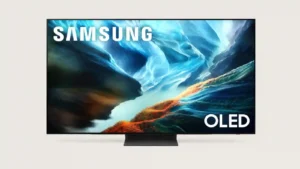
WOLED versions lose some high-brightness color intensity compared with QD-OLED, most noticeably in demanding wide-gamut HDR material.
Pros: glare resistance, black levels
Cons: Dolby Vision support, color gamut
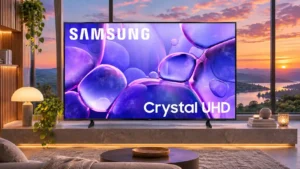
HDR colors lack the depth and brightness of more advanced displays, with some rich shades looking muted or flat.
Pros: color accuracy, upscaling quality
Cons: picture quality, sound quality