Best for color gamut
Samsung S95H OLED
5.0 attribute score
Highest scored product for this attribute based on supporting review evidence.

Highest scored product for this attribute based on supporting review evidence.
Balances the attribute score, supporting reviews, and overall product strength.
Has the broadest review evidence for this attribute.
Strongest overall product among items with scored evidence for this attribute.
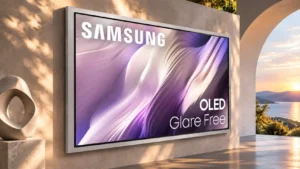
The QD-OLED sizes cover an unusually wide range of colors, with particularly strong performance in vibrant HDR material.
Pros: picture quality, overall satisfaction
Cons: design and appearance, Dolby Vision support
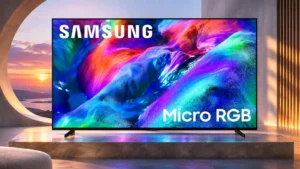
Micro RGB's broad color range is the most consistently admired innovation, especially in vivid reds, greens and blues.
Pros: overall satisfaction, color gamut
Cons: value for money, local dimming performance
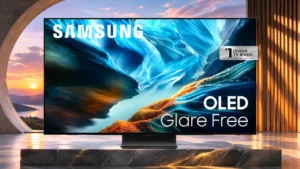
Wide color-space coverage helps the panel retain saturation, including vibrant reds and greens.
Pros: black levels, contrast ratio
Cons: Dolby Vision support, stutter handling
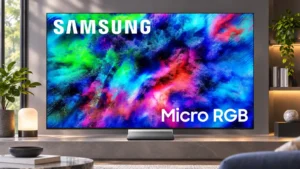
The R95H reaches an unusually wide color gamut, with especially impressive reds, greens and other saturated hues. That measurement advantage is more obvious in certain scenes than in everyday mixed-color...
Pros: color volume, overall satisfaction
Cons: value for money, color accuracy
The QLED panel can produce vibrant colors, although wider color-space coverage and bright saturated tones are less impressive than some rivals.
Pros: picture quality, 4K at 144 Hz support
Cons: sound quality, value for money
Everyday movies show rich, saturated color, with strong DCI-P3 coverage. Extreme Rec.2020 reds and greens are not as intense as on premium OLEDs.
Pros: black levels, picture quality
Cons: glare resistance, reflection handling
Color is one of the more liked traits, especially compared with very basic Samsung models, but demanding HDR shades are not fully reproduced.
Pros: sound quality, picture quality
Cons: value for money, local dimming performance
Mainstream HDR colors are handled well, although the wider BT.2020 range is limited compared with premium RGB Mini LED rivals.
Pros: picture quality, contrast ratio
Cons: blooming control, glare resistance
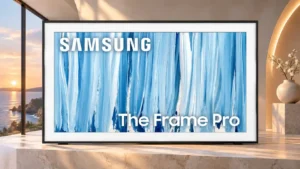
Strong coverage of the main HDR color gamut is offset by a limited range of the deepest reds and greens.
Pros: cable management, design and appearance
Cons: value for money, Dolby Vision support
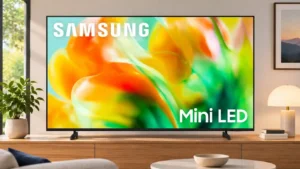
The set reproduces a useful range of colors and looks richer than cheaper Samsungs, but misses some red and green shades in demanding HDR material.
Pros: gaming performance, color accuracy
Cons: value for money, overall satisfaction
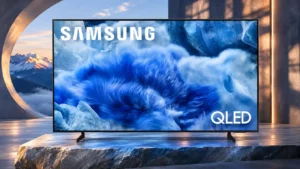
The QLED image looks colorful to many viewers, but measured gamut coverage falls short of stronger HDR televisions.
Pros: overall satisfaction, picture quality
Cons: reliability, remote control quality
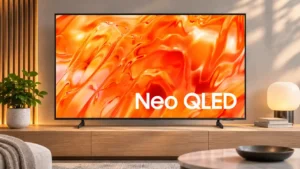
Mainstream DCI-P3 coverage is reasonable, but wider color reproduction and pale tones are weaker.
Pros: picture quality, overall satisfaction
Cons: sound quality, black levels

DCI-P3 coverage is useful, but wider BT.2020 colors are limited; some demanding HDR hues are beyond its range.
Pros: art display mode, design and appearance
Cons: overall satisfaction, HDMI port accessibility
HDR colors are reasonably lively, but vivid SDR colors can fade in very bright scenes. Color range also trails some competing Mini LED sets.
Pros: Large-screen immersion, overall satisfaction
Cons: value for money, black levels
The S90H covers mainstream DCI-P3 material very well, but WOLED samples show narrower BT.2020 coverage and less extreme color punch than QD-OLED alternatives.
Pros: glare resistance, black levels
Cons: Dolby Vision support, color gamut
The limited gamut reduces saturation and HDR impact, even though colors often look balanced in regular SDR viewing.
Pros: color accuracy, upscaling quality
Cons: picture quality, sound quality
Even common SDR colors are not fully reproduced, leaving richer material under-saturated.
Pros: white balance accuracy, design and appearance
Cons: overall satisfaction, value for money
The panel cannot produce the full color range used by richer HDR material, so some vivid shades look muted or clipped.
Pros: picture quality, smart TV platform
Cons: value for money, refresh rate