Best for burn-in protection
ASUS ROG Strix Pulsar XG27AQNGV
5.0 attribute score
Highest scored product for this attribute based on supporting review evidence.

Highest scored product for this attribute based on supporting review evidence.
Balances the attribute score, supporting reviews, and overall product strength.
Has the broadest review evidence for this attribute.
Strongest overall product among items with scored evidence for this attribute.

Overall: 3.9/5
An IPS LCD avoids the long-term static-image burn-in anxiety associated with OLED, making sustained desktop use less concerning.
Pros: motion clarity, Backlight strobing
Cons: contrast, HDR performance

Overall: 4.2/5
Pixel refresh, screen shifting, logo dimming and the Neo Proximity Sensor provide extensive safeguards, though long-term burn-in is not ruled out.
Pros: overall satisfaction, black levels
Cons: reflection handling, Color brightness
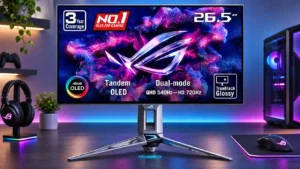
Overall: 4.3/5
OLED Care settings and the responsive proximity sensor help reduce static-image exposure. They are useful precautions rather than guarantees against burn-in.
Pros: black levels, motion clarity
Cons: value for money, Dual-mode versatility
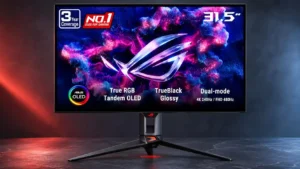
Overall: 4.3/5
OLED Care functions include pixel cleaning, screen shifting, logo handling and a presence sensor. They offer useful safeguards, though they cannot guarantee immunity from burn-in.
Pros: black levels, sharpness
Cons: value for money, brightness
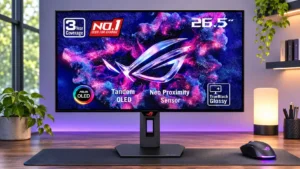
Overall: 4.4/5
A proximity sensor, pixel-shifting and dimming tools help reduce unnecessary static exposure. None removes the inherent long-term OLED burn-in risk.
Pros: overall satisfaction, response time
Cons: reflection handling, VRR flicker
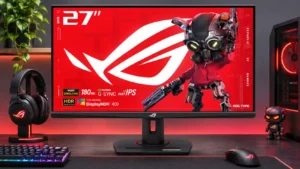
Overall: 3.8/5
The IPS LCD avoids the burn-in worry associated with OLED screens, a reassuring advantage for static desktop elements.
Pros: value for money, Resolution
Cons: HDR performance, port selection
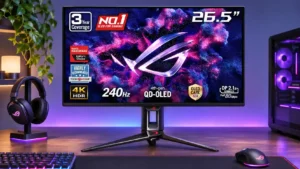
Overall: 4.4/5
OLED Care features include pixel maintenance, logo protection, and a useful proximity sensor. They reduce wear during varied use but cannot make permanent burn-in impossible.
Pros: sharpness, overall satisfaction
Cons: value for money, VRR flicker
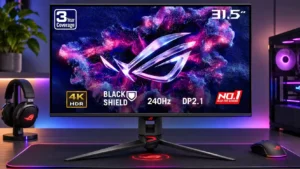
Overall: 4.2/5
A proximity sensor, pixel refresh, screen shifting, and static-logo protections add meaningful reassurance. One tester found the sensor could occasionally blank the screen during play if its timer was too...
Pros: overall satisfaction, black levels
Cons: value for money, stand adjustability
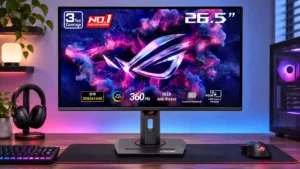
Overall: 4.4/5
ASUS supplies extensive pixel cleaning, shifting and static-logo controls plus burn-in warranty coverage, but none removes the inherent risk of permanent marks.
Pros: color gamut, overall satisfaction
Cons: reflection handling, VRR flicker
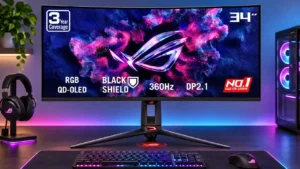
Overall: 4.5/5
Pixel care, screen shifting, proximity-based shutoff and related settings help limit prolonged static exposure. They reduce risk rather than eliminate OLED burn-in.
Pros: color gamut, contrast
Cons: value for money, Resolution