
Donkey Kong Bananza Feature Scores
Overall Scorata score: 4.4/5
Based on 29 analyzed reviews · View source samples
Explore all 85 feature scores for Donkey Kong Bananza, organized into pros and cons.
Scores by Feature
Summary
85 reviewed features-
Very positive 4.5-5.047 (55%)
-
Positive 3.5-4.427 (32%)
-
Neutral 2.5-3.49 (11%)
-
Negative 1.5-2.42 (2%)
Pros
Sort
-
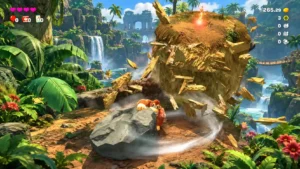
Tearing apart terrain feels unusually immediate, physical, and rewarding. The destructible world supports exploration, combat, and experimentation rather than serving only as spectacle.
-
The broad response is exceptionally enthusiastic, with frequent must-play recommendations. Camera friction, easy bosses, and technical compromises keep that praise from being unanimous on every detail.
-
The destructible world and flexible material interactions give the familiar collectathon format a fresh direction. The ambition often feels like a genuine showcase for new hardware.
-
Most reactions describe sustained joy, strong compulsions to keep exploring, and unusually satisfying moment-to-moment play.
-
Exploration is a defining strength: promising landmarks, buried finds, and secret routes continually pull players away from the main objective.
-
Dense vertical spaces combine designed routes with opportunities to carve your own path. Later layers receive particular praise, though some sections feel underdeveloped or like filler.
-
Carving routes, mixing materials, and choosing unconventional solutions create an unusually generous sense of freedom. That freedom can sometimes bypass satisfying intended challenges.
-
New materials, transformations, side rooms, and distinctive layers keep the adventure fresh. Most find enough variety to sustain the repeated smashing.
-
Large collections, return visits with new abilities, and postgame challenges keep many players engaged for hours beyond the story. Emerald Rush adds another compelling reason to return for those who enjoy its format.
-
Expressive poses, lively reactions, and small touches such as wet fur bring DK and the surrounding cast to life.
-
The mix of optional challenges, environmental tasks, and short diversions gives players plenty of different things to tackle.
-
Pauline's transformation songs and classic remixes are frequent highlights. Opinions vary more on the atmospheric background score and whether it matches the franchise's musical peaks.
-
Crunchy, material-specific effects make impacts feel distinct and powerful. Some mixes let effects obscure the music, while another response finds the music too dominant.
-
The open layers support freeform exploration and alternate solutions while retaining a clear main route through the adventure.
-
Colorful environments and appealing characters impress broadly. Softer image quality, poor shadows, pop-in, and occasional plain areas keep it from looking uniformly cutting edge.
-
The game confidently reinterprets DK through destructive exploration, unusual worlds, and unexpected combinations of familiar ideas.
-
Smashing, revealing treasure, and spending rewards form a powerful loop that many find hard to stop. Constant button mashing or indiscriminate clearing can eventually feel tiring.
-
The live 3D map, collectible lists, and musical guidance help make complicated spaces understandable. A few find individual worlds confusing despite those tools.
-
Bananas, fossils, and other finds make exploration consistently rewarding for most players. A minority find the sheer volume or weakening late-game incentives tiring.
-
DK and Pauline's growing friendship is a major source of charm, especially in their bedtime conversations. Some wish Pauline's confidence developed further instead of repeatedly returning to stage fright.
-
Callbacks to the arcade, Country games, and earlier 3D adventures give longtime fans plenty to recognize. The game generally blends that affection with a confident new direction.
-
Pauline, the rock inhabitants, and the villains give the world much of its personality. Companion charm and lively antagonists often matter more than deep characterization.
-
DK's toolkit and animal forms create many satisfying ways to move, fight, and solve problems. Some forms feel underused or powerful enough to bypass the best challenges.
-
Rolling, jumping, surfing, and climbing can flow into wonderfully expressive movement. Some encounters with corners and climbing surfaces feel less reliable.
-
The central friendship and climactic sequences can be surprisingly moving for a game about smashing rocks. Several reactions describe genuine tears or lasting affection.
-
The light story gains warmth from DK and Pauline and builds toward a widely celebrated finale. A few find the setup unengaging or want the characters' arcs to go further.
-
Maps and collection displays make progress easy to understand, particularly when returning to finish a layer.
-
Upgrades often make a tangible difference to power, traversal, and available techniques. The strongest praise goes to improvements that make collecting feed directly into better play.
-
Actions usually chain smoothly into expressive combinations. Unfamiliar button assignments, unreliable climbing transitions, or accidental transformations occasionally interrupt that flow.
-
Hidden chests, gold, fossils, and useful upgrades turn destructive exploration into a rewarding cycle of finding and spending loot.
-
The redesigned DK is expressive, funny, and powerfully physical, winning over even some initially hesitant reactions.
-
Distinct underground communities and local themes make the impossible setting feel rich and playful. The layered journey provides a strong sense of place despite its deliberate absurdity.
-
Pauline's speaking and singing add warmth and personality. The performances are widely liked, even where the amount of chatter draws complaints.
-
DK's wide range of expressions makes him more personable and gives cutscenes much of their comic energy.
-
Material interactions produce inventive puzzles and rewarding alternative solutions. Overpowered forms, accidental shortcuts, and underdeveloped physics ideas can weaken the challenge.
-
Goofy transformations, expressive reactions, and playful dialogue give the adventure an energetic sense of humor.
-
Challenge rooms mix combat, platforming, and puzzles, with some containing the game's best ideas. Repeated fights and derivative early tasks are less successful.
-
Turning bananas into skill points gives collecting a useful short-term purpose. Some find that incentive weakens once the tree is largely filled.
-
The skill tree usually makes bananas worth pursuing through useful abilities and stronger forms. A few find it unsurprising, unnecessary, or padded with weak transformation upgrades.
-
Bold colors and playful character designs give the underground worlds a striking identity. A few reactions find the palette overly garish.
-
Sonar, Pauline's singing, and purchasable maps keep hidden finds and main objectives within reach. They help focus the search without requiring aimless digging.
-
The adventure generally builds toward stronger late levels and a memorable finale. Sluggish openings, uneven layer lengths, and distracting optional collection sometimes disrupt its momentum.
-
Outfits add appealing visual variety and practical perks. Their bonuses can feel too situational, and layer-specific shops sometimes make useful gear inconvenient to obtain.
-
Dense scenery, expressive materials, and small environmental details reward close attention before everything gets smashed apart.
-
Rumble combines with crunchy sound and visible debris to make smashing different materials feel distinct and unusually satisfying.
-
The underground journey mixes whimsy with strange, sometimes claustrophobic spaces. Music and local characters give individual layers distinct moods.
-
The controls and interaction systems usually fit together with impressive polish, despite occasional camera or technical roughness.
-
Flying debris, exaggerated impacts, and material-specific reactions make destruction visually satisfying and full of weight.
-
Optional conversations give Pauline warmth and help develop her bond with DK. Constant incidental chatter is charming to some and excessive to others.
-
Postgame gauntlets and extra challenges give the mechanics another workout. Enthusiasm varies, with one assessment finding the offering thin compared with Odyssey.
-
The adventure offers a substantial amount to explore and collect beyond a direct story run. Its size can feel overwhelming when trying to finish every optional task.
-
Punching enemies and using chunks of terrain as weapons feel satisfyingly forceful. Repeated battle-room enemies and easy encounters can limit the tactical interest.
-
GameShare makes the helper mode easier to share across systems, while mouse-controlled sculpting is an appealing optional extra. Audio features also contribute to the presentation.
-
Many find the substantial, inventive adventure worth its price. Others still see the high upfront cost as a meaningful concern despite enjoying the game.
-
Assist Mode, guidance, and control options help less experienced players keep moving without removing the optional tougher challenges.
-
The main route and early bosses are often easy, especially with powerful transformations. Later layers, optional rooms, and postgame gauntlets offer more resistance.
-
The sheer amount of destructible terrain is impressive on portable hardware. Frame drops, image-quality compromises, and other rough edges remain the cost of that ambition.
-
Co-op works best as a main player plus helper arrangement, with Pauline firing vocal projectiles. Its limited second-player role suits some pairs better than others.
-
Multiplayer offers a deliberately asymmetrical way to share the adventure. It is most convincing when one player wants to assist rather than control an equal hero.
-
The unusual layout takes brief adjustment, but the movement can be easy to start using while still leaving room for mastery.
-
The strange creatures and material-based enemies add personality and connect combat to the environment's properties.
-
Quirky dialogue, comic details, and small pieces of world-building enrich the adventure without needing a complicated plot.
-
Collection tracking and destruction statistics make menus useful for cleanup. Finding which layer shop sells a particular outfit perk is less convenient.
-
Handheld presentation is generally attractive and sometimes looks cleaner than docked play. Portable mode improves some rough edges but does not eliminate every frame drop.
-
Most resources feed useful upgrades and purchases, but the balance is uneven. Gold and chips can feel excessive early on, while late expenses and layer-specific fossil requirements create constraints.
-
Emerald Rush offers enjoyable repeatable runs and meaningful perk choices for players who want more smashing. Its value is much less convincing if you want a substantial new campaign or many new worlds.
-
Getaways provide valuable recovery and temporary health benefits, becoming especially helpful as the later challenges intensify.
-
The broad appeal, approachable opening, and playful presentation make the adventure enjoyable across ages.
-
Optional collectible maps make cleanup less tedious, letting players choose how much searching to do unaided.
-
Having the complete game on the physical cartridge is a welcome advantage of the boxed release.
-
Side quests offer a steady supply of useful goals and rewards between main-story objectives.
-
The early adventure is accessible to children, while the final layers demand more confident use of DK's abilities.
-
Local co-op is useful for letting a child help with attacks and collecting. Adults expecting equal control may find the supporting role too limited.
-
Fast travel is convenient to have, although the pleasure of moving through the layers can make taking the scenic route more attractive.
Cons
Sort
-
Enemy variety improves over time but still feels limited, especially when battle rooms repeatedly reuse the same foes.
-
One response finds the colorful settings difficult to become immersed in, despite enjoying DK's personality and the gameplay.
-
Tiny remnants of dangerous terrain can be hard to spot during chaotic fights, leading to frustrating damage or deaths.
-
Bosses often look inventive but end too quickly or repeat too often for some tastes. Others enjoy their spectacle, and the final encounters attract particularly strong praise.
-
The opening is divisive: some appreciate immediate access to the core moves, while others find an extended stretch of basic smashing slow and unrepresentative.
-
Teaching the basic moves is effective for some players but slow and drawn out for others, particularly before the more inventive layers appear.
-
Opinions split between sharp optional challenges and movement that makes careful platforming feel awkward. Exploration and power often matter more than precise jumps.
-
Familiar Kongs are welcome, but limited appearances by Diddy and Dixie and the absence of other favorites leave some fans wanting more.
-
Long sessions of repeated punching can leave thumbs sore, even when the player otherwise loves the experience.
-
Busy destruction and certain bosses trigger noticeable frame drops. Many tolerate the brief hitches, but some scenes produce more sustained and distracting slowdown.
-
The camera divides opinion: some find its underground views remarkably intuitive, while others struggle with close angles, sluggish tracking, or restricted challenge-room views.
Use Cases
Best for
Sort
-
Collecting everything is a major undertaking, but useful rewards and tracking tools make it compelling for most. The volume and repeated tasks can feel burdensome for some completionists.
-
Challenge seekers get the most from late optional rooms, postgame gauntlets, and harder Emerald Rush tiers. Most main-game bosses are too easy to provide sustained resistance.
-
Longtime fans get affectionate callbacks and a fresh interpretation of DK rather than a simple repetition of earlier adventures.
-
A parent can handle DK while a child contributes through Pauline's projectiles, letting a less experienced player take part without managing the platforming.
-
Dense worlds, useful collectibles, and frequent discoveries make this a particularly appealing modern collectathon. Familiar charm and fresh destructive routes strengthen the attraction.
-
Young players benefit from accessible movement, assistance, and a helper role in co-op. The main adventure becomes more demanding near the end.
-
A few side quests or bananas can make a short session satisfying. Emerald Rush also offers a quick route back into the core smashing without a large commitment.
-
Experienced players can explore advanced movement and optional challenges beyond the approachable main route.
-
DK Artist offers an unexpectedly substantial mouse-based sculpting diversion. It is a pleasant extra for creative players, though some want a wider toolset.
-
Two-player play is pleasant when one person is happy to help as Pauline. It is a conditional fit for adults wanting equal movement and agency.
-
Short bursts of collecting or a few side quests allow meaningful progress when free time is limited.
-
Accessible movement, a forgiving main route, and optional assistance let casual players make progress without mastering every advanced technique.
-
The attractive portable presentation makes handheld play appealing, although busy scenes can still slow down.
-
The game looks appealing on a television, but docked image quality and frame-rate behavior draw more reservations than the portable presentation.
-
The story is enjoyable to play through in extended sessions, with plenty of discoveries to sustain a marathon.
-
Emerald Rush rewards adapting perks, skills, and transformation bonuses to each run, making it appealing for players who enjoy tuning a build.
-
New players can enjoy the game's fresh mechanics without needing to arrive as devoted DK fans, subject to the same performance and price caveats.
-
The game delivers the satisfying fantasy of being a giant, destructive monkey, with strength expressed in both movement and environmental damage.
-
Clearing terrain can feel pleasantly cathartic, providing a satisfying way to unwind without chasing every objective.
-
Emerald Rush is a strong extra for players who enjoy repeatable runs, shifting perks, and escalating difficulty. Its appeal depends on enjoying that format.
-
Flexible routes and destructive shortcuts suggest interesting possibilities for speedrunners who enjoy optimizing their path through a level.
Conditional or not ideal for
Sort
-
Precision platforming fansPrecision-focused players may enjoy the sharper optional challenges but find other traversal awkward. This is a less consistent fit than its exploration and destruction strengths.
-
Players sensitive to low frame ratesPlayers sensitive to frame drops should expect compromises, including some jarring transitions and sustained slowdown in demanding scenes.
-
Players sensitive to visual clutterThe busy visual presentation can be an especially poor fit for viewers who dislike clutter and constant bursts of activity.
-
Watching with friendsWatching a partner chase hundreds of collectibles can become tiring, especially when repeated pickup scenes and detours interrupt the sense of progress.
-
Physics-puzzle fansPlayers seeking an extensive physics-puzzle game may find too few developed examples despite the world's impressive destructibility.