Best for hint system
Total War: WARHAMMER III - Lords of the End Times
5.0 attribute score
Highest scored product for this attribute based on supporting review evidence.

Highest scored product for this attribute based on supporting review evidence.
Balances the attribute score, supporting reviews, and overall product strength.
Has the broadest review evidence for this attribute.
Strongest overall product among items with scored evidence for this attribute.
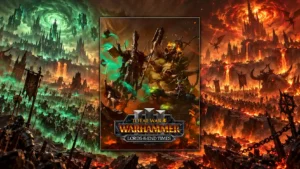
The expanded campaign flyby gives useful context about nearby factions and likely threats, making unfamiliar starts easier to read.
Pros: gameplay mechanics, fun factor
Cons: AI behavior, polish
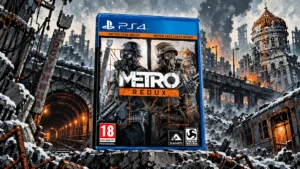
Musical alert cues make stealth easier to understand, while the lighter provides useful directional guidance. That navigational help is much more valuable once players know it exists.
Pros: graphics quality, overall quality
Cons: AI behavior, pacing

Shopping-list cues and scanning help locate supplies, vendors, and people efficiently. These tools reduce some of the time spent searching the city or menus.
Pros: overall quality, shopkeeping system
Cons: performance optimization, pacing
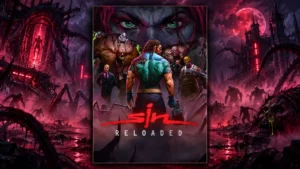
Optional point-of-interest markers make important objects easier to read, giving newcomers useful direction without replacing the old-school exploration.
Pros: remake/remaster quality, overall quality
Cons: level design, map and navigation design
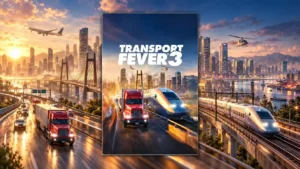
Subsidies can double as useful nudges toward sensible next steps, helping reduce decision paralysis in a very open sandbox.
Pros: user interface design, gameplay mechanics
Cons: learning curve, tutorial quality
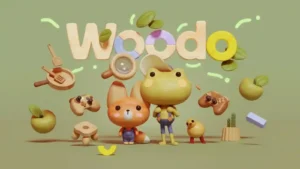
Repeatable hints and adjustable assistance rescue hard-to-find pieces without forcing guidance on players. One critic felt the help button was too tempting.
Pros: art direction, narrative quality
Cons: difficulty balance, replay value
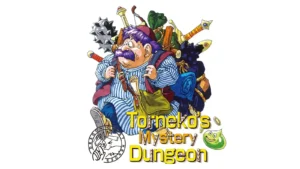
As the shop and town grow, NPC hints provide useful guidance with a charming rumor-like delivery that helps players learn deeper systems.
Pros: graphics quality, core gameplay loop
Cons: difficulty balance, remake/remaster quality
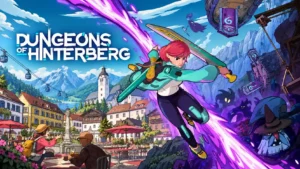
The game often lets players solve problems without a companion interrupting with answers. Gentle visual guidance can be helpful, though one account finds it potentially too directive.
Pros: puzzle design, social features
Cons: enemy variety, polish
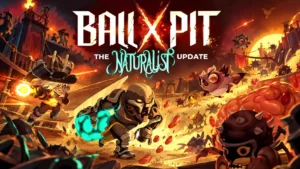
Displayed synergies, recorded combinations, and a character that discovers recipes can help players experiment. Others want clearer fusion hints or more precise blueprint-location information.
Pros: fun factor, upgrade system
Cons: user interface design, grind level

Environmental clues and search zones can make objectives feel like discoveries rather than marker chasing. Sparse directions frustrate some players, while constant spoken hints annoy others.
Pros: overall quality, level design
Cons: innovation, mission design

Hints are useful when a badge is unclear, but the system can be too limited: some clues are vague, and extra follow-up hints would help younger players.
Pros: fun factor, puzzle design
Cons: hint system, originality

Save conversations and early prompts help retain the current objective. Guidance can feel too explicit at first yet insufficient when a subtle route or clue is missed.
Pros: overall quality, atmosphere
Cons: boss design, movement feel
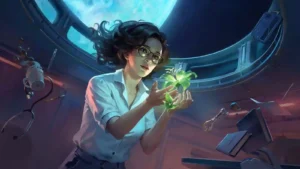
The absence of hints preserves the challenge for some, but leaves others stranded after missing a small clue.
Pros: puzzle design, user interface design
Cons: core gameplay loop, narrative quality
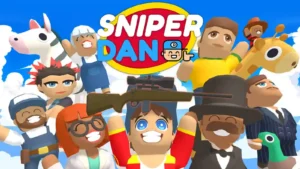
Hints can rescue obscure searches, but their limited supply, reputation cost and score tradeoffs make several reviewers reluctant to use them.
Pros: fun factor, art direction
Cons: difficulty balance, hint system
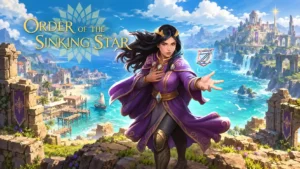
Some players value being left to discover answers independently. More often, missing optional hints or excessively cryptic clues make difficult roadblocks harder to tolerate.
Pros: overall quality, puzzle design
Cons: narrative quality, difficulty balance
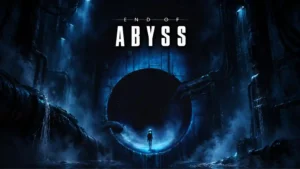
The hands-off philosophy can go too far; missed scannable objects or subtle routes can lead to hours of wandering, and a light scanner cue or extra guidance would help.
Pros: atmosphere, exploration quality
Cons: map and navigation design, bug frequency
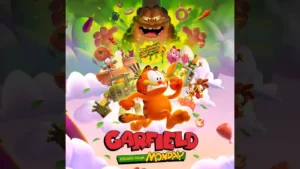
Boss objectives can lack clear cues, making otherwise simple encounters needlessly confusing.
Pros: content variety, family friendliness
Cons: collectibles, level design
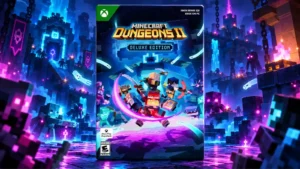
Clear objective markers make quests easy to follow, but extensive guidance can erase the sense of figuring out the route independently.
Pros: open-world design, graphics quality
Cons: narrative quality, endgame content
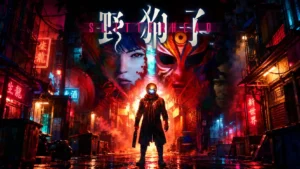
Hints can help with hidden Rarities and progression, but vague guidance leaves some players searching or consulting outside help.
Pros: gameplay mechanics, originality
Cons: overall quality, combat system
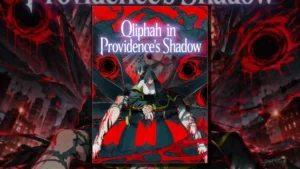
Passcode and clue guidance is often too vague or unintuitive, making some puzzles feel like exercises in interpreting the game's wording rather than solving the mystery.
Pros: combat system, originality
Cons: overall quality, narrative quality