Best for haptic feedback integration
Donkey Kong Bananza
5.0 attribute score
Highest scored product for this attribute based on supporting review evidence.

Highest scored product for this attribute based on supporting review evidence.
Balances the attribute score, supporting reviews, and overall product strength.
Has the broadest review evidence for this attribute.
Strongest overall product among items with scored evidence for this attribute.

Haptic and force-feedback-style integration was praised for making terrain destruction tactile and satisfying.
Pros: fun factor, world interactivity
Cons: frame rate stability, boss design

DualSense haptics and touchpad integrations are widely praised, especially wind, riding, rain, music, and activity feedback.
Pros: combat system, narrative quality
Cons: grind level, innovation

Haptic/DualSense integration is praised as highly immersive through controller feedback, speaker use, and adaptive triggers.
Pros: narrative quality, combat system
Cons: difficulty balance, weapon balance

DualSense feedback is a standout, conveying skate strides, edge cuts, gliding, and impacts with unusually convincing tactile detail.
Pros: atmosphere, gameplay mechanics
Cons: AI behavior, commentary quality

One reviewer specifically praises the tactile feedback, finding the controller response effective enough to strengthen the feel of combat.
Pros: performance optimization, frame rate stability
Cons: controller ergonomics, platform-specific feature support
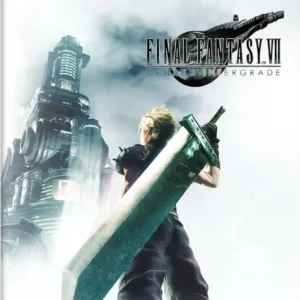
One reviewer appreciates HD Rumble 2 for adding subtle feedback without distraction.
Pros: combat system, graphics quality
Cons: pacing, accessibility options

DualSense trigger resistance was singled out as a terrific tactile addition, especially when drifting.
Pros: fun factor, open-world design
Cons: collectibles, originality

One PlayStation-focused review praises the DualSense adaptive-trigger and vibration treatment for adding useful tactile feedback to the shooting.
Pros: fun factor, combat system
Cons: mission variety, progression system

Haptic feedback integration was praised strongly for making a monster’s presence felt through the DualSense.
Pros: atmosphere, faithfulness to franchise
Cons: puzzle design, co-op experience

DualSense haptics noticeably strengthen weapon feel on PS5. The implementation is singled out as stellar rather than merely present.
Pros: fun factor, loot system
Cons: difficulty balance, quest design

PS5 haptics received strong praise for adding tactile feedback to traversal and action without becoming intrusive.
Pros: combat system, narrative quality
Cons: difficulty balance, grind level

DualSense haptics, adaptive triggers, and speaker support are praised for adding another tactile layer to first-person immersion.
Pros: horror tension, puzzle design
Cons: stealth mechanics, fun factor
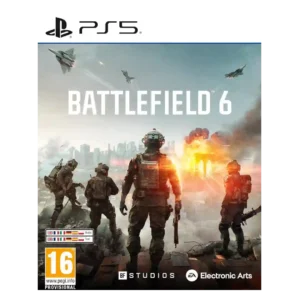
DualSense haptics and adaptive triggers were strongly praised.
Pros: multiplayer design, sound design
Cons: narrative quality, map and navigation design

Haptic feedback integration was strongly praised for bows, weapons, bandaging, traversal, and added immersion, though one reviewer found extended use tiring.
Pros: content variety, narrative quality
Cons: pacing

DualSense haptics and adaptive triggers were praised for reflecting stamina, sword clashes, and sharpening interactions.
Pros: combat system, narrative quality
Cons: save system reliability, learning curve
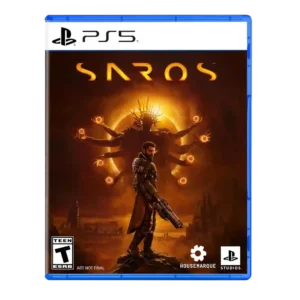
DualSense haptics and adaptive triggers were a standout, repeatedly praised as tactile, innovative, and deeply integrated.
Pros: narrative quality, combat system
Cons: side character depth, dialogue quality

Controller vibrations and adaptive-trigger resistance help the speeders feel physical. Restrained resistance at engine start is particularly appreciated for adding atmosphere without impeding play.
Pros: fun factor, overall quality
Cons: difficulty balance, pacing

Haptics earn specific praise for making the speeder and adaptive triggers feel more tactile and physical.
Pros: fun factor, originality
Cons: stealth mechanics, combat system

Haptic feedback had limited but positive evidence, especially Switch 2 and DualSense rumble impressions.
Pros: level design, remake/remaster quality
Cons: soundtrack quality, mission design
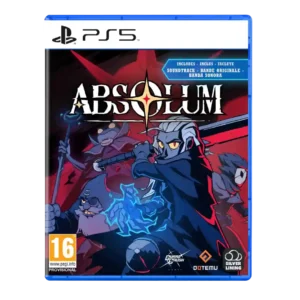
Haptic feedback support received limited praise for selective controller jolts reinforcing hits.
Pros: combat system, replay value
Cons: narrative quality, grind level

PS5 haptics add physical tension during stealth, giving the controller feedback a meaningful role in the atmosphere.
Pros: narrative quality, graphics quality
Cons: movement feel, stealth mechanics

Haptic feedback evidence was limited but positive, with DualSense adaptive triggers improving weapon feel.
Pros: narrative quality, exploration quality
Cons: combat system, AI behavior

Haptic feedback is praised through satisfying controller rumble tied to gathering sweet spots.
Pros: core gameplay loop, narrative quality
Cons: crafting system, multiplayer design

Force-feedback/haptic-style feedback is praised for feeling natural through a wheel.
Pros: graphics quality, driving mechanics
Cons: world interactivity, AI behavior

One review said Switch 2 haptics helped communicate machine differences.
Pros: battle mode quality, content variety
Cons: learning curve, competitive balance
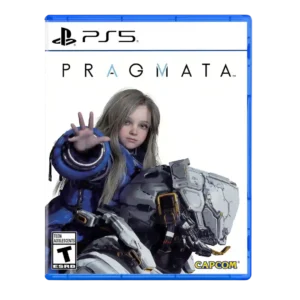
Haptic feedback integration is praised in the DualSense version because adaptive triggers make the action feel tactile.
Pros: combat system, emotional impact
Cons: map and navigation design, platforming precision

DualSense trigger feedback helps make scoped firing feel responsive and powerful in the PS5 account that evaluates it.
Pros: overall quality, level design
Cons: innovation, mission design

DualSense haptics make zooming and taking photos feel more tactile, adding a pleasant physical response to the camera interactions.
Pros: game length, gameplay mechanics
Cons: innovation, difficulty balance

DualSense integration is a standout on PS5, with haptics, adaptive triggers, speaker effects, and other tactile cues deepening the sense of place. The controller features are repeatedly treated as meaningful...
Pros: immersion, fun factor
Cons: bug frequency, AI behavior

DualSense haptics add useful physical feedback to high-G turns and aircraft movement, strengthening the sense of speed and control.
Pros: narrative quality, fun factor
Cons: dialogue quality, difficulty balance

Haptic feedback is positive on PS5, making driving feel more tactile, though not revolutionary.
Pros: graphics quality, accessibility options
Cons: AI behavior, difficulty balance
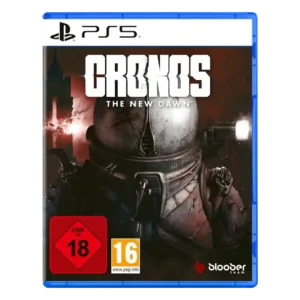
DualSense haptics were positively noted in one PS5 review as adding meaningful tactile feedback.
Pros: combat system, narrative quality
Cons: boss design, puzzle design
DualSense feedback is often praised for adding tactile impact to combat and interactions, though one reviewer found the default vibration dramatically overused.
Pros: boss design, exploration quality
Cons: combat system, narrative quality

DualSense haptics give claw strikes and action sequences extra physical impact and are repeatedly singled out as a PS5 strength.
Pros: fun factor, combat system
Cons: originality, level design

DualSense feedback is used effectively to reinforce powers and supernatural moments, adding tactile texture without being treated as a defining feature.
Pros: combat system, narrative quality
Cons: boss design, map and navigation design

DualSense haptics and adaptive-trigger support are appreciated as worthwhile immersion extras, even if they do not fundamentally change play.
Pros: atmosphere, exploration quality
Cons: map and navigation design, bug frequency

DualSense adaptive triggers and haptic feedback make the responsive gunplay more satisfying on PlayStation 5.
Pros: multiplayer design, level design
Cons: fun factor, narrative quality

Haptic support was platform-dependent: one PS5 review praised DualSense vibration, while another noted missing haptic and trigger use.
Pros: combat system, narrative quality
Cons: difficulty balance, enemy variety

Controller feedback can feel good, but steering-wheel force feedback is inconsistent and sometimes described as lifeless or effectively nonfunctional.
Pros: open-world design, fun factor
Cons: AI behavior, polish

Haptic feedback integration had a mixed single assessment, with DualSense features noted but controller-speaker output called obnoxious.
Pros: combat system, weapon balance
Cons: flying mechanics, narrative quality

Controller vibration is especially useful as a physical warning that Aava is slipping or overstrained, and one reviewer calls it crucial to judging danger.
Pros: narrative quality, emotional impact
Cons: difficulty balance, gameplay mechanics

DualSense feedback is inconsistent, and some attacks produce little or no rumble. Players wanting strong tactile impact may find it underwhelming.
Pros: faithfulness to franchise, narrative quality
Cons: combat system, boss design

One Switch technical assessment finds the rumble insufficiently nuanced and distracting enough to disable. Its contribution to the atmosphere is negative in that account.
Pros: graphics quality, overall quality
Cons: AI behavior, pacing

An irritating controller vibration glitch can interrupt shared inventory management rather than enriching the action.
Pros: open-world design, graphics quality
Cons: narrative quality, endgame content

One assessment finds the lack of vibration reduces combat impact. More tactile feedback would make hits feel stronger to that player.
Pros: overall quality, difficulty balance
Cons: frame rate stability, performance optimization

PlayStation adaptive-trigger resistance can make some actions more difficult, turning the controller feedback into added friction rather than a clear benefit.
Pros: fun factor, gameplay mechanics
Cons: grind level, value for money

Anniversary Edition on PS5 is criticized for making little meaningful use of DualSense features.
Pros: graphics quality, progression system
Cons: combat system, bug frequency

Controller vibration is notably light for at least one player, leaving the remake with less tactile feedback than expected.
Pros: remake/remaster quality, horror tension
Cons: combat system, frame rate stability

The PS5 release does not use DualSense haptics or adaptive triggers, a conspicuous omission for a full-price console game.
Pros: narrative quality, side character depth
Cons: combat system, polish

DualSense integration is notably weak, with basic rumble but no meaningful haptics or adaptive-trigger support.
Pros: fun factor, combat system
Cons: originality, battle mode quality