Best for multiplayer design
It Takes Two
5.0 attribute score
Highest scored product for this attribute based on supporting review evidence.

Highest scored product for this attribute based on supporting review evidence.
Balances the attribute score, supporting reviews, and overall product strength.
Has the broadest review evidence for this attribute.
Strongest overall product among items with scored evidence for this attribute.
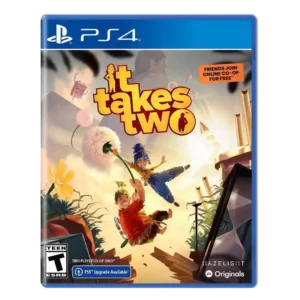
Multiplayer design is praised as fully built around two players, with local, online, and cooperative structure central to the experience.
Pros: co-op experience, fun factor
Cons: narrative quality, dialogue quality

Multiplayer design has limited but strong positive evidence for frictionless shared play design.
Pros: movement feel, loot system
Cons: performance optimization, narrative quality
Co-op meaningfully expands the management simulation by letting up to four players coordinate routes, fleets, and driving duties together.
Pros: open-world design, fun factor
Cons: AI behavior, polish

Multiplayer design was positive where local split-screen support was tested, though related evidence also notes 30 fps compromises.
Pros: combat system, character roster
Cons: level design, mission design
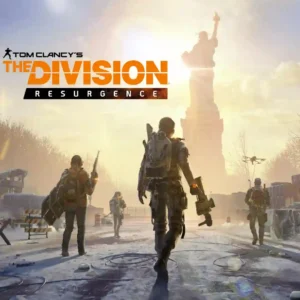
Four-player co-op, shared-world teaming, clans, dedicated PvP, and the Dark Zone form a strong multiplayer package.
Pros: content variety, controls responsiveness
Cons: narrative quality, menu usability

Co-op works well because tasks and roles emerge naturally among players instead of being forced by rigid class assignments.
Pros: town-building system, exploration quality
Cons: grind level, fast travel convenience

Asynchronous multiplayer is one of the clearest strengths, making players feel connected through structures, roads, likes, and shared effort.
Pros: narrative quality, combat system
Cons: difficulty balance, weapon balance
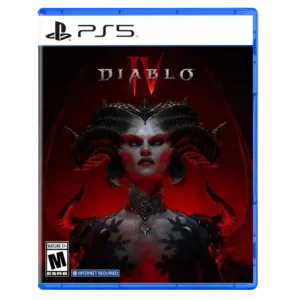
Multiplayer design was praised for cross-platform flexibility, online integration, and group play freshness.
Pros: narrative quality, endgame content
Cons: monetization fairness, quest design

Multiplayer design was praised for Battle Hub, ranked/casual paths, and flexible ways to fight without forcing the social lobby.
Pros: accessibility options, combat system
Cons: narrative quality, frame rate stability

Multiplayer design is a major strength, especially online/local play, lobbies, and chaotic Power Stone-style group play.
Pros: content variety, value for money
Cons: cross-play support, competitive balance

Reviewers consistently emphasized that Arc Raiders’ PvPvE structure creates unpredictable, social, and often hopeful multiplayer moments.
Pros: sound design, combat system
Cons: voice acting, menu usability

Multiplayer design is broadly positive, with better grouping, seamless linking, and revamped online modes.
Pros: graphics quality, accessibility options
Cons: AI behavior, difficulty balance
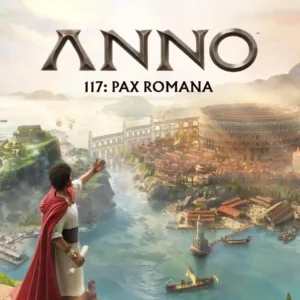
Cooperative and competitive modes add worthwhile variety, and the flexible structure makes shared empire-building especially appealing.
Pros: fun factor, graphics quality
Cons: learning curve, bug frequency
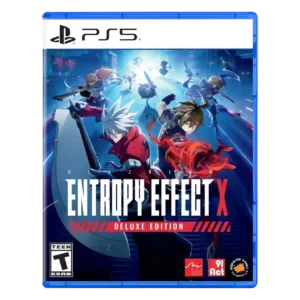
Multiplayer design is praised in one review because separate co-op builds can complement each other during runs.
Pros: combat system, character roster
Cons: narrative quality, learning curve
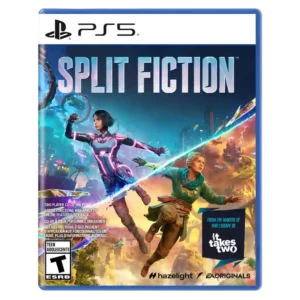
Multiplayer design was praised for fitting the exclusively co-op approach and supporting differing skill levels.
Pros: co-op experience, content variety
Cons: writing quality, narrative quality

multiplayer design was the strongest consensus positive, praised as layered, chaotic, and highly replayable.
Pros: multiplayer design, sound design
Cons: narrative quality, map and navigation design

Multiplayer design is generally positive, especially online modes, leagues, robust options, and win-focused competition.
Pros: graphics quality, driving mechanics
Cons: world interactivity, AI behavior
Online tours adapt vehicle building, rivalries, and wagers into exciting multi-race competition. Limited group options, uneven builds, and occasional slow interludes keep the enthusiasm from being universal.
Pros: fun factor, overall quality
Cons: difficulty balance, pacing

Multiplayer was usually praised as the game's happy place, especially with groups, though Stadium splitting and missing Grand Prix-style structure drew complaints.
Pros: battle mode quality, content variety
Cons: learning curve, competitive balance

Multiplayer design is generally strong in mode variety, ranked/casual options, party matches, and local play, but online infrastructure hurts access.
Pros: combat system, accessibility options
Cons: narrative quality, matchmaking quality
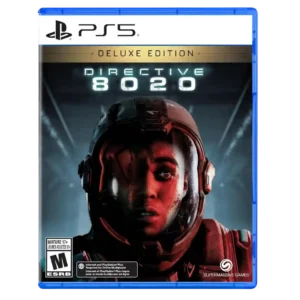
Multiplayer design was received positively, especially the improved Movie Night mode and the idea of working together under impostor pressure.
Pros: horror tension, gameplay mechanics
Cons: AI behavior, polish

Multiplayer is the strongest and most consistently praised pillar. The map pool, responsive gunplay, movement options, modes, and playlist changes make it one of the better recent Call of Duty...
Pros: multiplayer design, level design
Cons: fun factor, narrative quality
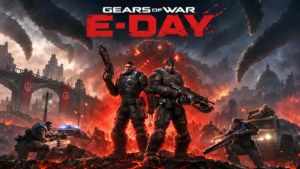
Early impressions are enthusiastic about 4v4 Versus and the larger 12-player Horde Siege concept. Some launch reviews remain provisional because multiplayer was unavailable before embargo.
Pros: combat system, graphics quality
Cons: exploration quality, mission design
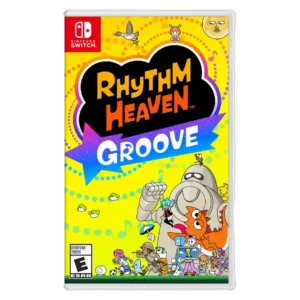
Multiplayer design is repeatedly highlighted as quick, quirky, tense, chaotic, and well suited to party play, especially the cake-grabbing competitive mode.
Pros: fun factor, difficulty balance
Cons: value for money
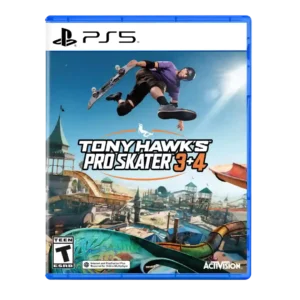
Multiplayer design was generally praised for returning modes, HAWK mode, Graffiti, and arcade competition, with some playlist and choice caveats.
Pros: level design, remake/remaster quality
Cons: soundtrack quality, mission design

Multiplayer design was broadly positive, especially once connected, though some reviewers noted restrictions and setup friction.
Pros: combat system, narrative quality
Cons: difficulty balance, endgame content
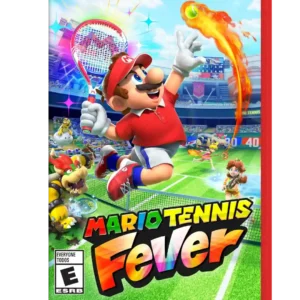
Local and online multiplayer form the heart of the experience, with flexible singles, doubles, ranked play, private rooms, and GameShare. Reviewers love the social tennis, though some criticize missing ranked-duos...
Pros: fun factor, gameplay mechanics
Cons: tutorial quality, onboarding experience

Axis Invasion is often the standout, turning missions into tense contests against another sniper. No Cross also earns praise, while ordinary deathmatches and trap-heavy lobbies have more limited or uneven...
Pros: overall quality, level design
Cons: innovation, mission design

The resident-rescue scoring system and two-sided objectives make multiplayer feel different from many rivals, but AI, pacing, and PvE emphasis determine whether that difference feels fresh or frustrating.
Pros: fun factor, multiplayer design
Cons: bug frequency, AI behavior
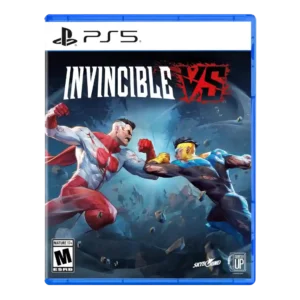
Multiplayer design was mostly praised for tag tactics, team composition, and defensive tools, but one beta reviewer disliked the tag-guessing system.
Pros: fun factor, combat system
Cons: learning curve, competitive balance

Multiplayer design is considered solid overall, with ranked, casual, room matches, and online basics, though it depends on players gelling with the systems.
Pros: content variety, gameplay mechanics
Cons: learning curve, user interface design
Local, online, mixed-party, and matchmaking options provide flexible group play, with persistent online/offline character restrictions complicating mode changes.
Pros: open-world design, graphics quality
Cons: narrative quality, endgame content

Multiplayer adds strong value through co-op and competitive side modes, but the main campaign is not always fully tuned for two players. The result is fun but occasionally crowded or...
Pros: replay value, difficulty balance
Cons: game length, boss design
For the accounts that weigh its absence, multiplayer is successfully offset by the selection of campaign modes. The attraction remains the story-led solo experience.
Pros: graphics quality, overall quality
Cons: AI behavior, pacing

The expanded online hub and social match options add more ways to play with others, and the underlying wrestling remains enjoyable competitively. Performance and monetization around online modes can still...
Pros: fun factor, gameplay mechanics
Cons: grind level, value for money

Multiplayer design appears intentionally support-oriented, with the available two-player mode fitting parent-child play best.
Pros: fun factor, world interactivity
Cons: frame rate stability, boss design
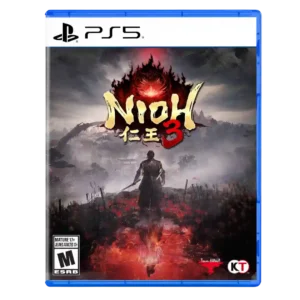
Multiplayer design received limited positive evidence for remaining a strong suit.
Pros: combat system, open-world design
Cons: narrative quality, performance optimization

Multiplayer design received positive evidence after a patch made battle rewards more directly useful.
Pros: combat system, exploration quality
Cons: graphics quality, voice acting
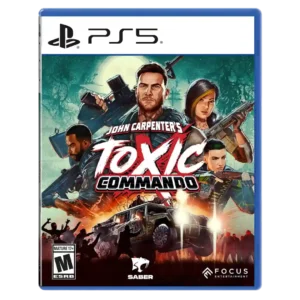
The multiplayer design favors straightforward squad play over competitive complexity, and reviewers generally like how easy it is to coordinate roles and share the chaos.
Pros: fun factor, combat system
Cons: mission variety, progression system

Multiplayer is aggressively PvP-focused, with trios, solo play, and emerging duo options producing very different experiences. Squad play can be excellent, while solo and mismatched team sizes expose some of...
Pros: fun factor, loot system
Cons: difficulty balance, quest design
Five-player structure and personal loot can work very well, especially when builds and ultimates complement one another. Poor scaling and shallow teamwork mechanics keep it from being universally successful.
Pros: co-op experience, soundtrack quality
Cons: upgrade system, faithfulness to franchise
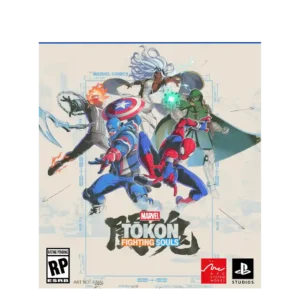
The 4v4/tag structure is the most debated design point: some praise all-out team play, while others question tagging incentives and clunky swaps.
Pros: fun factor, character roster
Cons: tutorial quality, competitive balance
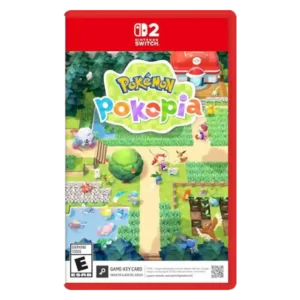
Multiplayer design had strong ideas like shared islands and group building, but some reviewers saw limitations or early roughness.
Pros: core gameplay loop, content variety
Cons: pacing, menu usability

Asymmetric responsibilities keep both players involved and make communication essential, although the game requires a second player at all times.
Pros: fun factor, puzzle design
Cons: difficulty balance, narrative quality

Local and online options are broad enough to add real value, and matches that were tested generally worked well. Progression and open-world restrictions keep multiplayer from fully matching the freedom...
Pros: fun factor, open-world design
Cons: collectibles, originality
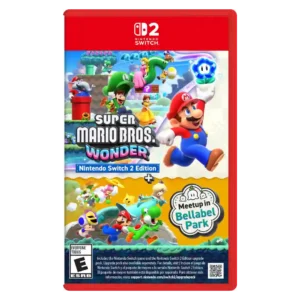
Bellabel Park greatly expands multiplayer, but quality varies by mode. Local co-op is the consensus highlight, while competitive and online attractions are more often called shallow, repetitive, or overly dependent...
Pros: fun factor, multiplayer design
Cons: matchmaking quality, map and navigation design
The online suite is ambitious and often exciting, especially in co-op and mixed PvPvE modes, but short modes, grind, menus, and monetization blunt the enthusiasm.
Pros: narrative quality, fun factor
Cons: dialogue quality, difficulty balance

Multiplayer offers useful social spaces, co-op exploration, PvP, and group activities, but the world often feels primarily solo and some restrictions make playing with friends more cumbersome than expected.
Pros: fun factor, gameplay mechanics
Cons: monetization fairness, menu usability
Competitive multiplayer is a welcome preservation feature with flexible local and server options, but it remains secondary to the campaign and lacks some modern conveniences such as clear cross-platform support.
Pros: remake/remaster quality, overall quality
Cons: level design, map and navigation design

Ranked, rooms, tournaments, spectating, and local versus provide a solid competitive framework, though missing casual matchmaking or awkward room-focused choices bother some players.
Pros: remake/remaster quality, combat system
Cons: content variety, character customization