Best for wireless performance
D-Link Aquila Pro AI R95
5.0 attribute score
Highest scored product for this attribute based on supporting review evidence.

Highest scored product for this attribute based on supporting review evidence.
Balances the attribute score, supporting reviews, and overall product strength.
Has the broadest review evidence for this attribute.
Strongest overall product among items with scored evidence for this attribute.

Overall: 4.8/5
Across office tests and busy-home use, the R95 delivers fast, responsive wireless service that reviewers place among the product’s biggest strengths.
Pros: Wi-Fi 7 support, Wi-Fi speed

Overall: 4.4/5
Wireless performance competes well with pricier routers; one test encountered disconnections and uneven directional speeds.
Pros: setup ease, configuration flexibility
Cons: Wi-Fi 7 support, USB storage sharing
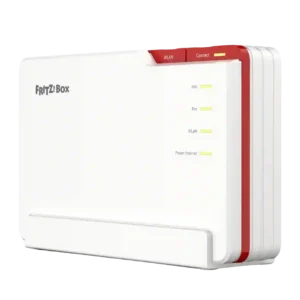
Overall: 4.0/5
Across tests, wireless performance is consistently strong, with especially good breadth of coverage and standout Wi-Fi 7 results even when peak close-range speed is not always class-leading.
Pros: telephony features, value for money
Cons: LAN port speed, wall-mounting support

Overall: 4.3/5
Wireless performance is generally fast and capable under load, although some competing routers reach higher peak speeds.
Pros: Wi-Fi speed, Ethernet port count
Cons: 10 GbE support, WAN port speed

Overall: 4.1/5
Wireless throughput is a standout strength, with excellent results in many tests and some variation across devices, distance and building layouts.
Pros: wireless performance, Wi-Fi speed
Cons: value for money, size and footprint

Overall: 4.5/5
Wireless performance is strong for a compact travel router, particularly at close and moderate range. It can rival larger home routers in some tests, though distance and missing 6GHz limit...
Pros: VPN client support, value for money
Cons: 6 GHz performance, USB storage sharing

Overall: 4.0/5
Wireless performance is solid for everyday home networking and competitive at this price, although premium models can be faster.
Pros: value for money, parental controls
Cons: subscription requirements, multi-gig Ethernet support

Overall: 4.2/5
Wireless throughput is competitive with far pricier mesh kits, especially near the main router. Premium models still have the edge in some demanding tests.
Pros: value for money, Wi-Fi speed
Cons: subscription requirements, long-range speed

Overall: 3.7/5
Wireless performance is generally strong, especially with newer clients. Older 5 GHz clients and longer distances can produce less impressive results.
Pros: Wi-Fi 7 support, Future upgrade readiness
Cons: Device compatibility

Overall: 4.1/5
Wireless performance is strong for a low-cost router, especially with nearby devices. Peak speeds and performance at greater distances can trail more capable models.
Pros: value for money, Wi-Fi speed
Cons: 6 GHz performance, subscription requirements

Overall: 3.7/5
Good 5 GHz throughput makes this a capable budget wireless router, although the slower 2.4 GHz band and distance-related drop-offs limit its versatility.
Pros: Overall satisfaction, value for money
Cons: USB port support, 160 MHz support
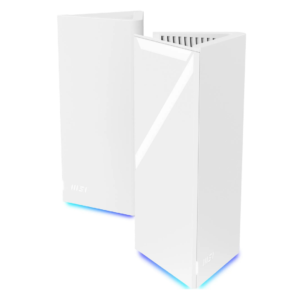
Overall: 4.3/5
Overall wireless results ranged from excellent multi-gigabit speeds to merely average throughput, with home layout and client type playing a major role.
Pros: value for money, design and appearance
Cons: node pairing ease, outdoor coverage

Overall: 4.3/5
Strong benchmark throughput and wired performance contrast with some reports of wireless instability and slower legacy-client speeds.
Pros: value for money, Wi-Fi speed
Cons: subscription requirements, WAN port speed
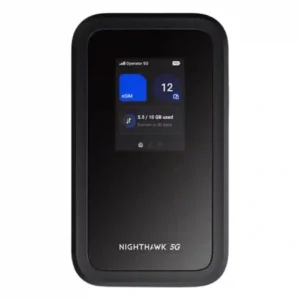
Overall: 4.1/5
Overall wireless performance is good for travel and daily work, but it is more impressive for reliability and flexibility than for maximum local Wi-Fi throughput.
Pros: eSIM flexibility, cellular connectivity
Cons: interface responsiveness, Ethernet port count