Best for connection reliability
D-Link Aquila Pro AI R95
5.0 attribute score
Highest scored product for this attribute based on supporting review evidence.

Highest scored product for this attribute based on supporting review evidence.
Balances the attribute score, supporting reviews, and overall product strength.
Has the broadest review evidence for this attribute.
Strongest overall product among items with scored evidence for this attribute.

Overall: 4.8/5
Connections remained consistent during testing, while MLO and heavy-use results showed a major improvement over older ISP equipment.
Pros: Wi-Fi 7 support, Wi-Fi speed

Overall: 4.2/5
Connections are generally dependable, including during active multi-device testing and movement between nodes.
Pros: value for money, Wi-Fi speed
Cons: subscription requirements, long-range speed
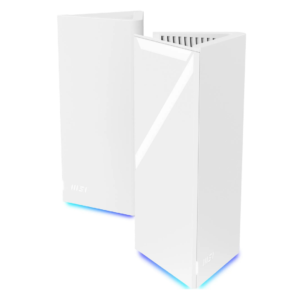
Overall: 4.3/5
Several reviewers described the finished network as dependable and easy to forget about once running.
Pros: value for money, design and appearance
Cons: node pairing ease, outdoor coverage

Overall: 4.5/5
Reliability is generally excellent, including a three-day stress test with no disconnects and many successful travel deployments. A few firmware/WISP quirks exist, but core connections are usually dependable.
Pros: VPN client support, value for money
Cons: 6 GHz performance, USB storage sharing

Overall: 4.1/5
Stable operation is a strength, including a week with roughly 80 connected devices and no reported drops.
Pros: wireless performance, Wi-Fi speed
Cons: value for money, size and footprint

Overall: 3.7/5
Connections generally stay online reliably, even where raw throughput is not especially fast.
Pros: setup ease, value for money
Cons: Ethernet port count, Wi-Fi speed
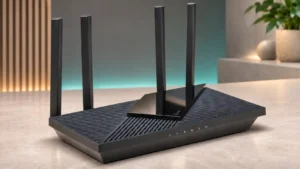
Overall: 4.0/5
Connections generally stay reliable across simultaneous streams and ordinary household devices.
Pros: value for money, parental controls
Cons: subscription requirements, multi-gig Ethernet support
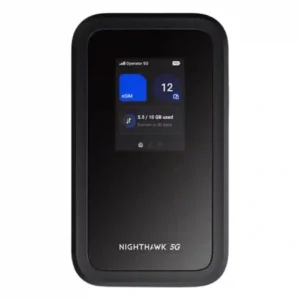
Overall: 4.1/5
Reliability is one of the M7’s best traits in decent coverage, with repeated reports of stable sessions, few drops, and dependable travel use.
Pros: eSIM flexibility, cellular connectivity
Cons: interface responsiveness, Ethernet port count

Overall: 4.4/5
Connections are generally robust, although one wireless test experienced an unexpected disconnection.
Pros: setup ease, configuration flexibility
Cons: Wi-Fi 7 support, USB storage sharing

Overall: 4.1/5
Many households enjoyed stable connections even with several active devices. Isolated reports of daily dropouts and reduced reliability at extreme distances temper that praise.
Pros: value for money, Wi-Fi speed
Cons: 6 GHz performance, subscription requirements

Overall: 4.3/5
Connections are often reliable across multiple devices, although some households have experienced disruptive dropouts.
Pros: value for money, Wi-Fi speed
Cons: subscription requirements, WAN port speed
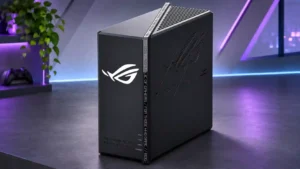
Overall: 4.3/5
Connections generally remain reliable during gaming and streaming, but some users encountered crashes and dropouts.
Pros: Wi-Fi speed, Ethernet port count
Cons: 10 GbE support, WAN port speed
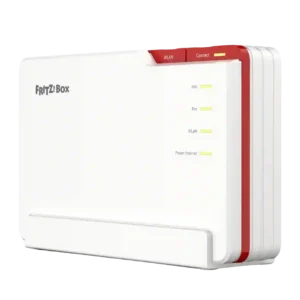
Overall: 4.0/5
Most testing found stable, reliable connectivity and smooth streaming, although one client in one test did lose its connection.
Pros: telephony features, value for money
Cons: LAN port speed, wall-mounting support