Best for whole-home coverage
D-Link Aquila Pro AI R95
5.0 attribute score
Highest scored product for this attribute based on supporting review evidence.

Highest scored product for this attribute based on supporting review evidence.
Balances the attribute score, supporting reviews, and overall product strength.
Has the broadest review evidence for this attribute.
Strongest overall product among items with scored evidence for this attribute.

Overall: 4.8/5
Mesh claims and real-world range testing both point to broad coverage, including difficult rooms and outdoor space.
Pros: Wi-Fi 7 support, Wi-Fi speed
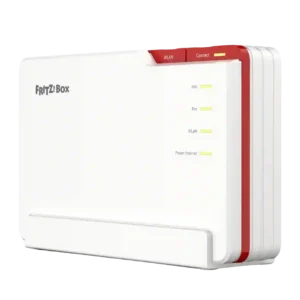
Overall: 4.0/5
Multi-room coverage is one of the strongest results, with performance holding up unusually well in bedrooms, dining rooms and other farther locations.
Pros: telephony features, value for money
Cons: LAN port speed, wall-mounting support
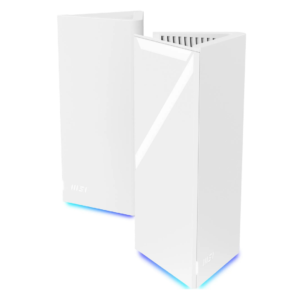
Overall: 4.3/5
Several reviewers achieved strong speeds throughout multi-room homes, but larger or more difficult properties may need another node.
Pros: value for money, design and appearance
Cons: node pairing ease, outdoor coverage

Overall: 3.7/5
Adding mesh nodes can provide solid coverage throughout a home without the complexity of multiple network names.
Pros: setup ease, value for money
Cons: Ethernet port count, Wi-Fi speed

Overall: 4.3/5
A single unit can cover many homes well, but attics, basements and other awkward spaces may still require additional access points.
Pros: Wi-Fi speed, Ethernet port count
Cons: 10 GbE support, WAN port speed

Overall: 4.2/5
A well-placed three-pack can blanket a house and even the garden. Two units may leave gaps in larger layouts.
Pros: value for money, Wi-Fi speed
Cons: subscription requirements, long-range speed

Overall: 4.4/5
One unit can cover an apartment or many multi-level homes, although larger layouts may need additional access points.
Pros: setup ease, configuration flexibility
Cons: Wi-Fi 7 support, USB storage sharing

Overall: 4.5/5
The router can cover a small home or apartment surprisingly well, and one downstairs test beat an existing router. It is still designed first for travel, not large-house blanket coverage.
Pros: VPN client support, value for money
Cons: 6 GHz performance, USB storage sharing

Overall: 4.1/5
A single centrally placed router can cover a modest home well. Larger properties and difficult layouts may need additional nodes.
Pros: value for money, Wi-Fi speed
Cons: 6 GHz performance, subscription requirements
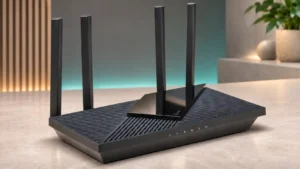
Overall: 4.0/5
A single unit can cover many typical homes, although very large houses may retain dead spots.
Pros: value for money, parental controls
Cons: subscription requirements, multi-gig Ethernet support
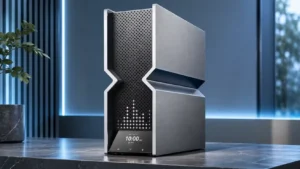
Overall: 4.1/5
A single unit can deliver strong speeds throughout a home, but some distant rooms or balconies may still benefit from mesh expansion.
Pros: wireless performance, Wi-Fi speed
Cons: value for money, size and footprint
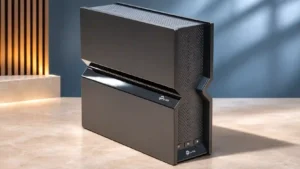
Overall: 4.3/5
A single unit can cover some homes well, but difficult floor plans can leave weak areas that need additional nodes.
Pros: value for money, Wi-Fi speed
Cons: subscription requirements, WAN port speed
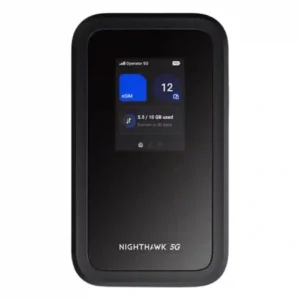
Overall: 4.1/5
The M7 is not designed to replace a conventional whole-home router; long-range household coverage is a clear limitation.
Pros: eSIM flexibility, cellular connectivity
Cons: interface responsiveness, Ethernet port count