Best for long-range speed
GL.iNet Flint 2 (GL-MT6000)
5.0 attribute score
Highest scored product for this attribute based on supporting review evidence.

Highest scored product for this attribute based on supporting review evidence.
Balances the attribute score, supporting reviews, and overall product strength.
Has the broadest review evidence for this attribute.
Strongest overall product among items with scored evidence for this attribute.

Overall: 4.4/5
Speed remains useful in distant rooms and compares favorably with newer routers on the 5GHz band.
Pros: setup ease, configuration flexibility
Cons: Wi-Fi 7 support, USB storage sharing

Overall: 4.8/5
Even in a difficult rear office, the R95 reached full broadband speed after the previous router could not provide a reliable signal.
Pros: Wi-Fi 7 support, Wi-Fi speed
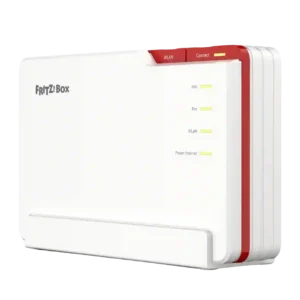
Overall: 4.0/5
One detailed home test found the router pulling ahead of rivals in distant rooms, making sustained speed away from the router a standout strength.
Pros: telephony features, value for money
Cons: LAN port speed, wall-mounting support
Overall: 4.1/5
High-band downloads can remain impressively fast at 80–100 feet, but distant bedrooms and lower floors sometimes see much slower speeds.
Pros: wireless performance, Wi-Fi speed
Cons: value for money, size and footprint
Overall: 4.3/5
Long-distance downloads can be excellent with AFC, but speeds fall sharply through severe obstructions and at the edge of coverage.
Pros: Wi-Fi speed, Ethernet port count
Cons: 10 GbE support, WAN port speed
Overall: 4.3/5
Performance at a distance varies considerably: open-space tests are impressive, while walls and awkward layouts can cause significant losses.
Pros: value for money, Wi-Fi speed
Cons: subscription requirements, WAN port speed
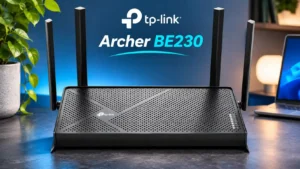
Overall: 4.1/5
Long-range results depend heavily on the surroundings and number of active clients. Some tests beat expensive routers, while other tests found pronounced speed loss.
Pros: value for money, Wi-Fi speed
Cons: 6 GHz performance, subscription requirements
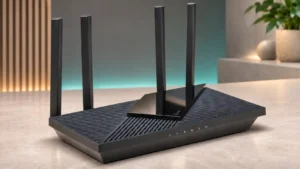
Overall: 4.0/5
Speeds fall with distance, sometimes sharply in far bedrooms; other tests found usable throughput even at substantial distances.
Pros: value for money, parental controls
Cons: subscription requirements, multi-gig Ethernet support
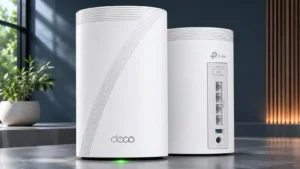
Overall: 4.2/5
Long-distance results vary considerably with the building and node placement. Some tests show sharp speed losses, while well-positioned three-node systems keep distant rooms fast.
Pros: value for money, Wi-Fi speed
Cons: subscription requirements, long-range speed
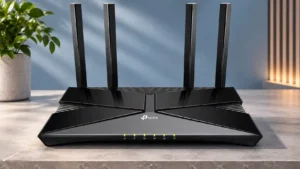
Overall: 3.7/5
Long-distance results vary substantially: some tests retained respectable throughput, while others found distant-room performance very poor.
Pros: Overall satisfaction, value for money
Cons: USB port support, 160 MHz support
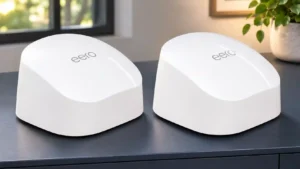
Overall: 3.7/5
Long-distance speeds vary considerably: some tests maintained useful throughput through several walls, while others saw speeds fall sharply or lose the signal.
Pros: setup ease, value for money
Cons: Ethernet port count, Wi-Fi speed

Overall: 4.5/5
Long-range speed is the tradeoff for the compact antennas. Performance can degrade quickly indoors and through obstructions, even though outdoor line-of-sight range can be impressive.
Pros: VPN client support, value for money
Cons: 6 GHz performance, USB storage sharing
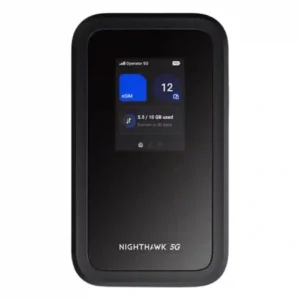
Overall: 4.1/5
At the most demanding far-range location, the Wi-Fi signal failed entirely, showing the limits of this compact hotspot.
Pros: eSIM flexibility, cellular connectivity
Cons: interface responsiveness, Ethernet port count