Best for 2.4 GHz performance
D-Link Aquila Pro AI R95
5.0 attribute score
Highest scored product for this attribute based on supporting review evidence.

Highest scored product for this attribute based on supporting review evidence.
Balances the attribute score, supporting reviews, and overall product strength.
Has the broadest review evidence for this attribute.
Strongest overall product among items with scored evidence for this attribute.

Overall: 4.8/5
The combined 2.4GHz/5GHz network immediately reached the full 150Mbps available in the office test.
Pros: Wi-Fi 7 support, Wi-Fi speed

Overall: 3.7/5
The 2.4 GHz radio can deliver respectable throughput, but devices stuck on that band may experience much slower speeds than on 5 GHz.
Pros: setup ease, value for money
Cons: Ethernet port count, Wi-Fi speed
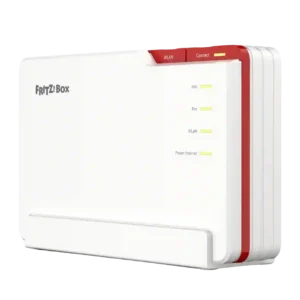
Overall: 4.0/5
The 2.4GHz band is viewed as solid for IoT and older devices, but it is also the one band that does not receive full Wi-Fi 7 support.
Pros: telephony features, value for money
Cons: LAN port speed, wall-mounting support

Overall: 4.4/5
The 2.4GHz band provides useful wall-penetrating coverage and improved speeds in distant rooms.
Pros: setup ease, configuration flexibility
Cons: Wi-Fi 7 support, USB storage sharing
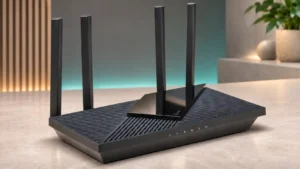
Overall: 4.0/5
The 2.4 GHz band excelled in one comparison, though another found it could use more speed.
Pros: value for money, parental controls
Cons: subscription requirements, multi-gig Ethernet support
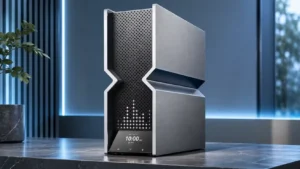
Overall: 4.1/5
The 2.4GHz band can provide excellent speeds throughout an apartment, but basement and outdoor results vary considerably.
Pros: wireless performance, Wi-Fi speed
Cons: value for money, size and footprint
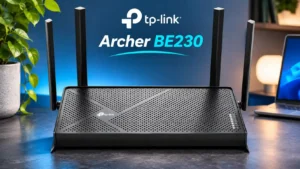
Overall: 4.1/5
Close-range 2.4 GHz throughput is frequently excellent for the price, and some tests found good wall penetration. Longer-distance results and isolated radio failures were less encouraging.
Pros: value for money, Wi-Fi speed
Cons: 6 GHz performance, subscription requirements

Overall: 4.3/5
2.4 GHz results are mixed: some tests show improvement, while others report weaker range and slower speeds than older models.
Pros: value for money, Wi-Fi speed
Cons: subscription requirements, WAN port speed

Overall: 4.5/5
The 2.4GHz band is serviceable rather than exceptional, with tests showing roughly expected travel-router speeds. It is useful for compatibility and range, while 5GHz is the performance band.
Pros: VPN client support, value for money
Cons: 6 GHz performance, USB storage sharing
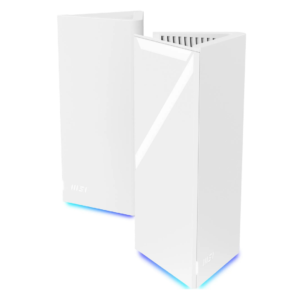
Overall: 4.3/5
The 2.4GHz band delivered respectable nearby throughput and useful coverage, although it weakened at longer distances.
Pros: value for money, design and appearance
Cons: node pairing ease, outdoor coverage
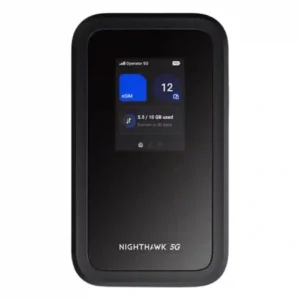
Overall: 4.1/5
The 2.4GHz band works, but it is slower and does not consistently add the range benefit users might expect.
Pros: eSIM flexibility, cellular connectivity
Cons: interface responsiveness, Ethernet port count
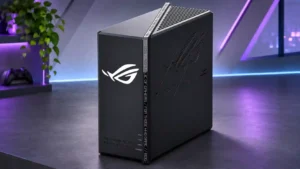
Overall: 4.3/5
The 2.4GHz band is a recurring weakness, especially at longer distances, despite acceptable coverage in some installations.
Pros: Wi-Fi speed, Ethernet port count
Cons: 10 GbE support, WAN port speed

Overall: 4.2/5
The 2.4 GHz band is a weak spot compared with competing mesh systems, particularly at a distance.
Pros: value for money, Wi-Fi speed
Cons: subscription requirements, long-range speed