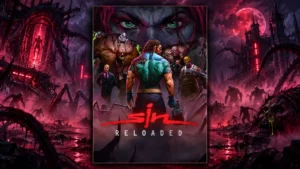
Set pieces, optional objectives, alternate approaches, and seamless progression give missions more texture than a typical linear retro shooter.
Pros: remake/remaster quality, overall quality
Cons: level design, map and navigation design

Set pieces, optional objectives, alternate approaches, and seamless progression give missions more texture than a typical linear retro shooter.
Pros: remake/remaster quality, overall quality
Cons: level design, map and navigation design
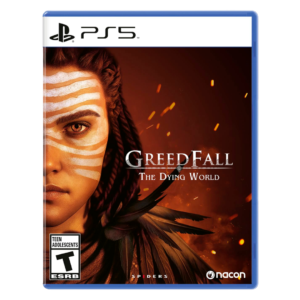
Talents and role-playing skills can open genuinely different ways through missions, rewarding diplomacy, stealth, mechanics, or direct confrontation.
Pros: narrative quality, side character depth
Cons: combat system, polish

The Endless Vault objectives work especially well when they double as gameplay goals and narrative milestones, giving progression a clear structure.
Pros: core gameplay loop, difficulty balance
Cons: narrative quality, load times
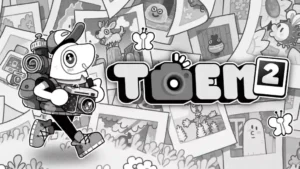
Side missions are compact and varied enough to keep the journey moving, mixing photography, traversal, and small environmental interactions without much downtime.
Pros: game length, gameplay mechanics
Cons: innovation, difficulty balance
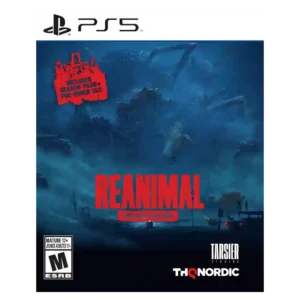
Set-piece and mission design are a consistent strength, with chase sequences, staged horror moments, and choreographed encounters repeatedly praised.
Pros: narrative quality, atmosphere
Cons: puzzle design, fun factor
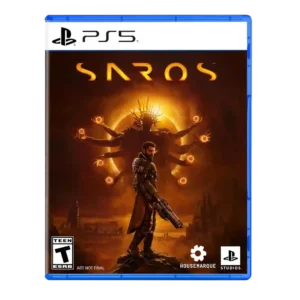
Optional challenge-space design was praised as brutal but rewarding.
Pros: narrative quality, combat system
Cons: side character depth, dialogue quality
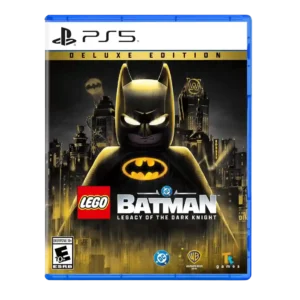
Mission design receives strong praise for compact plotting, length, structure, and hands-on fun across previews.
Pros: combat system, exploration quality
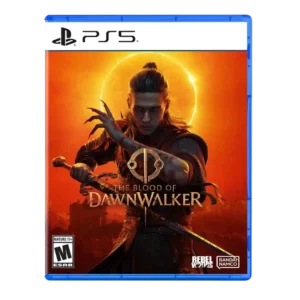
The strongest missions tie personal stakes, exploration, and meaningful choices together rather than functioning as isolated errands. Even familiar objectives can gain weight from their consequences.
Pros: combat system, fun factor
Cons: content variety, polish
Objectives help break up management-heavy menu work by regularly putting the player back behind the wheel.
Pros: open-world design, fun factor
Cons: AI behavior, polish
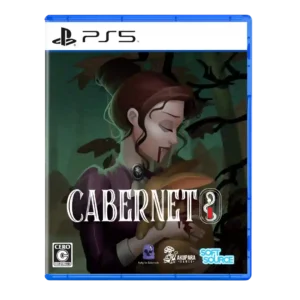
Mission structure received positive support from one review that highlighted varied tasks and fresh, engaging gameplay.
Pros: narrative quality, voice acting
Cons: bug frequency, menu usability
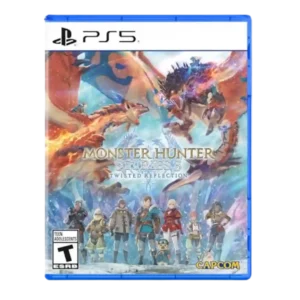
Companion-focused missions are much more successful than routine errands, often feeling like enjoyable character episodes with worthwhile rewards.
Pros: combat system, narrative quality
Cons: difficulty balance, grind level

Reviewers respond very positively to the mission design, describing it as a notable strength of the overall experience.
Pros: narrative quality, fun factor
Cons: grind level, learning curve
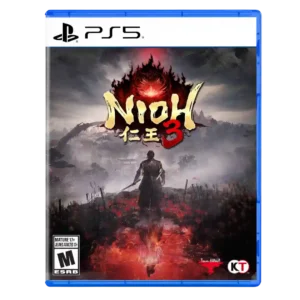
Mission and Crucible design were viewed positively, with reviewers noting more open paths, pressure-test encounters, and dungeon-like challenge.
Pros: combat system, open-world design
Cons: narrative quality, performance optimization
Dramatic encounters and multi-stage operations create some of the game’s tensest moments. They are memorable and well constructed, though several reviewers wished there were more of them.
Pros: narrative quality, writing quality
Cons: pacing, bug frequency

The compact mission structure moves quickly between puzzles, traversal, and ship sequences, though some objectives feel underused.
Pros: fun factor, puzzle design
Cons: difficulty balance, narrative quality
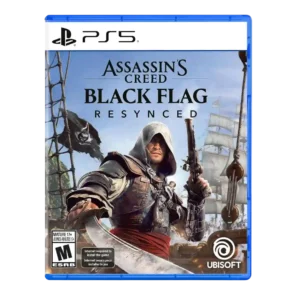
Mission design is mostly praised because tailing and eavesdropping no longer hard-fail instantly, though one reviewer worried the new approach weakens stealth tension.
Pros: graphics quality, remake/remaster quality
Cons: DLC value, multiplayer design
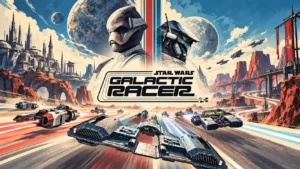
Field tests, mystery encounters, and curated scenarios provide worthwhile breaks from ordinary races. Scenarios are especially useful for learning builds, although some ramjet trials feel excessively demanding.
Pros: fun factor, overall quality
Cons: difficulty balance, pacing
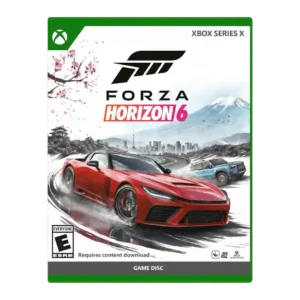
Races and showcases are generally enjoyable or impressive, but some previews say events feel familiar or need more final-game context.
Pros: graphics quality, driving mechanics
Cons: world interactivity, AI behavior
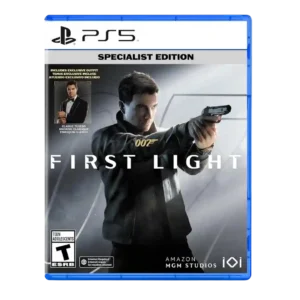
Mission design is generally praised for memorable settings, multiple approaches, and Bond fantasy, though one source calls some action-adventure structure generic.
Pros: stealth mechanics, combat system
Cons: pacing

The badge system gives freeform destruction a clear purpose and often encourages experimentation. A few opaque prerequisites and clues can stall progress.
Pros: fun factor, puzzle design
Cons: hint system, originality
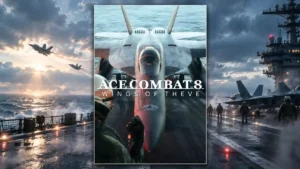
Mission design is a major strength, especially when objectives evolve mid-sortie and force quick changes in target priority, weapons, and positioning.
Pros: narrative quality, fun factor
Cons: dialogue quality, difficulty balance
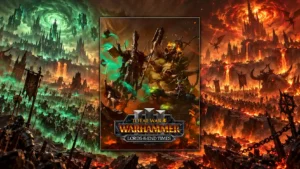
Lore-driven objectives, quest battles, and revised victory conditions give campaigns stronger direction than simple territorial expansion. A few objectives still feel repetitive or underdeveloped.
Pros: gameplay mechanics, fun factor
Cons: AI behavior, polish

Missions benefit from secondary objectives, branching structure and backtracking rather than relying only on straight-line fighting. Some sources find the structure rigid, but still appreciate the added purpose.
Pros: fun factor, faithfulness to franchise
Cons: combat system, game length
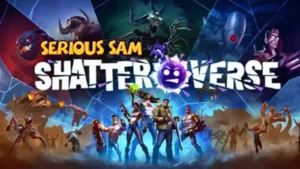
Optional challenge portals are quick, worthwhile detours that add a satisfying reason to step off the main route.
Pros: co-op experience, soundtrack quality
Cons: upgrade system, faithfulness to franchise
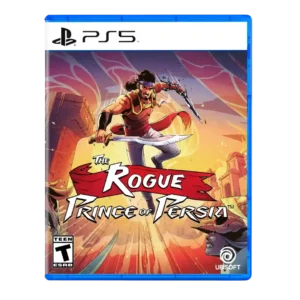
Mission design earned positive mention where objectives and clues gave players more agency during runs.
Pros: combat system, movement feel
Cons: narrative quality, difficulty balance
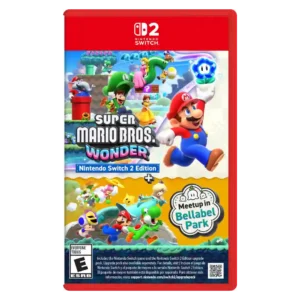
Training Camp’s short objective-based missions are widely praised for turning familiar stages into focused tests of speed, avoidance, combat, and execution. Some feel slight or tutorial-like, but the stronger challenges...
Pros: fun factor, multiplayer design
Cons: matchmaking quality, map and navigation design
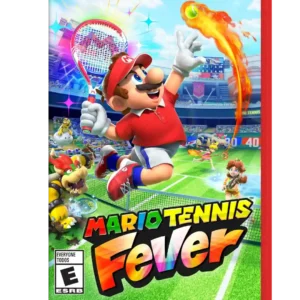
Trial Towers, boss battles, and special challenges provide many of the game's best structured tasks, while academy exercises and some minigames are much less inspired. Mission quality rises sharply once...
Pros: fun factor, gameplay mechanics
Cons: tutorial quality, onboarding experience
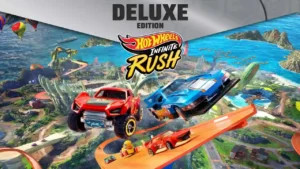
Side activities such as Daredevil races, destruction tasks, photography, and deliveries can be fun breaks from standard racing. Some mission structures frustrate when they gate progress or rely on awkward...
Pros: fun factor, open-world design
Cons: collectibles, originality
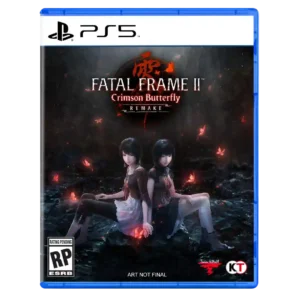
Optional side stories often add worthwhile character and lore context, though some feel redundant or less naturally integrated than the main path.
Pros: remake/remaster quality, horror tension
Cons: combat system, frame rate stability

The strongest missions pair cinematic set pieces with character drama, while routine arena encounters and scripted sequences reduce player freedom.
Pros: fun factor, combat system
Cons: originality, level design
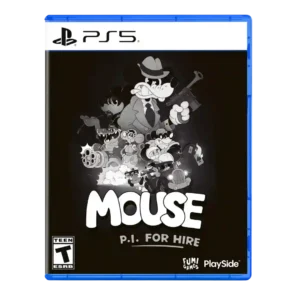
The three intertwined cases provide memorable locations and a steady sense of forward movement. Some missions feel overly convenient or leave little room for substantial side stories.
Pros: fun factor, art direction
Cons: weapon balance, gameplay mechanics

Creative clues and absurd objectives are a major strength, yet some instructions are vague enough to turn the final search into guesswork.
Pros: fun factor, art direction
Cons: difficulty balance, hint system
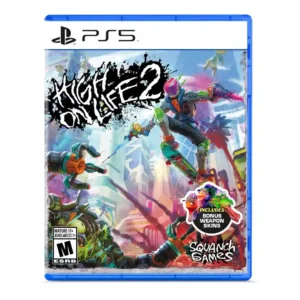
Murder mysteries, conventions, strange infiltrations, and other high-concept detours make many missions memorable. A few still feel checklist-like, shallow, or overextended.
Pros: writing quality, fun factor
Cons: bug frequency, combat system
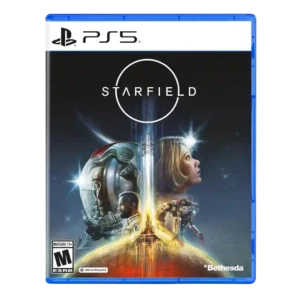
Mission design is uneven: some missions and factions are memorable, while others feel short, repetitive, or underdeveloped.
Pros: fun factor, combat system
Cons: bug frequency, narrative quality
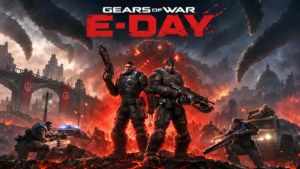
Scripted missions and major set pieces are usually stronger than side objectives. Optional tasks can add useful rewards, but many boil down to familiar defensive fights.
Pros: combat system, graphics quality
Cons: exploration quality, mission design
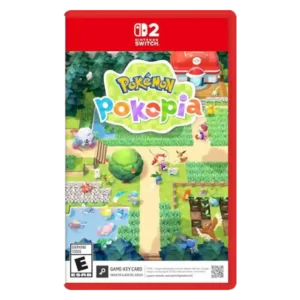
Mission design was useful for structure but sometimes too guided, rail-like, or busywork-heavy.
Pros: core gameplay loop, content variety
Cons: pacing, menu usability
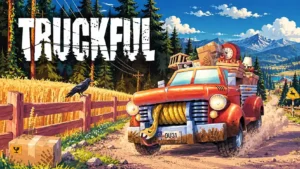
Cargo conditions give deliveries interesting constraints, but strict bonuses can encourage repeated resets. Allowing only one active mission also prevents combining errands efficiently.
Pros: core gameplay loop, overall quality
Cons: map and navigation design, driving mechanics
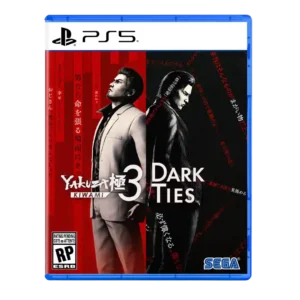
Individual tasks range from charming household activities and varied Damage Control jobs to menial fetch work that feels like filler.
Pros: fun factor, combat system
Cons: pacing, battle mode quality
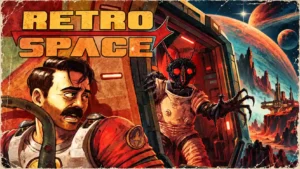
Objectives often trust you to find your own route and solution, which can be rewarding for patient players. Vague instructions, tightly clustered progression, and occasional single-solution tasks can frustrate that...
Pros: overall quality, art direction
Cons: map and navigation design, difficulty balance
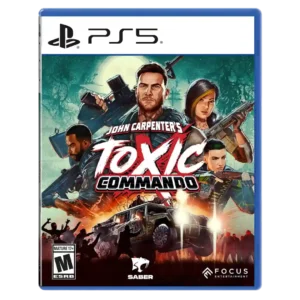
Mission design can produce excellent set-piece defenses and a few clever objectives, but some reviewers criticize the broader structure as overlong, predictable, or poorly arranged.
Pros: fun factor, combat system
Cons: mission variety, progression system
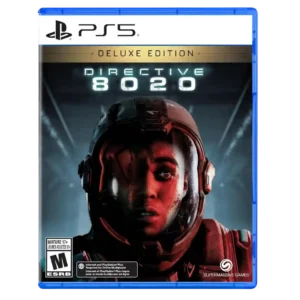
Mission design was mixed, ranging from time-flying engagement in one preview to a simple, dull objective in another.
Pros: horror tension, gameplay mechanics
Cons: AI behavior, polish
Missions are strongest when they ask you to connect clues or make meaningful choices about where to spend your limited time. Too many still fall into a repetitive pattern of...
Pros: combat system, originality
Cons: overall quality, narrative quality
The episodic structure produces some memorable setups, yet late-game missions and repeated routes can become exhausting. Several reviewers specifically dislike the gauntlets and reused material near the end.
Pros: fun factor, originality
Cons: combat system, narrative quality
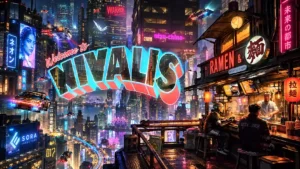
Personal missions weave residents into each other's stories and encourage trips beyond the restaurant. Others find the quest load overwhelming or the actual tasks too close to fetch quests and...
Pros: overall quality, shopkeeping system
Cons: performance optimization, pacing
Freight Hauler turns wagon movements into an appealing planning exercise. Broken paths, inaccessible cars, and thin job structure can spoil that promise.
Pros: content variety, accessibility options
Cons: value for money, performance optimization
The spaces are stronger than the objectives inside them. Several missions boil down to small errands or Quartz collection, leaving the heists less memorable than the routes used to reach...
Pros: fun factor, stealth mechanics
Cons: polish, combat system
Some objectives and memory sequences become repetitive or over-structured, but stronger character-focused missions and timeline side quests can provide worthwhile payoffs.
Pros: fun factor, narrative quality
Cons: boss design, exploration quality
The mission structure is functional but not universally compelling; repeated objectives and spaces can make later runs feel more routine than fresh.
Pros: value for money, combat system
Cons: camera behavior, content variety
Daily news events add mystery and direction, but some announced occurrences can be frustratingly difficult to locate.
Pros: combat system, difficulty balance
Cons: progression system, bug frequency
The campaign is useful for learning and has interesting moments, but linear objectives, forced sequences, and occasional restart-heavy mistakes can frustrate.
Pros: user interface design, gameplay mechanics
Cons: learning curve, tutorial quality