If you want better originality
Choose Silent Hill f. It scores 5.0 vs 3.7 for originality, with a 3.9 overall score.

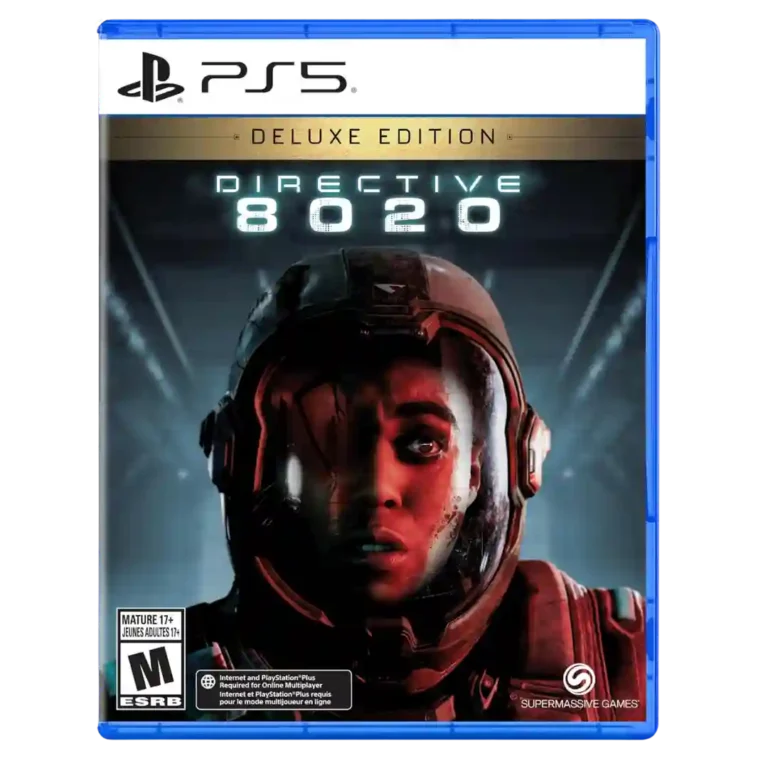
Choose Directive 8020 if you want cinematic sci-fi horror with branching choices, strong visuals, rewindable outcomes, and group play. Skip it if predictable stealth AI, uneven tension, or preview-build polish concerns would ruin the experience.
Best for players who enjoy cinematic horror, branching consequences, completionist replaying, and group decision-making. It especially suits Supermassive fans who want the formula pushed closer to survival horror.
Not for players who need dynamic stealth AI, polished action systems, or constant scares. The preview evidence suggests the game may frustrate anyone sensitive to predictable patrols or uneven demo pacing.
Directive 8020 earns its strongest praise as a cinematic sci-fi horror evolution of Supermassive’s formula, with reviewers highlighting its tense spaceship atmosphere, sharp visuals, branching consequence systems, and a Turning Points rewind feature that makes experimentation and completionist replaying easier. The best previews found the stealth, exploration, and direct-control moments exciting because player action now matters alongside dialogue choices. The tradeoff is consistency: several reviewers felt the demo’s stealth could be dull, predictable, or less scary than intended, with enemy behavior and animation sometimes undercutting the threat. Overall, the evidence points to a promising story-driven horror game whose biggest risks sit in execution, not concept.
Compared with other Video Games, this product is above average in user interface design, pacing, camera behavior, near average in stealth mechanics, horror tension, below average in combat system, animation quality, learning curve.
| Attribute | This product | Category average | Difference |
|---|---|---|---|
| combat system | 2.0 | 4.0 | -2.0 |
| animation quality | 2.0 | 4.0 | -2.0 |
| user interface design | 4.7 | 3.3 | +1.4 |
| learning curve | 2.1 | 3.5 | -1.4 |
| pacing | 4.4 | 3.1 | +1.3 |
| camera behavior | 4.2 | 2.9 | +1.3 |
| side character depth | 2.4 | 3.6 | -1.2 |
| difficulty balance | 4.6 | 3.3 | +1.2 |
Choose Silent Hill f. It scores 5.0 vs 3.7 for originality, with a 3.9 overall score.
Choose 007 First Light. It scores 5.0 vs 3.5 for level design, with a 4.2 overall score.
Choose Death Stranding 2: On the Beach. It scores 5.0 vs 2.0 for animation quality, with a 4.3 overall score.
Choose Saros. It scores 4.9 vs 3.2 for fun factor, with a 4.3 overall score.
Products reviewers directly compared with this model, grouped into quick takeaways.
The strongest praise centers on its tense sci-fi atmosphere, strong visuals, branching decisions, and the way direct-control horror moments build on Supermassive’s cinematic formula.
Opinions are mixed. Some reviewers found stealth tense and effective, while others criticized predictable patrols, dull objectives, and low tension in the demo.
Most evidence says yes. Reviewers liked that the rewind-style system can help players revisit major decisions, fill out timelines, and explore outcomes without replaying the entire game.
Visuals are one of the clearest strengths. Reviewers praised the game’s overall look, skin textures, lighting, facial animation, and believable environments.
Several previews found it frightening, especially in vents, alien encounters, and paranoid impostor moments. A few others felt the demo’s jump scares and stealth sections were underwhelming.
Players who need polished, dynamic stealth may want to be cautious, because multiple previews raised concerns about predictable AI, uneven tension, and limited demo polish.
These are a few of the reviews included in our analysis.

Best for fluid traversal, rewarding exploration, striking art, and forgiving quality-of-life features. Skip it if you want deep combat, radical genre innovation, or consistently demanding bosses.
Pros: difficulty balance, boss design
Cons: innovation, sandbox freedom

Good if you want fast, tactical roguelite combat with huge progression depth, striking art, and standout music. Skip it if repetition, resource micromanagement, or a less emotionally satisfying sequel story...
Pros: combat system, progression system
Cons: originality

Good if you want a beautiful, demanding survival sandbox built around exploration, building, progression, and memorable co-op. Skip it if long resource runs, harsh death recovery, and deliberate pacing sound...
Pros: town-building system, exploration quality
Cons: grind level, fast travel convenience

Best for joyful destruction, dense exploration, and a charming DK-Pauline adventure. Skip it if camera quirks, frame-rate dips, easy bosses, or premium Switch 2 pricing are dealbreakers.
Pros: fun factor, world interactivity
Cons: frame rate stability, boss design