#1
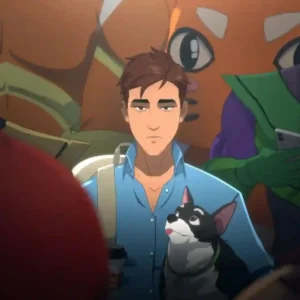
Mission design is strongest when dispatch calls reflect ongoing character drama and story events. Reviewers praise how field work, team morale, and narrative stakes feed into one another.
Pros: choice impact, narrative quality
Cons: gameplay mechanics, QTE design
#2
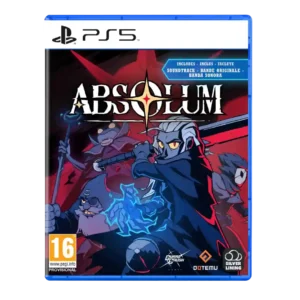
Mission structure worked best when story events and run transitions surfaced naturally during exploration.
Pros: combat system, replay value
Cons: narrative quality, grind level
#3

Major missions and tentpole scenarios were praised for puzzle-box structure, role-play opportunities, and varied routes.
Pros: combat system, progression system
Cons: pacing, AI behavior
#4

Mission design was praised where routes to hidden goals encouraged planning rather than simple objective chasing.
Pros: fun factor, world interactivity
Cons: frame rate stability, boss design
#5
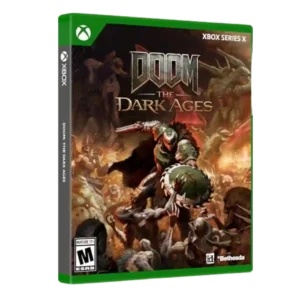
Mission design was praised in the supporting review for making the core demon-slaying missions feel exciting.
Pros: combat system, weapon balance
Cons: flying mechanics, narrative quality
#6

Mission design earns positive evidence where missions give players reasons to revisit areas and make NPC discoveries feel more purposeful.
Pros: difficulty balance, art direction
Cons: economy and resource balance, checkpoint system
#7
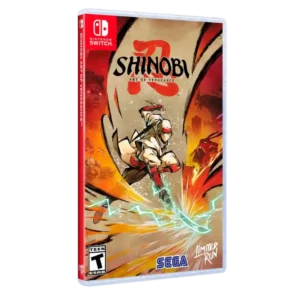
Mission design is praised through comments about well-crafted stages that mix platforming, combat, puzzles, and optional routes.
Pros: combat system, faithfulness to franchise
Cons: narrative quality, frame rate stability
#8

Mission design is generally positive for diverse objectives and strong campaign structure, though some side mission design is criticized elsewhere.
Pros: combat system, narrative quality
Cons: grind level, innovation
#9

Mission design evidence praised the range of stakes and activities, especially when missions kept the adventure moving.
Pros: combat system, exploration quality
Cons: graphics quality, voice acting
#10

Optional stage objectives give familiar routes fresh goals and reward refined execution. Most enjoy chasing better ranks, but some see redundant checklists that add less depth than they initially appear...
Pros: overall quality, difficulty balance
Cons: frame rate stability, performance optimization
#11

Road Trip and challenge design were often praised for fast, varied encounters, but dissenting reviews found Road Trip dull, repetitive, or chore-like.
Pros: battle mode quality, content variety
Cons: learning curve, competitive balance
#12

Missions are often a highlight because they create risk-reward decisions and useful gear opportunities. Some players find them excellent and purposeful, while one detailed take dismisses many as busywork.
Pros: fun factor, battle mode quality
Cons: multiplayer design, replay value
#13

One review praised quests and trials for giving specific match goals with worthwhile rewards.
Pros: sound design, combat system
Cons: voice acting, menu usability
#14
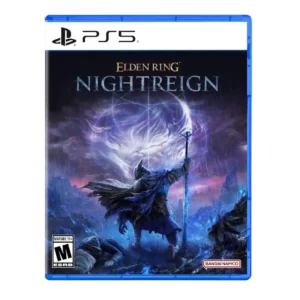
Mission design was praised for demanding mastery on the fly rather than slow, methodical FromSoftware play.
Pros: co-op experience, fun factor
Cons: difficulty balance, social features
#15

Episodes of South Town and related missions are often praised as fun or useful for learning systems, though some special conditions are criticized as frustrating.
Pros: content variety, gameplay mechanics
Cons: learning curve, user interface design
#16

Mission design was split between admiration for naturalistic quest feel and criticism that many leads still became point-to-point errands.
Pros: narrative quality, exploration quality
Cons: combat system, AI behavior
#17
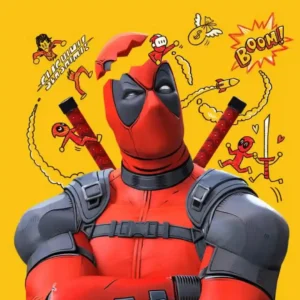
The villain-hunt structure provides entertaining themed missions and set pieces, but some stages fall into straight-line room clearing, fetch quests, or long dialogue stops between action.
Pros: combat system, voice acting
Cons: pacing, boss design
#18

Mission quality varies from routine fetch work to tense, clever scenarios that use anomalies and faction conflict well. The best missions create memorable situations; the weakest feel dated.
Pros: immersion, fun factor
Cons: bug frequency, AI behavior
#19

Main mission design was mixed: reviewers praised varied scenarios, but one criticized a required sequence for lacking an alternate path.
Pros: combat system, narrative quality
Cons: save system reliability, learning curve
#20
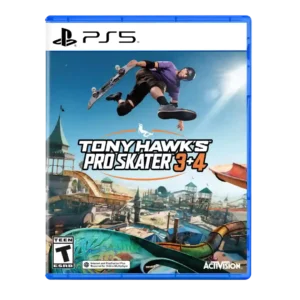
Mission and goal design was divisive: some praised the streamlined objectives and new goals, while THPS4 fans missed NPC missions, original goals, and structure.
Pros: level design, remake/remaster quality
Cons: soundtrack quality, mission design
#21

Mission design was mixed to negative, with story missions praised but many objectives criticized as repetitive, short, or non-bespoke.
Pros: combat system, character roster
Cons: level design, mission design
#22

Creative assassination methods and flexible objectives are rewarding, but many tasks boil down to familiar sabotage, document collection, and killing. Propaganda challenges sharply divide players over whether timed action complements...
Pros: overall quality, level design
Cons: innovation, mission design
#23

Contracts give each run a concrete purpose and feed faction progression, but several missions are vague, repetitive, or frustrating. The one-active-contract restriction is a frequent complaint because it can make...
Pros: fun factor, loot system
Cons: difficulty balance, quest design
#24

Mission design is mixed: reviewers liked forward momentum and variety, but some criticized forced backtracking or insufficient challenge.
Pros: narrative quality, combat system
Cons: difficulty balance, weapon balance
#25

Main mission design ranges from carefully crafted to fetch-quest heavy, with reviewers split between praise for structure and frustration with repetition.
Pros: movement feel, loot system
Cons: performance optimization, narrative quality
#26

Mission quality swings widely. A handful of tightly built or memorable missions earn strong praise, but many campaign objectives are criticized as repetitive shooting galleries, Warzone-style filler, or poorly structured...
Pros: multiplayer design, level design
Cons: fun factor, narrative quality
#27
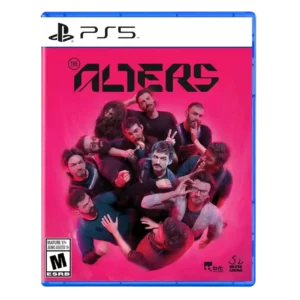
Mission design received mixed evidence because one reviewer felt survival objectives and narrative goals could work against each other.
Pros: narrative quality, replay value
Cons: difficulty balance, pacing
#28
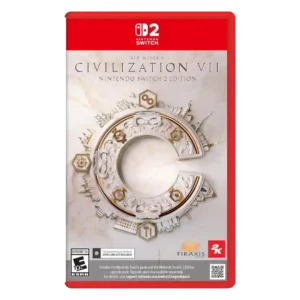
Legacy paths, quests, and victory objectives were seen as useful guidance by some, but others found certain paths rigid, repetitive, or unevenly designed.
Pros: fun factor, economy and resource balance
Cons: progression system, user interface design
#29
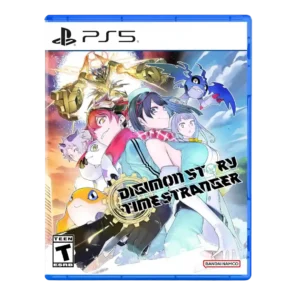
Mission design was mixed to negative: side missions often felt basic or fetch-like, though some reviewers liked their world flavor and progression rewards.
Pros: progression system, narrative quality
Cons: pacing, content variety
#30
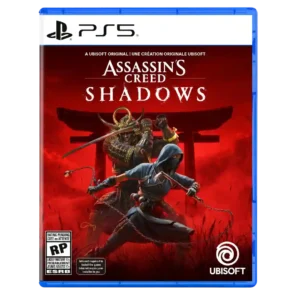
Mission design is mixed: the moment-to-moment action entertains, but several reviewers called setups bland, thin, or repetitive.
Pros: stealth mechanics, graphics quality
Cons: narrative quality, mission variety
#31
Guidance through missions is mixed: some reviewers liked clearer, more instructive objectives, while others found mission trees rigid, underbaked, or frustrating when progress could be lost.
Pros: gameplay mechanics, fun factor
Cons: learning curve, AI behavior
#32
One reviewer criticized the broader mission structure for lacking clear direction and goals.
Pros: co-op experience, puzzle design
Cons: controls responsiveness, replay value
#33

Mission design drew criticism when quests felt repetitive, fetchy, or like back-and-forth errands, though some standout missions remained.
Pros: combat system, narrative quality
Cons: difficulty balance, enemy variety
#34
Mission design was criticized for predictable navigation through repeated steps across the folktale chapters.
Pros: soundtrack quality, narrative quality
Cons: combat system, enemy variety
#35

Mission design was criticized for unskippable walk-and-talks, forced walking, and control loss, with only a few later mission moments landing better.
Pros: combat system, narrative quality
Cons: difficulty balance, endgame content
#36
Mission design is a weak spot in the harsher reviews, with complaints that missions can feel like formalities or use puzzling reset structures.
Pros: combat system, boss design
Cons: narrative quality, difficulty balance
#37

mission design was one of the weakest areas, often described as dull, passive, or dated.
Pros: multiplayer design, sound design
Cons: narrative quality, map and navigation design
